AFRICOM on the Chopping Block: What a Pentagon Rethink Means for Africa
A move to sideline AFRICOM would be read as US disengagement, opening the door for China and Russia to expand their influence across the continent.

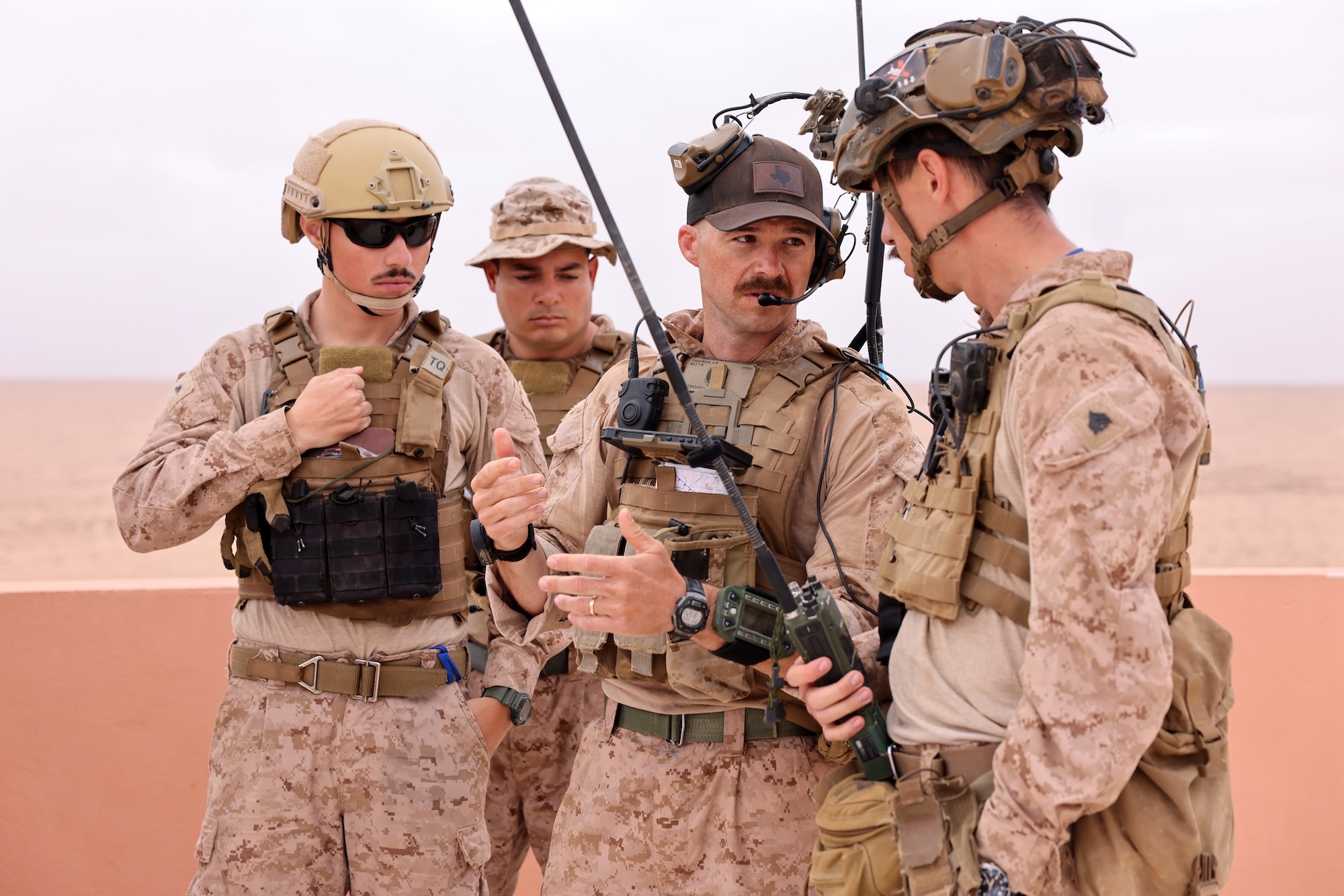
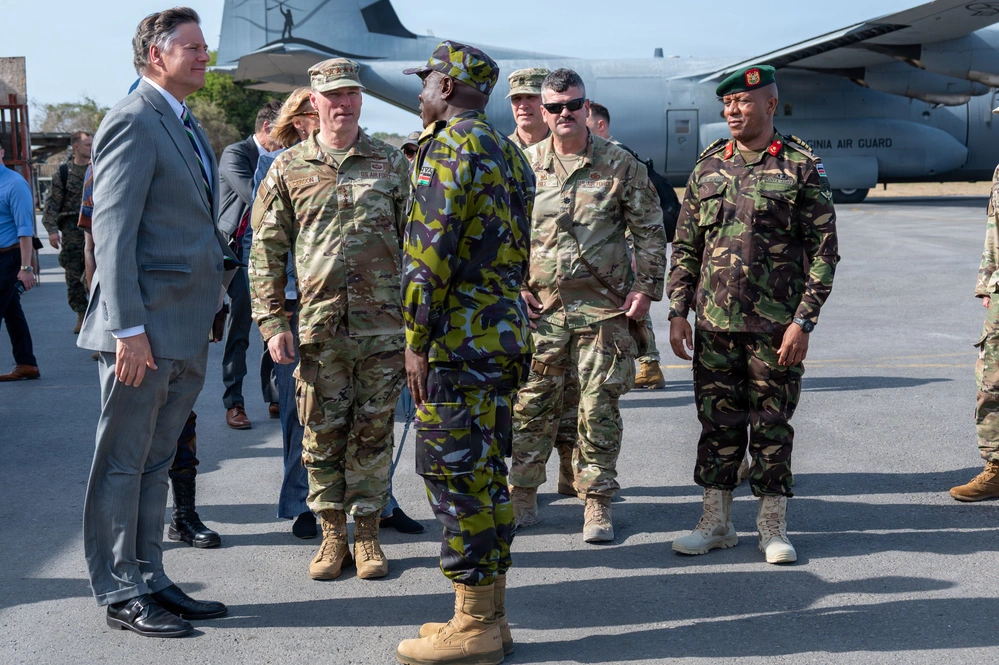
The Pentagon’s consideration of dissolving US Africa Command (AFRICOM) and potentially folding it into a proposed “International Command” would signal a major shift in Washington’s post-9/11 strategic engagement with the continent.
Strip away the bureaucratic euphemisms about “consolidation” and “efficiency,” and the message received in African capitals is unmistakable: US attention is receding at the very moment China and Russia are intensifying their engagement.
Security Without Growth Is an Illusion
I spent nearly a decade advancing sustainable economic development in sub-Saharan Africa as chairman of BOMA.ngo, implementing poverty graduation programs that helped families move from $0.50 to $4 per day incomes.
That experience taught me a fundamental truth: security in Africa cannot be achieved until its economies create jobs as fast as its populations are growing. They are not. Youth unemployment across the continent ranges from 25 to 35 percent, creating a combustible mix of desperation and instability that no amount of military spending can extinguish.
If I had my druthers, I’d reallocate billions from AFRICOM’s $450 million annual budget to proven poverty graduation programs that cost roughly $1,500 per household to lift families permanently above the poverty line.
The math is brutal: AFRICOM’s budget could fund poverty graduation programs for roughly 300,000 households annually — 1.5 million people — instead of funding counterterrorism operations that treat symptoms rather than causes.
But that’s not what appears to be happening. The Trump administration defunded USAID’s poverty graduation programs in Africa within weeks of taking office in 2025.
Now, with AFRICOM’s future under review, Washington risks signaling not a pivot from bullets to development but a broader retreat from the continent altogether.
The New Scramble for Africa
Nature abhors a vacuum. So does geopolitics.
China has spent the past two decades building an infrastructure empire across Africa through Belt and Road Initiative projects totaling more than $1 trillion.
Beijing now operates the Commercial Joint Venture Port in Djibouti — directly adjacent to America’s Camp Lemonnier — and has secured access to ports from Tanzania to Ghana.
Chinese construction firms have built roads, railways, and power grids across 46 African nations, creating dependencies that translate directly into political influence.
When the African Union needed a new headquarters, China built it in Addis Ababa. Then we discovered the building was bugged.
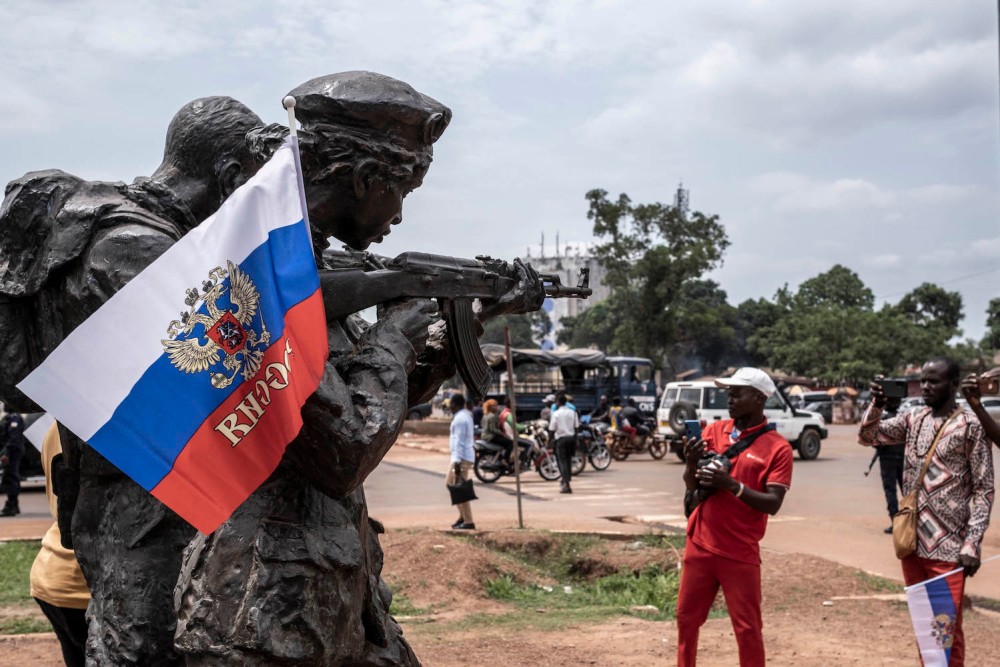
Russia’s approach is more surgical and more sinister. Wagner Group mercenaries — now rebranded as part of various African military formations — have entrenched themselves in Mali, Burkina Faso, the Central African Republic, Libya, and Sudan.
Moscow trades military “security assistance” for mineral rights to gold, diamonds, and strategic resources, propping up juntas while gutting democratic institutions.
The pattern is consistent: a coup occurs, Wagner arrives, elections are indefinitely suspended, and Russia gains another autocratic client state.
Niger exemplifies the collapse. In July 2023, mutinous soldiers overthrew President Mohamed Bazoum — one of the Sahel’s last democratically elected leaders — and immediately expelled French forces and terminated the US drone base agreement.
Russian flags appeared in Niamey’s streets within days. Wagner operatives arrived within weeks. Another democratic domino had fallen.
Spheres of Influence: Xi, Putin, and Trump’s Transactional Calculus
Xi Jinping’s “Community of Shared Future” rhetoric masks a straightforward colonial extractive model: Chinese infrastructure loans that create debt dependencies, followed by resource concessions when repayment fails.
The playbook worked in Sri Lanka (Hambantota Port) and Pakistan (Gwadar) and is now being replicated across Africa.
Beijing doesn’t care about democracy, human rights, or governance — which makes it an attractive partner for autocrats.
Putin’s model is even simpler: exploit chaos, sell weapons, extract resources, and ignore atrocities.
From the genocide in Darfur to the humanitarian catastrophe in Central African Republic, Russian mercenaries operate in Africa’s most broken states precisely because those states can’t impose accountability.
Moscow’s sphere of influence consists of failed states it prevents from recovering.
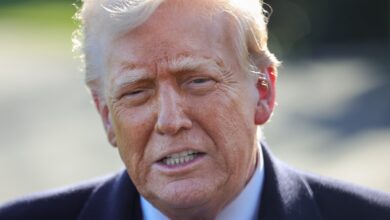
Donald Trump’s transactional worldview treats Africa as a money pit with no strategic value. His “America First” doctrine translates to “Africa Last.”
The possible dissolution of AFRICOM would send an unambiguous signal: the United States will not compete for influence on a continent with 1.4 billion people, the world’s youngest median age (19 years), and a projected population of 2.5 billion by 2050. This is strategic malpractice.
Europe — fractured by internal divisions, grappling with its own far-right movements, and lacking unified leadership — cannot fill the void.
France’s humiliating ejection from the Sahel, Germany’s modest security partnerships, and Britain’s post-Brexit irrelevance continue to erode European influence.
The EU has money but no strategy; Africa needs strategy, not just cash.
The Autocratic Future
Here’s what happens next: China builds infrastructure that creates dependencies. Russia provides military “solutions” that entrench autocracies. Europe drafts position papers. And African democracies — already struggling against coups, corruption, and climate disasters — continue their slide toward authoritarianism.
Between 2020 and 2024, military coups succeeded in Mali, Guinea, Burkina Faso, Niger, Gabon, and Sudan. Each shifted toward Moscow or Beijing. None restored democratic governance. The trend line is unmistakable.
America’s apparent willingness to step back from Africa is not just a failure of strategic vision — it’s a betrayal of the continent’s democratic movements and a gift to our autocratic adversaries.
We’re not choosing between military and development spending. We’re choosing inaction while China and Russia carve up the world’s fastest-growing continent.

Perry Boyle is the CEO of MITS Capital LLC, a defense technology group that invests in the defense of democracy in Ukraine and Europe. It sponsors MITS Accelerator, MITS Lightning Fund, and MITS Industries.
Prior to founding MITS Capital, Mr. Boyle served as Chairman of BOMA.Ngo, the largest African provider of poverty graduation programs.
The views and opinions expressed here are those of the author and do not necessarily reflect the editorial position of The Defense Post.
The Defense Post aims to publish a wide range of high-quality opinion and analysis from a diverse array of people – do you want to send us yours? Click here to submit an op-ed.