South Korea has started exporting a domestically developed engine for the K2 Black Panther main battle tank, ending long-standing reliance on German powerplants, United Press International reported.
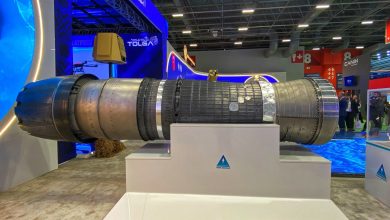
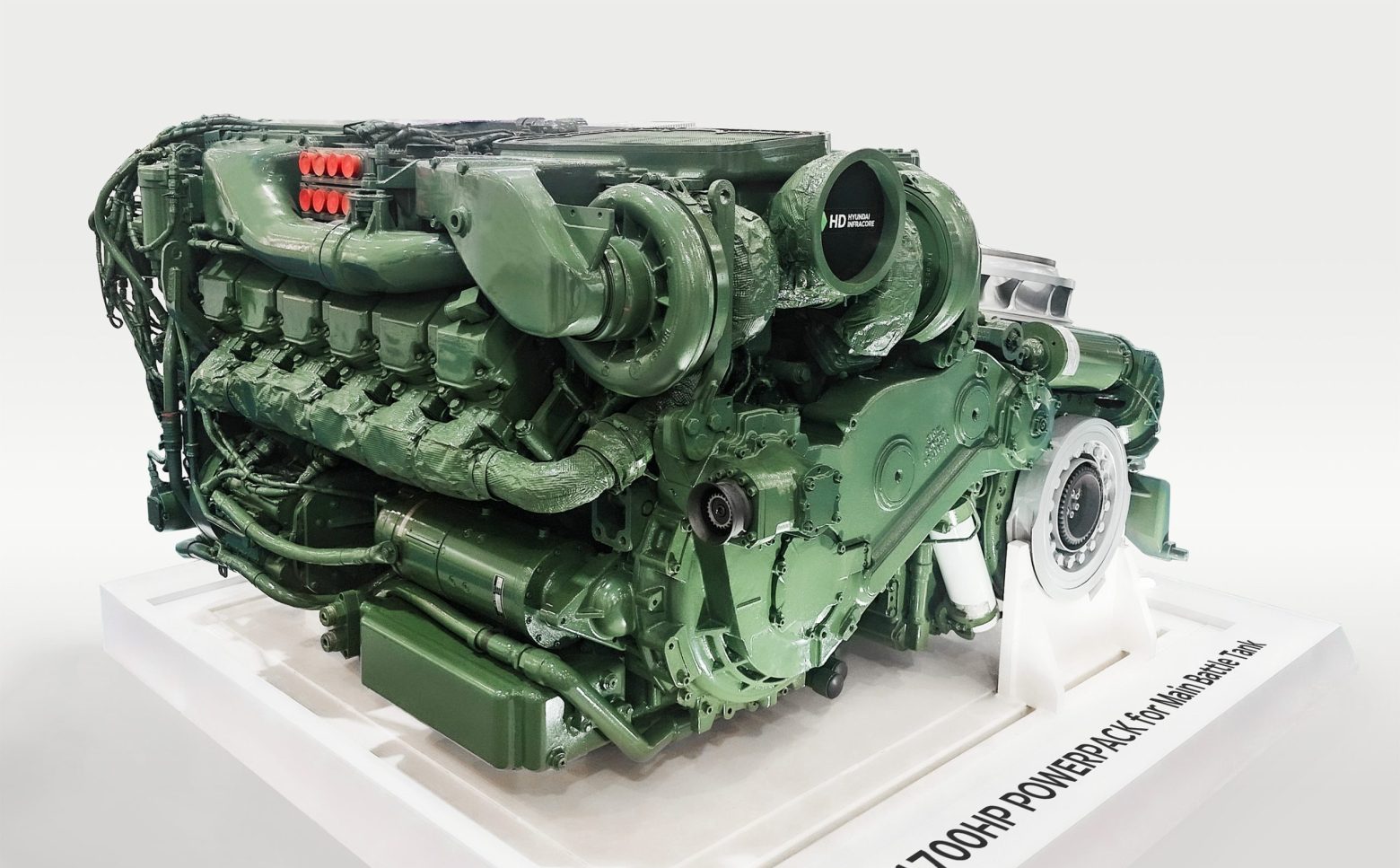
The engine, known as the DV27K, is a 1,500-horsepower diesel unit developed jointly by the Agency for Defense Development and HD Construction Equipment.
It replaces the German MTU MB873, which previously required Berlin’s approval for any export of K2 tanks.
With the new engine, South Korea can now sell K2 tanks abroad without third-party clearance, giving Seoul full authority over its armored vehicle exports.
Export clearance comes as HD Hyundai secured contracts to supply 116 engines for Poland’s second batch of K2 tanks and to serve as the sole engine provider for Turkey’s next-generation Altay tank.
Additional interest has been reported from Latin American and Middle Eastern countries.
DV27K Engine
Development of the DV27K has faced multiple technical challenges.
Early prototypes met power targets but had issues with sustained output, shock resistance, and performance under extreme temperatures.
Engineers carried out extensive redesigns, endurance testing, and environmental trials to ensure reliability.
The engine now maintains full performance in desert heat, extreme cold, and high-vibration conditions.
The DV27K engine enables the 56-ton K2 tank to reach speeds of up to 70 kilometers (43 miles) per hour.
Its design uses exhaust gases to compress air in the cylinder, improving combustion efficiency and overall power output.

K2 Black Panther
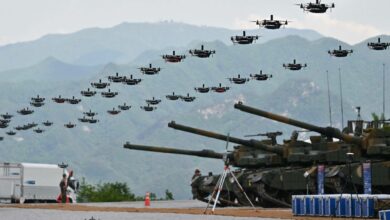
The K2 Black Panther is South Korea’s most advanced main battle tank, combining firepower, mobility, and protection in a single platform.
Operated by a crew of three, it features a 120 mm smoothbore main gun with an automatic loader, along with coaxial and roof-mounted machine guns.
Its fire control system, which includes radar, laser rangefinders, and thermal optics, allows the crew to track and engage targets accurately even while moving.
Onboard networking and navigation systems support situational awareness and coordination with other units.