Europe faces its most complex security environment in decades. The threats are no longer just armies on borders but arrive in bits and bytes, in misleading headlines, and in unseen economic pressures.
In this landscape, nuclear weapons remain terrifyingly powerful. But are they still a credible shield for European security, or has the strategic ground beneath them shifted?
During the Cold War, nuclear deterrence rested on a grim but clear logic: identifiable adversaries, fixed red lines, and symmetrical power relations made the threat of catastrophic retaliation believable.
The certainty that escalation would trigger mutual destruction imposed restraint and produced predictability.
Today, however, Europe’s security environment bears little resemblance to that stable bipolar order.
Hybrid Threats Outpace Nuclear Deterrence
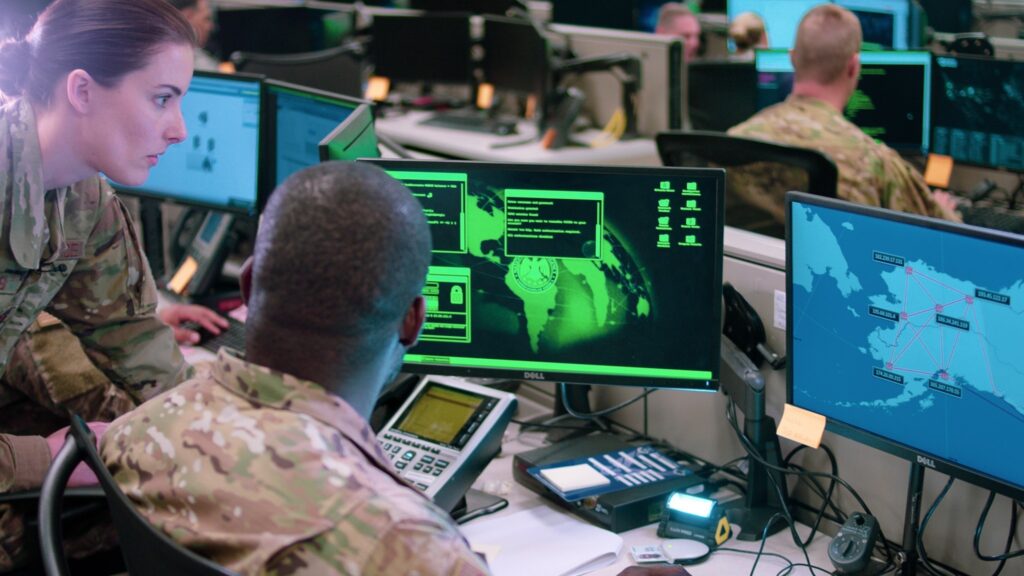
Modern threats are hybrid in nature: cyberattacks on critical infrastructure, disinformation campaigns, election interference, economic coercion, sabotage of energy systems, and deniable proxy operations.
These tactics operate below the threshold of armed conflict, exploiting ambiguity and legal gray zones. It is precisely in these conditions that nuclear deterrence loses credibility.
Deterrence only works if adversaries believe retaliation will occur. Nuclear weapons can inflict catastrophic damage, but democratic governments are highly unlikely to escalate to nuclear use in response to cyber sabotage, disinformation, or economic pressure.
Opponents understand this and increasingly tailor strategies to remain below escalation thresholds.
Spending Signals Strategic Shift
Europe’s defense spending reflects this reality.
Between 2021 and 2024, EU member states increased defense expenditure by more than 30 percent, reaching approximately 326 billion euros ($386 billion).
Spending is approaching 2 percent of GDP, with further growth expected, and NATO’s 2025 summit in The Hague set a long-term target of 5 percent by 2035.
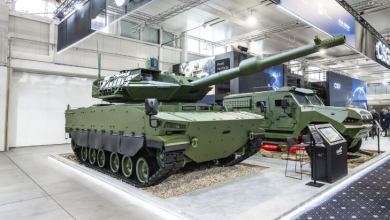
Crucially, these investments are not focused on nuclear forces. Resources flow into conventional military capabilities, air and missile defense, intelligence sharing, logistics, mobility, and cyber security.
Credibility today depends on forces that are usable, flexible, and scalable across a wide range of contingencies — not weapons reserved for existential scenarios.
Why Flexibility and Resilience Matter
Hybrid threats show why this recalibration is necessary. Attacks on power grids, transport networks, and public confidence cannot be deterred by nuclear retaliation.
A weapon designed to prevent total war offers little leverage against gradual, deniable pressure across political, economic, and informational domains.
Deterrence is evolving from punishment to denial. Instead of threatening overwhelming retaliation, states focus on making aggression costly, risky, and likely to fail at every stage.
Robust conventional forces, air and missile defenses, cyber protection, intelligence capabilities, rapid deployment, and resilient logistics all support this approach.
Alongside military capabilities, societal resilience has emerged as a strategic asset. Hybrid campaigns exploit polarization, institutional fragility, and economic vulnerabilities.
Societies that can absorb shocks — whether cyber, informational, or economic — are harder to coerce. Resilience reduces the effectiveness of gray-zone tactics by denying adversaries easy leverage points, turning endurance itself into a form of deterrence.
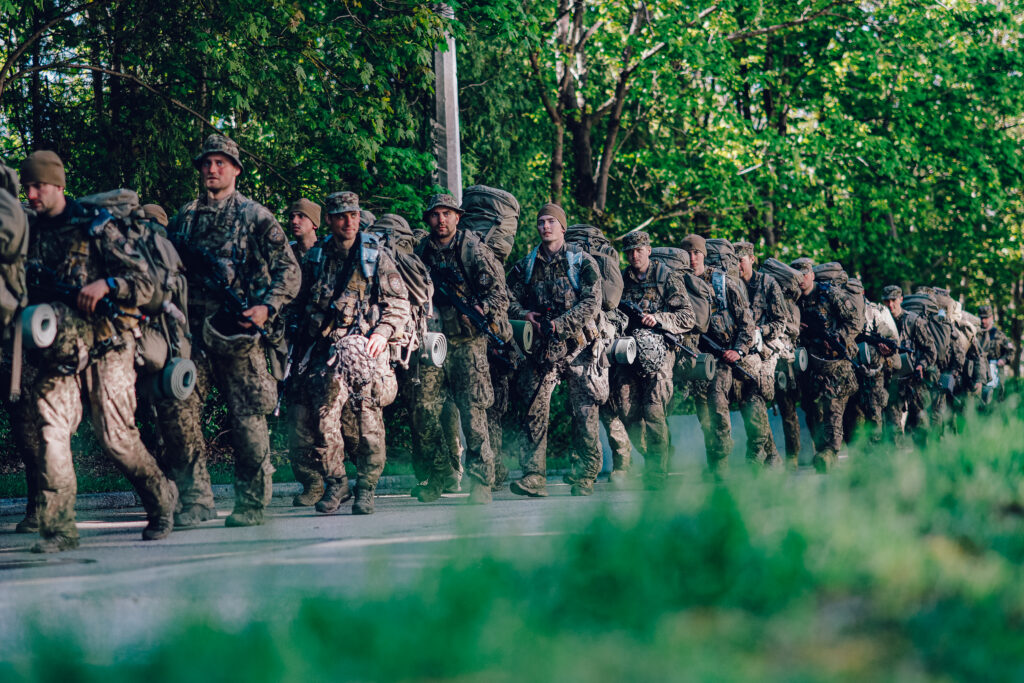
Nuclear Weapon as Backup, Not Backbone
None of this suggests that nuclear deterrence is obsolete. As long as nuclear weapons exist, they remain a safeguard against existential threats.
For Europe, NATO’s nuclear dimension remains a last-resort safeguard policy against extreme escalation. But its role is increasingly narrow. Nuclear weapons are no longer the cornerstone of credible security; they function as an insurance policy against the unthinkable.
The challenge is clear: Europe cannot rely on Cold War logic.
In a world of continuous, multidimensional pressure, security depends less on the capacity to annihilate an adversary and more on the ability to absorb shocks, respond flexibly, and deny objectives across military and non-military domains.
In an era where conflict rarely announces itself as war, Europe’s security will no longer be written in threats of annihilation. It will be built in the strength, flexibility, and resilience of its people and forces.

Jerome Enriquez John is an author and human rights activist who writes on global politics, security, and justice.
His work has appeared on international platforms, and he is the author of several books available on Amazon.
The views and opinions expressed here are those of the author and do not necessarily reflect the editorial position of The Defense Post.
The Defense Post aims to publish a wide range of high-quality opinion and analysis from a diverse array of people – do you want to send us yours? Click here to submit an op-ed.