Editor’s note: Helsing has disputed reports that Ukraine paused additional orders of its HX-2 drones, telling The Defense Post that the Bloomberg story cited an unverified internal document. Read our follow-up story here.
Ukraine and Germany have suspended further orders of HX-2 strike drones from the German defense technology company Helsing following technical problems during field trials.
A number of HX-2 drones failed to take off during testing, and some units were missing AI-enabled terminal guidance, midcourse navigation, and visual target acquisition components, according to an internal German military presentation dated November 20 cited by Bloomberg.
Moreover, the strike drones reportedly encountered jamming near the frontlines that disrupted communication links to human operators.
According to sources, the systems’ performance issues dampened demand from Ukraine and Germany, which financed the drones’ acquisition as part of their military aid for Kyiv.
However, Helsing said it was unaware of the internal presentation and rejected the reported findings, stating that it is too early to draw conclusions about the HX-2’s frontline performance and that Ukrainian military units have continued to express interest in acquiring the system.
Helsing’s HX-2
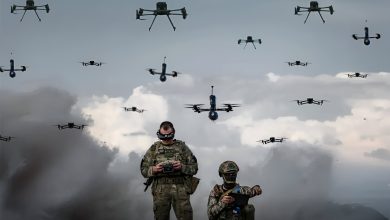
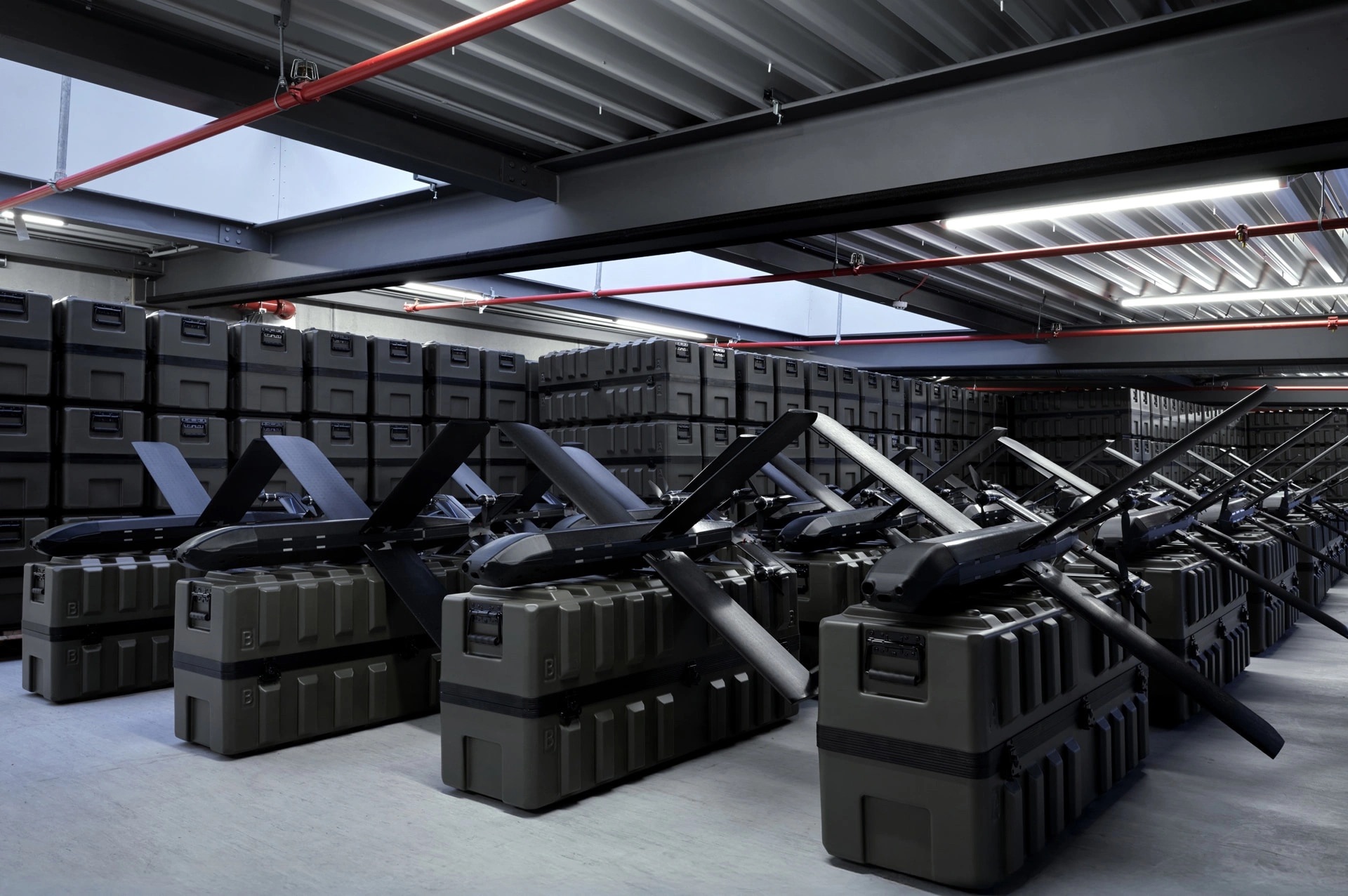
In late 2024, Helsing unveiled the HX-2 strike drone — a swarm-capable X-winged precision munition that can engage targets at a distance of up to 100 kilometers (62 miles).
The company described the AI-enabled platform as incorporating electronic warfare and jamming-resistant features, based on technology developed and tested in Ukraine, with core elements already fielded there.
It is also said to be designed for cost-efficient mass production.
In February 2025, the Munich-based company said it planned to produce 6,000 HX-2 strike drones for Kyiv.
Drone Testing in Ukraine
Ukraine’s extensive use of drones in its war against Russia has made it a proving ground, prompting many companies to send their systems there for real-world testing.
Helsing’s HX-2 is not the only system reported to have faced challenges on the frontlines. The Wall Street Journal reported in April 2024 that several US-made drones — including Skydio’s systems — suffered technical glitches and were difficult to repair.
Anduril’s Ghost reconnaissance drone also struggled with Russian electronic jamming and challenging terrain during its early deployments, prompting the company to upgrade the system. The drone later crashed during US military exercises in 2025.