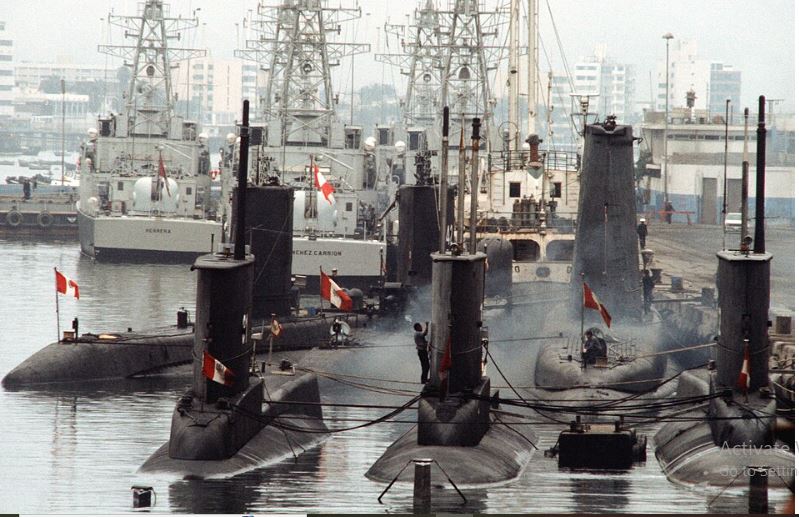
The US State Department has approved a potential $1.5-billion foreign military sale to support the design and construction of facilities at Peru’s main naval base in Callao, located less than 50 miles (80 kilometers) from a Chinese-owned port.
The proposed sale would support the relocation and redesign of the Callao Naval Base, which is currently situated adjacent to Peru’s busiest commercial port in Callao.
It would provide a safer and more efficient platform for naval operations by reducing civilian-military interactions at the existing facility, which shares waterways with the commercial port.
Relocating the naval facility will also allow the trading port to expand its operations.
To Allow Future Naval Operations
Announcing the development, the Pentagon’s Defense Security Cooperation Agency stated that the proposed sale “will improve Peru’s port infrastructure to accommodate current and future naval and logistical operations and requirements.”
The agency added that the project “will contribute to the foreign policy objectives of the United States by helping to improve the security of an important partner which is a force for political stability, peace, and economic progress in South America.”
The principal contractor or contractors for the proposed sale will be selected through a competitive process.
If the deal moves forward, up to 20 US government or US contractor representatives will be required to be assigned to Peru for a period of up to 10 years to provide construction management and oversight.
Growing Chinese Influence
The announcement comes amid ongoing US concerns over China’s expanding footprint in Peru’s port sector, particularly the $1.3-billion Chancay port developed and operated by China’s state-owned COSCO Shipping just north of Callao.
US officials have previously warned of the facility’s potential dual-use role.
Operational since 2024 under China’s Belt and Road Initiative, the Chancay port is expected to strengthen trade links between South America and China, the region’s largest trading partner, while potentially redirecting Pacific shipping routes away from US port infrastructure.