Japan’s Pacifist Illusion: Why Article 9 No Longer Works
Article 9 leaves Tokyo legally constrained, strategically exposed, and overly dependent on the US in an increasingly dangerous region.

Japan’s postwar pacifism was born from defeat, occupation, and a collective determination never to repeat the horrors of World War II.
Nearly eight decades later, however, that same pacifism has hardened into a strategic liability.
Faced with growing belligerence from China, North Korea, and Russia, Japan can no longer afford to outsource its security or treat constitutional ambiguity as a sustainable defense policy.
It is time for Tokyo to rebuild its military forces, reclaim responsibility for its own security, and strengthen alliances to contribute to Asia-Pacific stability.
The country’s conservative new Prime Minister, Sanae Takaichi, may be the right leader to pursue this, which will require amending the constitution and overcoming public resistance to remilitarization.
The Limits of Article 9
At home, Japan is constrained by Article 9 of its constitution, which renounces the nation’s sovereign right of belligerency — the right to wage war to settle international disputes.
It specifically forbids the “maintenance of any land, air, or sea forces, or any other war potential.”
The article came into effect in 1947 as a response to Japan’s wartime aggression. Since then, Japan has relied on the United States, which is treaty-bound to defend it against foreign attack.
Almost 80 years later, the context has changed. Japan is now a trusted international actor and the world’s fifth-largest economy, capable of affording self-defense and contributing meaningfully to regional security.
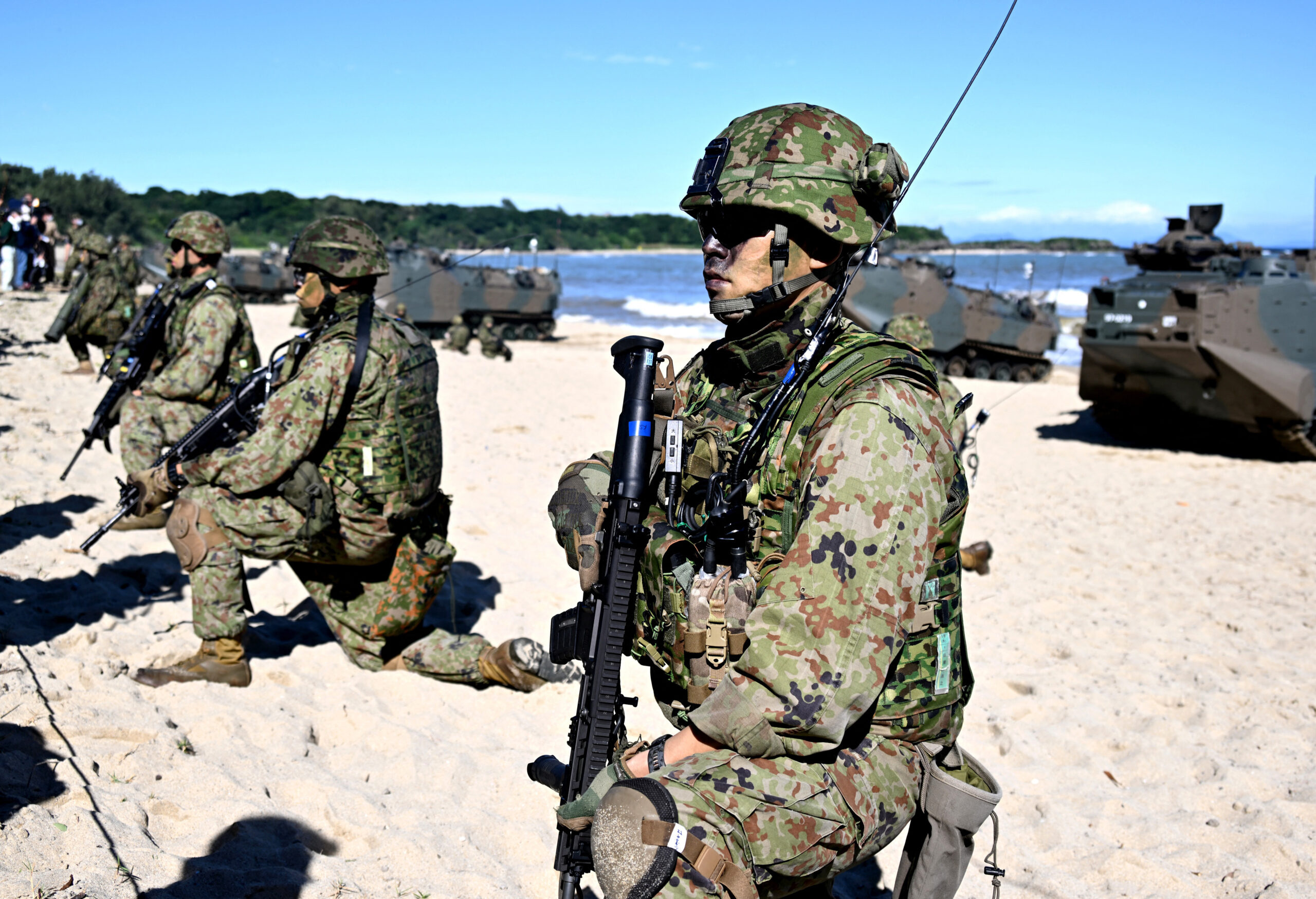
Japan maintains the Self-Defense Forces (SDF) to protect its sovereignty, while still relying on the US as the primary pillar of its regional defense strategy.
In the US, President Donald Trump has repeatedly criticized the treaty as “one-sided,” questioning the arrangement’s fairness. In response, Japan committed in 2022 to increase its defense budget from roughly 1 percent of GDP to 2 percent by 2027 and shares the cost of hosting US forces, around $2 billion annually.
Accountability for its own defense is therefore not a radical notion. Prime Minister Takaichi, who has framed herself as Japan’s “Iron Lady,” has emphasized the necessity of Japan defending itself.

A Gray-Area Military
Article 9 leaves Japan in a precarious legal position: the mere existence of its military is treated as a constitutional gray area. Despite the prohibition of “war potential,” Japan has incrementally built the SDF, which is now among the most capable militaries in the world.
The Liberal Democratic Party has repeatedly reinterpreted Article 9 to allow the SDF to operate defensively, support UN peacekeeping, and take limited action in existential crises.
Takaichi has indicated her intent to revise Article 9 again, including the possibility of a “quasi-security alliance” with Taiwan.
Rather than continuing incremental reinterpretation, Japan should repeal or amend Article 9 to formally recognize the SDF as a military force capable of responding to modern threats.
Doing so would clarify defense policy and improve public understanding.
Rising Regional Threats
Article 9 also hinders the establishment of broader collective defense agreements, contributing to an Asia-Pacific security imbalance.
While the majority of Japanese public opinion supports pacifism, a growing segment (34 percent) favors strengthening ties with South Korea in response to regional threats.
Those concerns are justified.
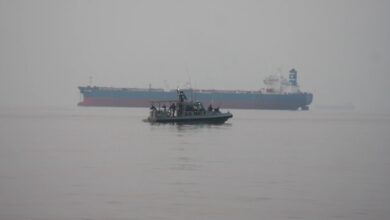
Russia and China are expanding their naval forces. China expects 435 ships by 2030, and Russia is pursuing a major modernization program. North Korea continues ballistic missile testing over Japanese waters.
All three countries have strengthened defense ties with one another, creating what some analysts call a new “Axis of Upheaval.”
Provocative actions in the Taiwan Strait, the Senkaku Islands, and the Kuril Islands underscore the increasing assertiveness of Japan’s neighbors.
To counter these threats, Japan must be able to act militarily without legal ambiguity.
Time for a Clear Strategy
Escalating aggression in the region threatens not only Japan but the broader Asia-Pacific.
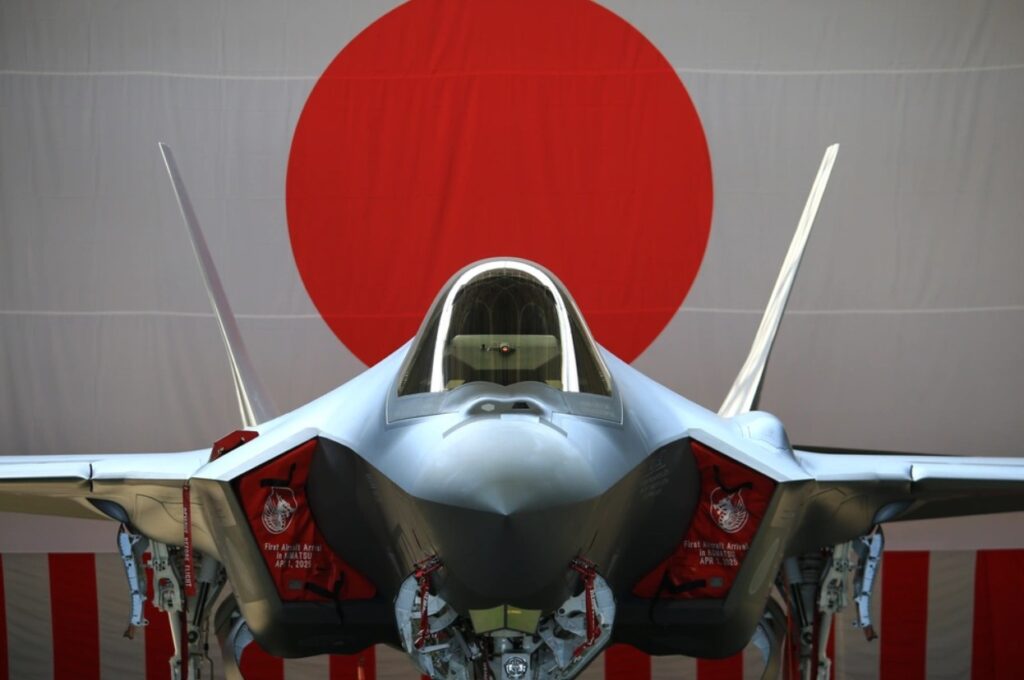
Repealing Article 9 would enable Japan to fully participate in collective defense measures, paving the way for partnerships with South Korea, Australia, and potentially India.
It would also address US concerns about the alliance being “one-sided,” allowing Japan to support operations worldwide and stand as a more equal partner in its own defense.
Japan has been fortunate that tensions have not escalated into open conflict, but relying on luck is no strategy.
Article 9 served its purpose in the aftermath of war, but today it constrains a capable nation facing growing threats.
Japan should move beyond this constitutional relic and reclaim its full rights as a sovereign state.

Adam Shusterman is a Doctoral Candidate at Missouri State University’s School of Defense and Strategic Studies, specializing in the US-East Asian security balance and cyber warfare.
The views and opinions expressed here are those of the author and do not necessarily reflect the editorial position of The Defense Post.
The Defense Post aims to publish a wide range of high-quality opinion and analysis from a diverse array of people – do you want to send us yours? Click here to submit an op-ed.