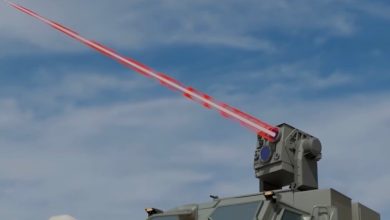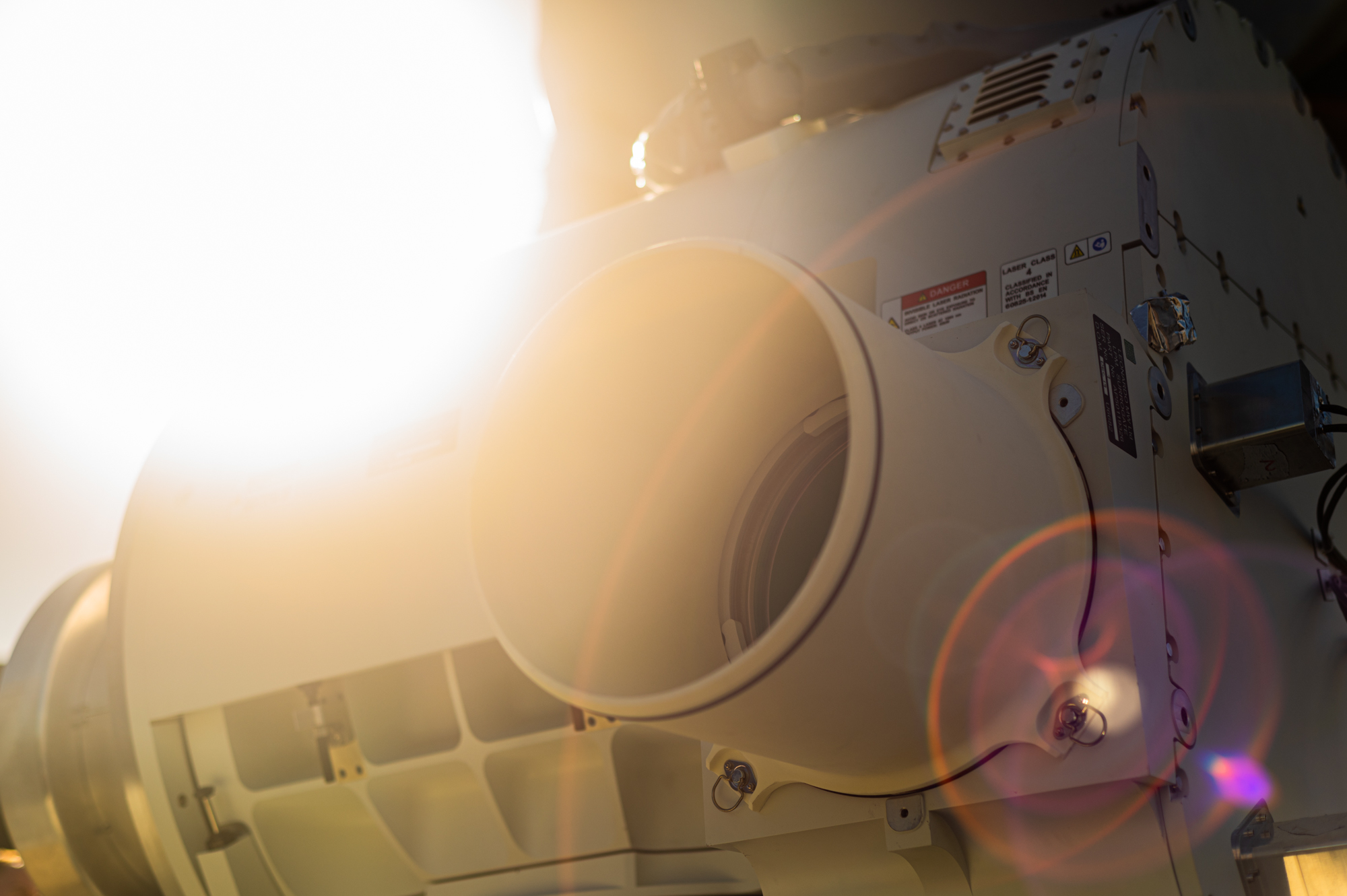
MBDA, the prime contractor of the Royal Navy’s DragonFire laser weapon, has awarded industry partner QinetiQ a 67-million-pound ($78 million) contract to continue work on the system’s laser source.
The deal follows DragonFire’s successful trials in November 2025, where it downed fast-moving drone targets at the QinetiQ-operated MOD Hebrides range in Scotland, marking the UK’s first above-the-horizon laser engagement.
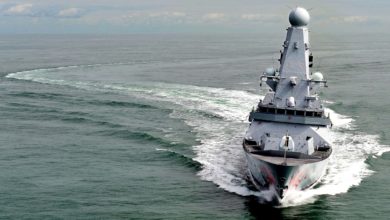
The laser weapons are slated for integration aboard Royal Navy warships, particularly the Type 45 destroyers, from 2027 to expand air defense capabilities.
“This contract is a testament to QinetiQ’s expertise in developing, testing and engineering novel and disruptive technologies at pace, and is a welcome milestone as industry and government work together to accelerate the adoption of laser directed energy weapons,” said the company’s Group CEO Steve Wadey.
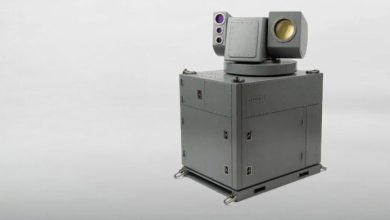
DragonFire Laser
The DragonFire was first publicly unveiled as a prototype in 2017, designed to track and engage high-speed and low-cost threats with a cost-per-shot of 10 pounds ($13).
It has undergone several successful trials, beginning in July 2022 and culminating in November 2025, when lead contractor MBDA clinched a 316-million-pound ($425 million) contract to deliver and integrate the systems into the Royal Navy’s warships.
The MBDA-led consortium involves QinetiQ, which handles the development and refinement of the high-energy laser source, and Leonardo, which provides the sensors, tracking, and precision targeting capabilities.
Earlier UK announcements suggested a mid-2030s fielding date, but in 2024, the defense ministry accelerated the schedule to aim for a 2027 deployment in response to quickly evolving threats.