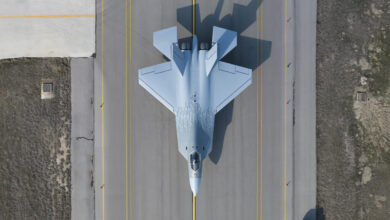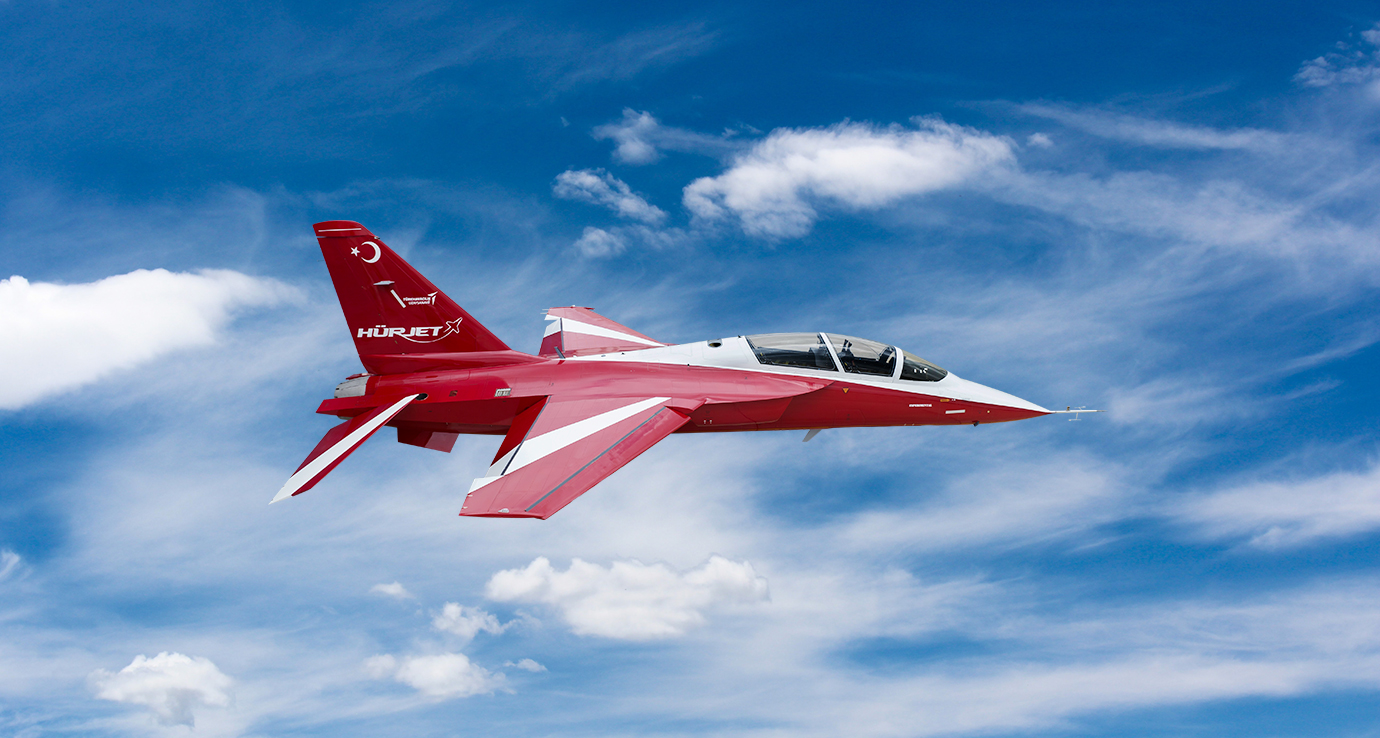
Spain is moving to replace its aging F-5 fleet by buying 30 Hürjet trainers from Turkey, anchoring a broader overhaul of how the country prepares its next generation of combat pilots.
Madrid has selected Airbus Defence and Space to lead development of the Spanish Air and Space Force’s new Integrated Training System for Combat with Turkish Aerospace supplying the Hürjet aircraft.
Beyond the jets themselves, the program is designed as a full training ecosystem, combining aircraft, simulators, infrastructure upgrades, and long-term support.
Under the plan, the Hürjet advanced jet trainers will arrive initially in a baseline configuration before being modified to Spanish requirements.
Airbus, acting as national coordinator, will oversee fleet conversion, set up an aircraft conversion center in Spain, and refurbish the Fighter and Attack School at Talavera la Real Air Base in Extremadura.
Deliveries of the first aircraft are scheduled across 2028 and 2029, following certification in Spain. Conversion work will then begin, with the first two aircraft modified at Airbus facilities in Getafe and the remaining 28 converted at the new Spanish conversion center.
Final deliveries are expected from the second half of 2031 to 2035.
What Hürjet Brings to Spain’s Training Pipeline
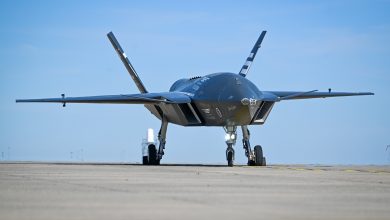
The Hürjet is a supersonic, tandem-seat jet designed to bridge the gap between basic flight training and frontline fighters such as the Eurofighter Typhoon.
It is intended to replicate key aspects of modern combat jets, including high-speed handling, advanced avionics, and digital cockpit layouts.
Built around an open-architecture design, the aircraft allows operators to tailor mission systems, training software, and onboard simulators to national requirements.
The jet is also designed to operate as part of a broader training ecosystem. When paired with ground-based simulators and virtual training tools, it allows pilots to rehearse complex mission scenarios on the ground before flying, reducing costs while increasing training realism and safety.