Facing vast inventories of unguided bombs in the late 1990s, US engineers sought a low-cost way to make them accurate in any weather without requiring a new bomb design.
Their answer was the GBU-38 Joint Direct Attack Munition (JDAM), a bolt-on tail kit that gave gravity bombs a GPS-guided brain.
What began as a cost-saving fix soon became one of the most reliable precision weapons in modern air warfare.
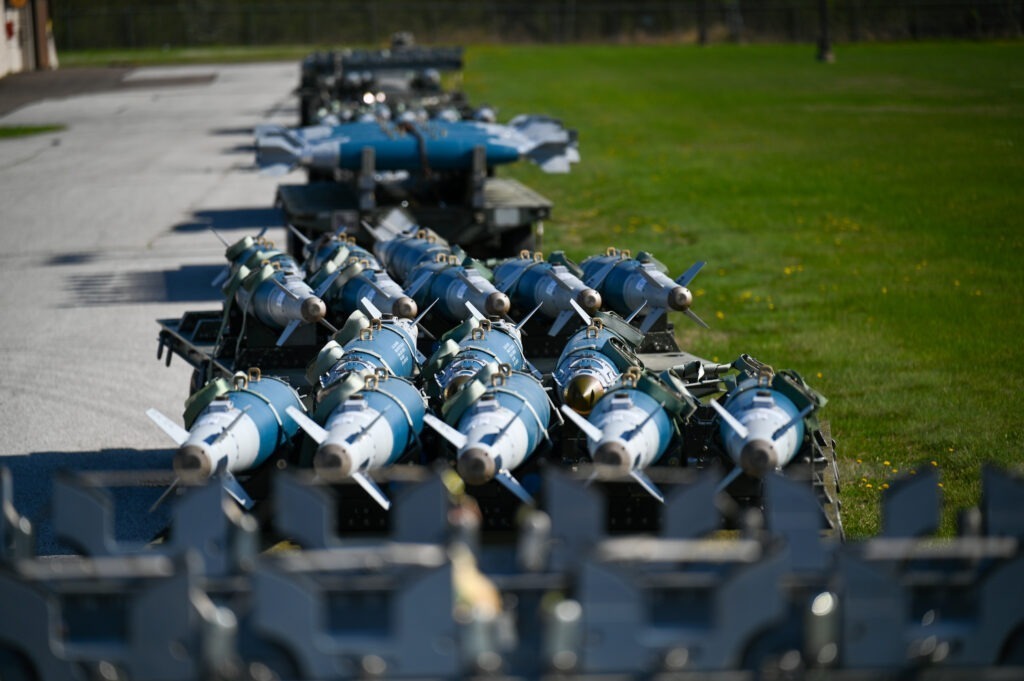
The Story of the GBU-38
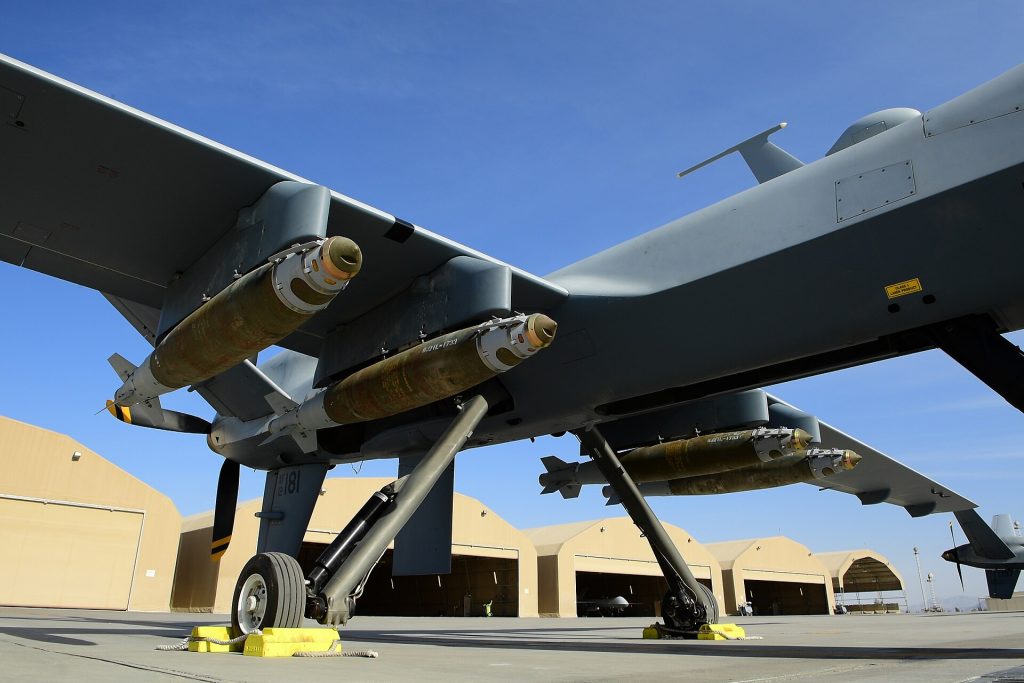
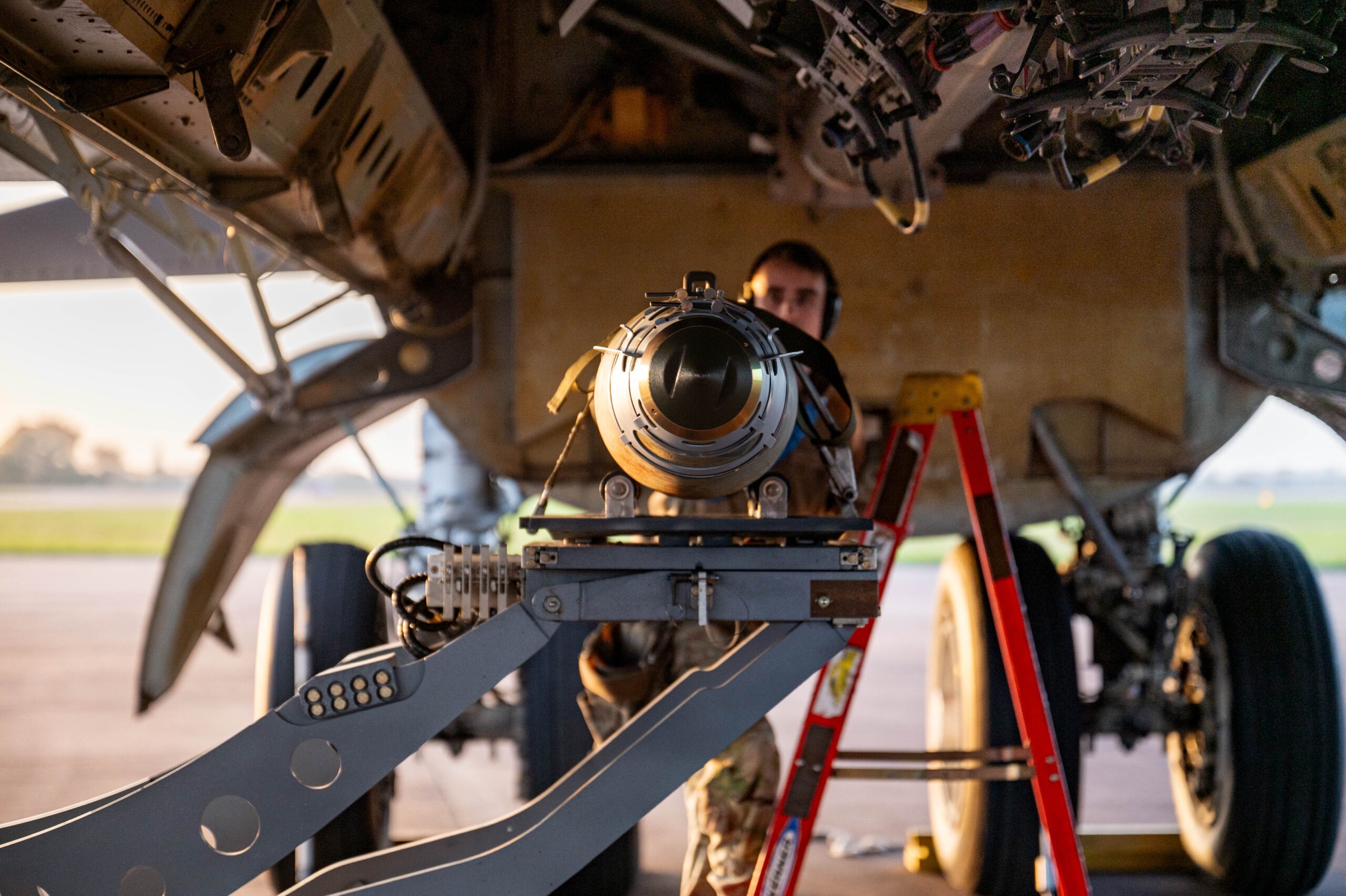
The GBU-38 hails from the JDAM family — a tail-kit added to existing general purpose bombs, like the Mk-series or BLU bomb bodies, and converts them into GPS- or inertial navigation system-guided precision weapons.
That concept was shaped by lessons from the 1991 Gulf War. Desert Storm exposed a shortfall in air-to-surface capability: adverse weather limited the use of laser-guided weapons, and unguided bombs lost accuracy from medium and high altitudes. In response, research began in 1992, and the first JDAM guidance kits were delivered in 1997.
Since then, the kits have been integrated across US Air Force and Navy platforms and exported to allied users; the GBU-38 — the 500-pound (227-kilogram) JDAM variant — was developed to offer a useful balance of lethality and reduced collateral effects for many tactical targets.
The GBU-38 in Action
The JDAM uses a tail-control unit and a combined GPS/INS to guide itself. Before release, the aircraft initializes the weapon’s navigation so it knows its starting position. Meanwhile, target coordinates can be loaded before takeoff, changed in flight by the crew, or automatically fed from onboard sensors.
With good GPS, the JDAM can hit within about 16 feet (5 meters), but if that’s unavailable, the INS typically keeps the error to roughly 98 feet (30 meters) for flights up to 100 seconds.
It can be released low or high, in dives, lofts, or straight-and-level drops, and multiple JDAMs can be tasked against one or many targets on a single pass.
Because it relies primarily on GPS for midcourse updates, JDAM can achieve circular error probable measured in tens of meters (about 70 to 160 feet) in typical conditions — far tighter than unguided drops and reliable in cloud, rain, or at night.
Some variants add a laser seeker to engage moving or pinpoint targets by homing on laser-designated points, combining satellite-guided and terminal laser guidance for flexibility.
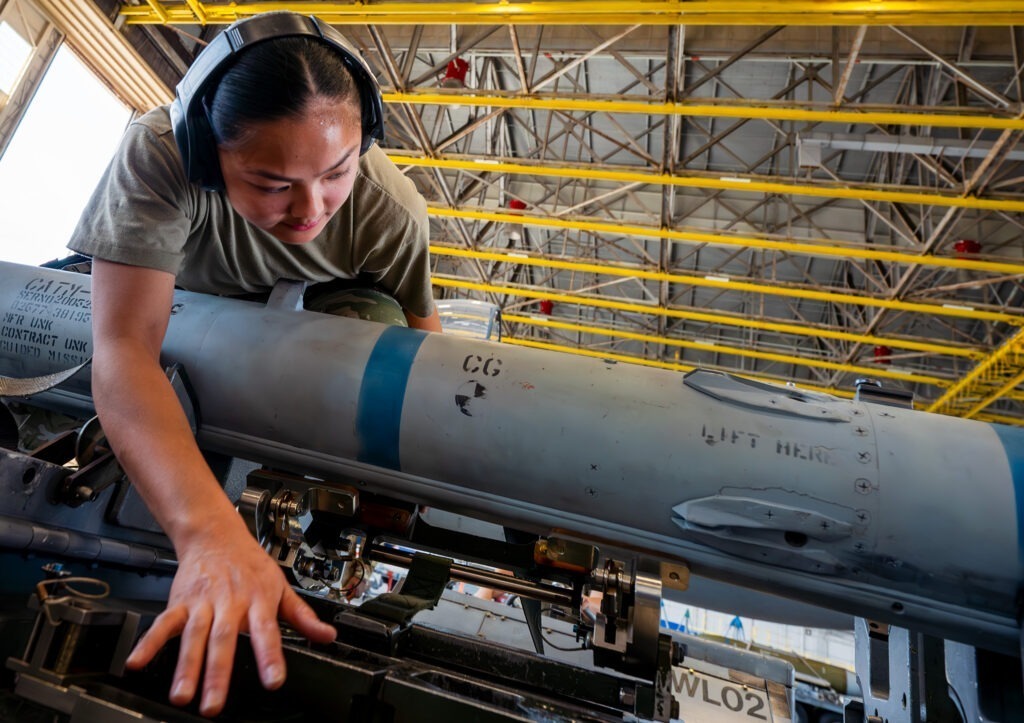
Strategic Impact and Future Use
JDAMs — especially the GBU-38 — reshaped how air forces approach precision fires.
By converting stockpiled general-purpose bombs into GPS-guided munitions, militaries gained a low-cost, network-ready strike option that works in bad weather and extends standoff range beyond pure free-fall drops, reducing sorties and collateral risk.
That reduces the number of sorties needed to achieve effects, lowers aircrew exposure risk, and simplifies logistics compared with buying large numbers of purpose-built guided missiles.
JDAM’s modular, software-driven architecture makes it a natural candidate for incremental upgrades, such as improved GPS/anti-jamming receivers, tighter INS integration, alternative terminal seekers, and networking that allows in-flight reprogramming or third-party coordinate updates.
In short, the GBU-38 remains a practical, cost-effective workhorse for precision strike. It delivers predictable accuracy, broad platform compatibility, and a clear upgrade path as contested environments force improvements.