Voyager Technologies has secured a $21-million contract from the Air Force Research Laboratory to advance artificial intelligence-enabled intelligence, surveillance, and reconnaissance (ISR) systems.
The work is aimed at accelerating the development of airborne mission capabilities that can adapt faster than emerging threats.
Under the contract, Voyager will focus on next-generation sensor architectures, digital signal processing, and AI-driven situational awareness tools.
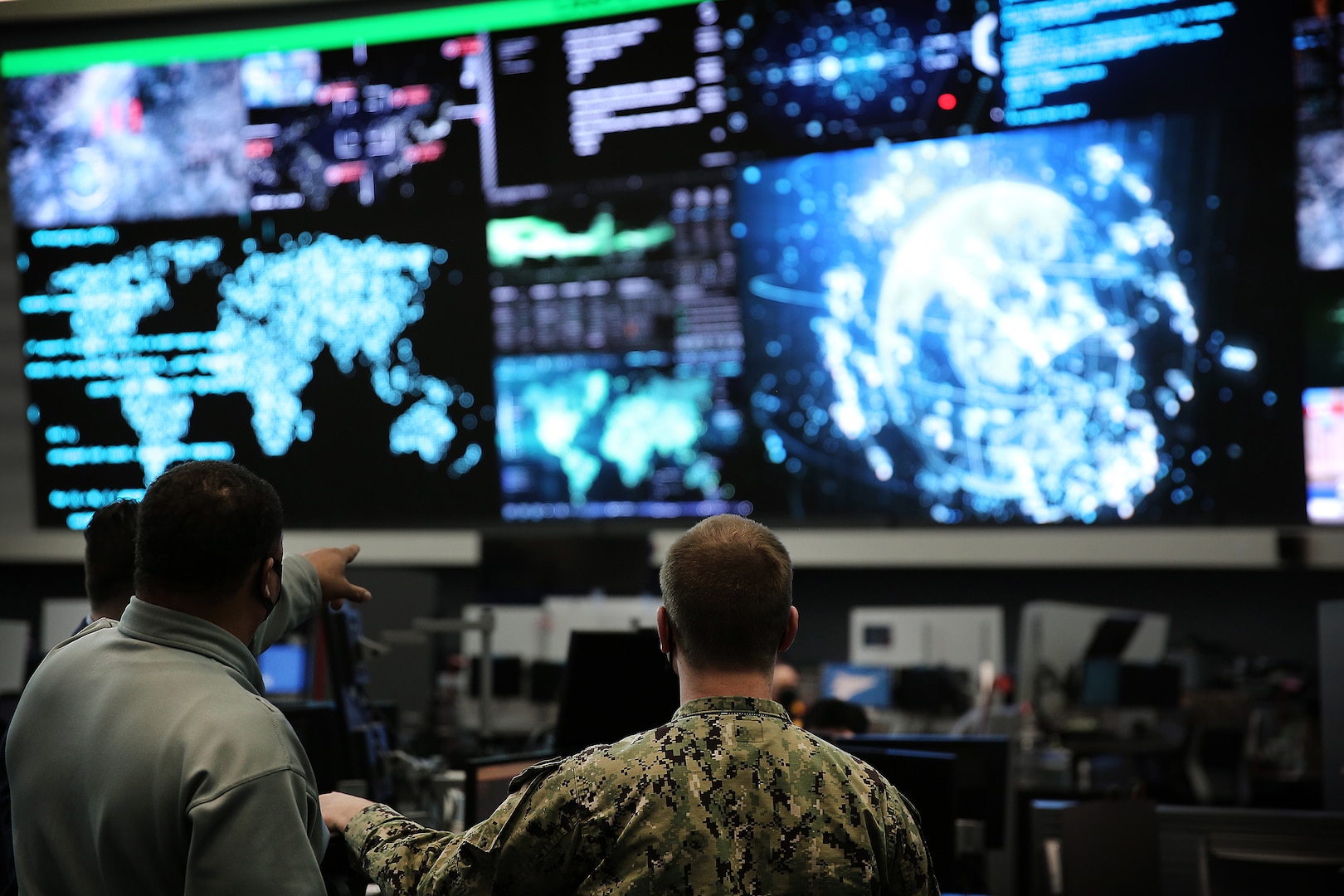
These systems will fuse data from multiple sources into a unified operational picture, allowing decision-makers to react quickly in dynamic environments. The effort also targets GPU-based surveillance solutions designed for both irregular warfare and near-peer threats, capable of tracking targets across military and civilian radio frequency networks.
Voyager’s approach emphasizes open designs and scalability, enabling deployment from small tactical unmanned aerial vehicles to high-altitude ISR platforms.
Advancing US Airborne Mission Capabilities
Several US defense contractors have secured recent contracts or taken concrete steps to advance airborne mission technologies alongside Voyager’s work.
In July 2024, Lockheed Martin won a roughly $4.6-million contract from the Defense Advanced Research Projects Agency as part of its Artificial Intelligence Reinforcements program, tasked with developing AI and machine‑learning tools to model and simulate dynamic airborne missions for multi‑ship engagements beyond visual range.
This initiative aims to give commanders predictive tools and faster decision cycles in complex air operations.
Northrop Grumman has also been active in airborne sensor advancement. In June 2024, the company completed a successful test of a next‑generation active electronically scanned array radar system intended to enhance airborne early warning and long‑range threat detection capabilities.