L3Harris has received a new order to upgrade the US Marine Corps’ satellite communications terminals.
The initiative is expected to improve data throughput and enable access to multiple satellite orbits, supporting the Marine Corps’ Joint All-Domain Command and Control objectives.
The order covers Panther 2 man-portable terminals and Ku-band transceivers, boosting the system’s power output to 25 watts.
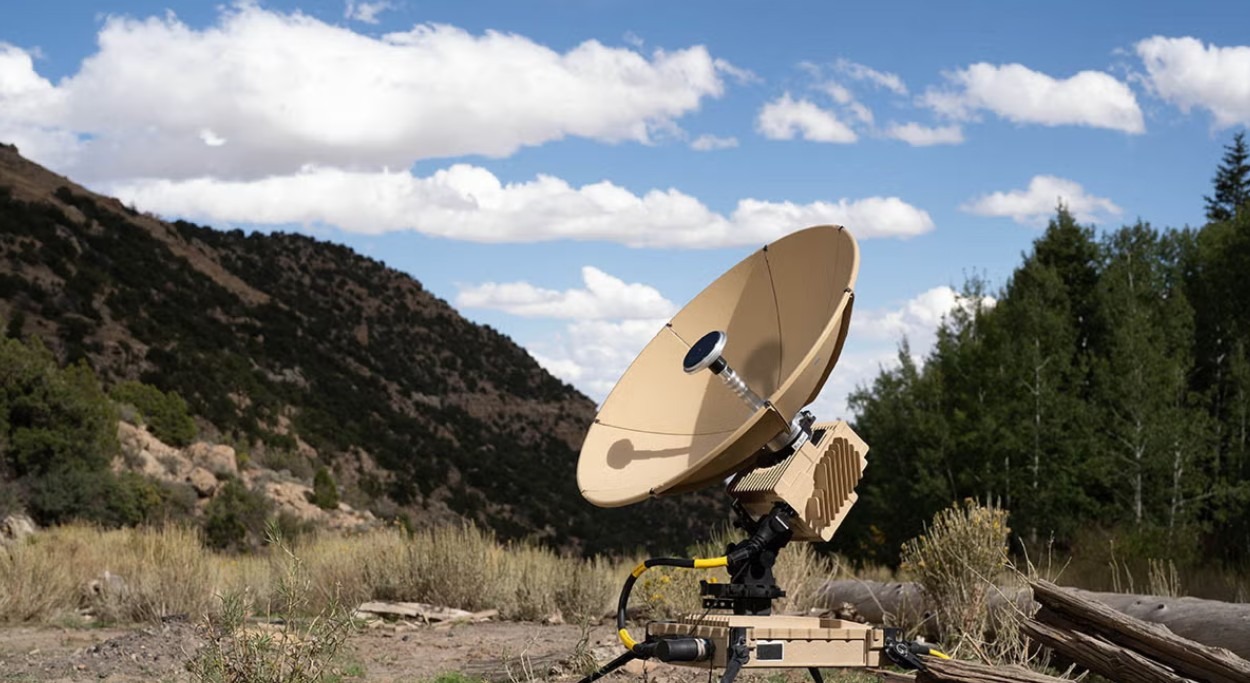
Panther 2 is a tri-band, backpack-portable SATCOM terminal that a single Marine can set up in under 10 minutes.
Compatible with several military and commercial satellite networks, the terminal uses a modular design that lets operators swap frequency bands or change the antenna as needed.
Its passively cooled modem operates without a fan, and the system can be managed through a web-based interface or a front-panel display.
Optional power modules add backup power and can recharge the batteries.
Depending on configuration, the system fits in a single transport case and weighs between 63 and 74 pounds (between 28.5 and 33.5 kilograms), with the lightest setup weighing under 34 pounds (15.5 kilograms).
“Our SATCOM solutions provide resiliency and pathway diversity to support multiple types of missions and avoid single points of failure with protected modems and waveforms for secure, wideband anti-jam communications,” said Mike Pedaci, General Manager of Tactical Communications at L3Harris.
Wideband Satellite Program
The initiative is under the Marine Corps Wideband Satellite – Expeditionary (MCWS-X) program, which L3Harris has supported since 2020.
MCWS-X is a man-portable, multiband, super-high-frequency, multi-waveform satellite communications system designed to give troops resilient, agile connectivity in the field.
It supports voice, data, and video for small, dispersed units and aligns with the Marine Corps’ push toward more mobile and networked forces.
“Thanks to this new capability, Marines can shoot, move, and communicate a lot faster than before,” said Frank Mello, product manager for Satellite Communications.
The system moved from design and development to testing and full fielding in 32 months.