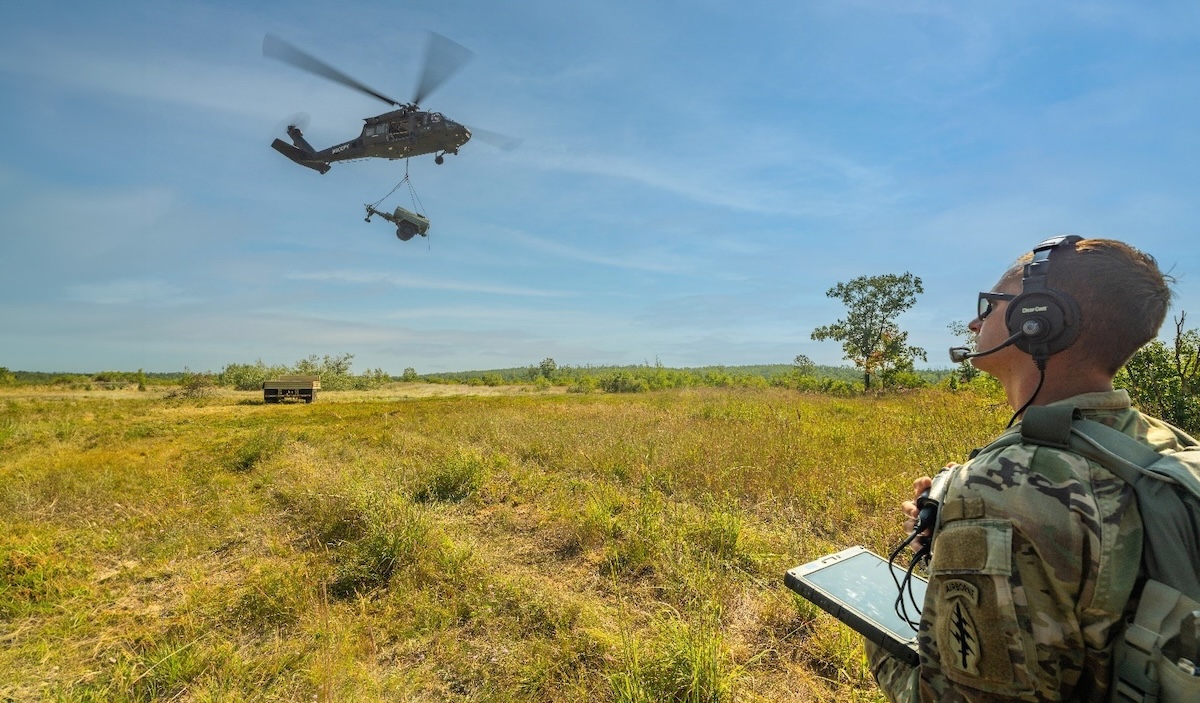
An active-duty US soldier has executed real-world missions with an optionally piloted Black Hawk helicopter — the first time a non-pilot or non-test engineer has operated the aircraft independently.
Trained in less than an hour, a US Army National Guard Sergeant First Class used a handheld tablet to operate the Sikorsky rotorcraft equipped with the Matrix flight autonomy system, conducting logistics and aerial delivery operations.
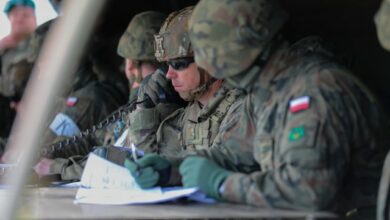
The milestone event took place during the Northern Strike 25-2 military exercise in August, with Lockheed Martin releasing details of the exercise in October.
It showed how an autonomous Black Hawk can expand mission reach and reduce soldier risk, while proving that non-aviator soldiers can safely operate advanced aircraft using intuitive control interfaces.
“In contested logistics situations, a Black Hawk operating as a large drone offers commanders greater resilience and flexibility to get resources to the point of need,” said Rich Benton, VP and general manager of Sikorsky, a Lockheed company.
Optionally Piloted Black Hawk Milestones
The Matrix-powered optionally piloted Black Hawk demonstrated several key functions at the Northern Strike drill, including parachute drops and logistics recovery, water buffalo external sling load, as well as a HIMARS sling load and MEDEVAC recovery.
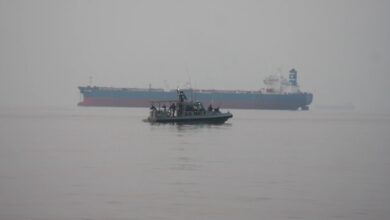
In the first exercise, a soldier conducted a Class 1 resupply mission from a Coast Guard boat 70 nautical miles (130 kilometers/81 miles) away, while soldiers onboard conducted two precision parachute drops at varying altitudes — the first logistics and airborne drops completed fully under soldier control.
Next, the rotorcraft hovered while soldiers attached a 2,900-pound (1,315-kilogram) water tank without pilot intervention, completing its first autonomous and airborne external sling load and showcasing its aerial resupply capabilities.
Following that, the helicopter autonomously lifted and transported HIMARS launch tubes to another location.
Finally, an untrained soldier used it to simulate rescuing an injured person, transferring the personnel from the autonomous Black Hawk to a piloted chopper on rough, unprepared ground.
It marked the first time an “untrained” soldier controlled an autonomous medical evacuation mission from inside the aircraft.