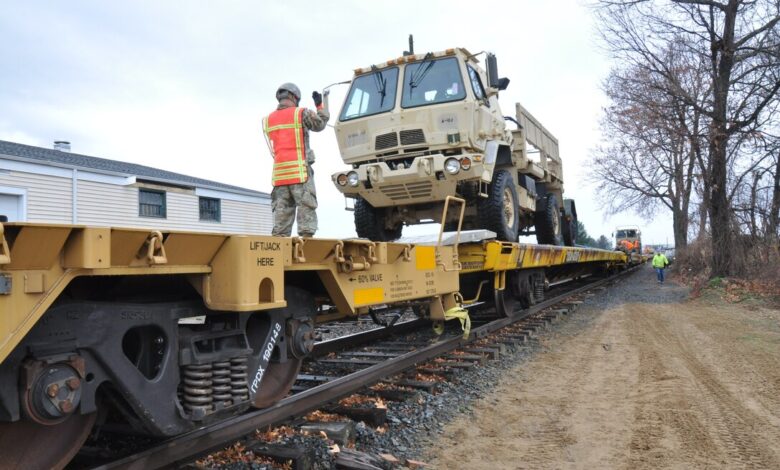
American strength abroad begins at home. Every jet that takes off, ship that sets sail, and missile that deters our enemies relies on a supply chain that runs through our railroads.
Yet for over a century, our rail network has been shrinking due to neglect and a growing reliance on imports.
We can build hypersonic missiles, but moving critical goods like steel and energy supplies across the country remains inefficient. That’s a dangerous weakness — one that rivals like China and Russia are eager to exploit.
Foreign Rail Giants Are Moving In
Even our neighbors are drawing closer, forging trade and security ties that position foreign rail companies at the heart of North American commerce.
The CEO of Calgary-based Canadian Pacific-Kansas City railroad was front and center at a recent summit between Canada and Mexico, highlighting this shift.
Meanwhile, America debates whether it can afford a true national rail champion of its own.
A Rail System Ill-Suited for Today’s Needs
As freight has shifted from rail to highways over the past decades, our system no longer matches the needs of a 21st-century superpower.
Trucks clog highways and are far more vulnerable to disruption. While acceptable for consumer deliveries, this is a national security liability when it comes to getting supplies to our warfighters on time.
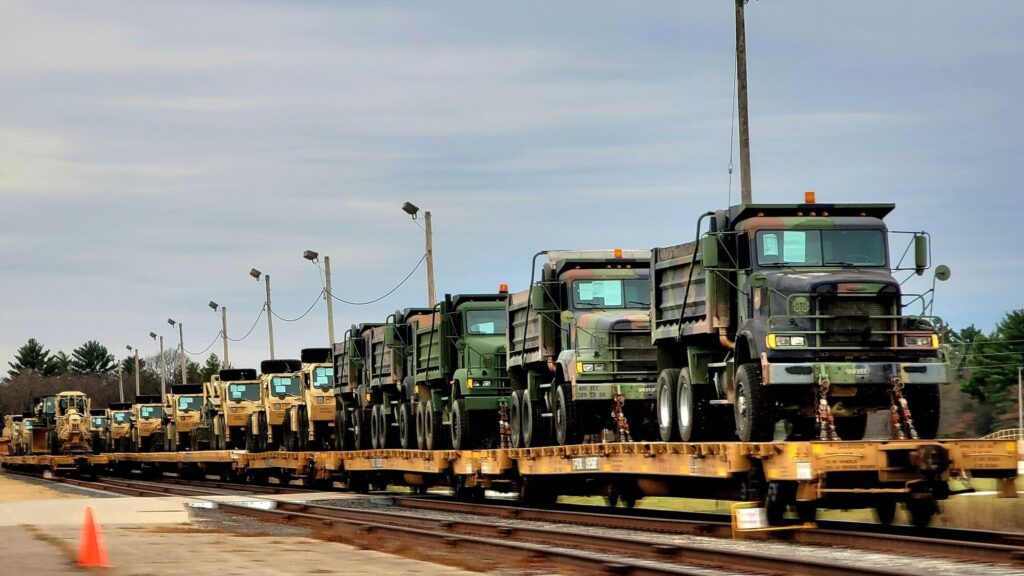
Backbone of Military Logistics
Rail, by contrast, can move massive quantities of goods quickly and securely across long distances. Historically, it has been the backbone of military logistics.
But today, our rail system is divided across six Class I railroads operating in regional silos. For shipments that cross the country, these divisions force handoffs, called interchanges, which delay freight by days as crews swap and paperwork is processed.
When the stakes are low, those delays may just be a headache that drives up costs. But in times of conflict, that could hinder American military readiness and cost lives. If tanks, ammunition, or fuel can’t move from America’s heartland to coastal ports without bureaucratic logjams, lives will be at risk and missions will fail.
The Case for a Unified Rail Network
The proposed merger between Union Pacific (UP) and Norfolk Southern (NS) presents a historic opportunity.
For the first time, uninterrupted coast-to-coast service would connect military bases, defense manufacturers, ports, and more.
The companies project faster, more reliable service, which means a more prepared and responsive military. A modern, unified rail network would strengthen our supply chain and reduce costly choke points.
It would also lessen dependence on foreign rail lines in Canada, which already operate their own transcontinental networks.
Some railroads oppose the merger, fearing lost market share. But from a national security perspective, the UP-NS deal is a chance to reclaim dominance in a sector that underpins both the economy and military power.
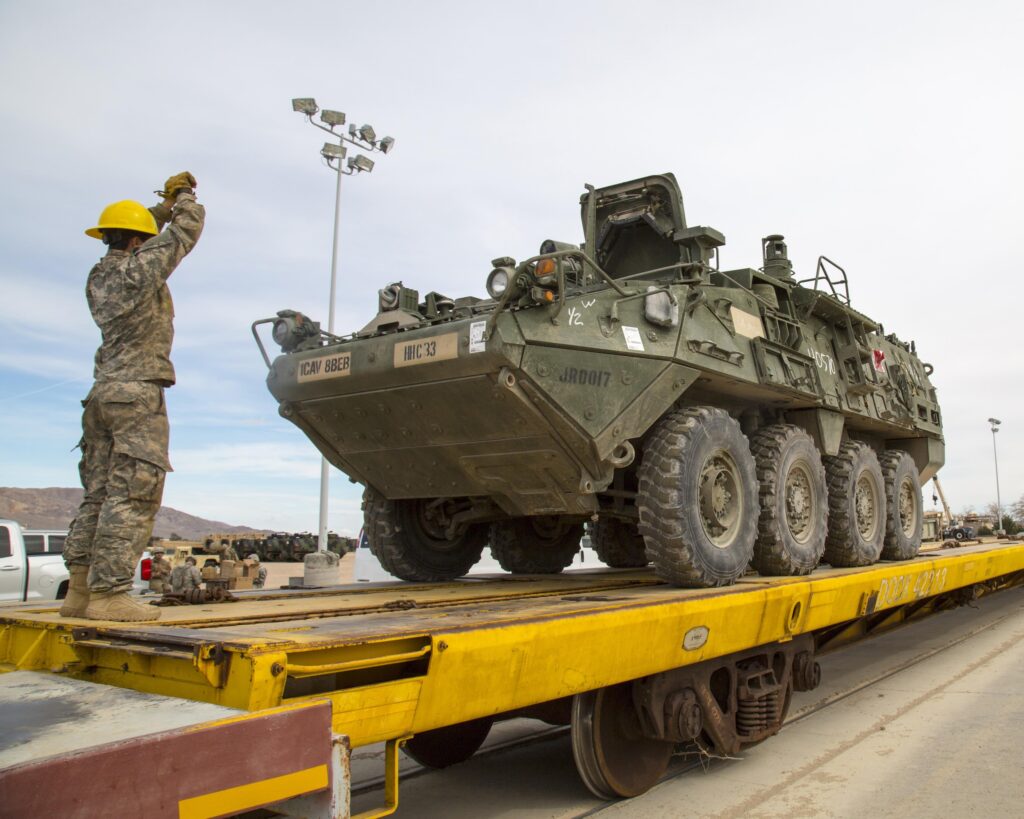
Regulatory Review and National Interest
Regulators at the Surface Transportation Board will review the merger to ensure it serves the public interest.
This review must recognize the deal for what it is: a national security imperative that strengthens supply chains, fuels energy independence, creates American jobs, and ensures military readiness.
Without a strong, unified rail system, America cannot maintain global military dominance. To lead abroad, we must first build strength at home.
This is our moment to invest in infrastructure that keeps us free and competitive — reminding the world that American power is built on American steel, American energy, and American grit, moved across American rails.

Rob Maness is a retired US Air Force Colonel, a former wing and squadron commander, veteran of the Iraq and Afghanistan wars, a survivor of the 9/11 Pentagon Attack, CEO and owner of Iron Liberty Group LLC, and host of The Rob Maness Show.
The views and opinions expressed here are those of the author and do not necessarily reflect the editorial position of The Defense Post.
The Defense Post aims to publish a wide range of high-quality opinion and analysis from a diverse array of people – do you want to send us yours? Click here to submit an op-ed.