The US Defense Advanced Research Projects Agency (DARPA) has issued a solicitation for modified red blood cells that improve troop performance and survival in extreme environments.
The Smart Red Blood Cells (Smart-RBC) program aims to reengineer blood cells so they can “sense extracellular biomarkers, decide the appropriate response, and act by releasing effector molecules.”
Through its Biological Technologies Office, the agency is partnering with research institutes and industry to design potential solutions. Proposals are due in November, with selected teams invited to present in January 2026.
DARPA plans two 18-month phases, with the initial stage focusing on adding and maintaining new proteins inside mature red blood cells, and the second to demonstrate full capabilities.
Boosting ‘Physiological Resilience’
The Smart-RBC program will study how engineered red blood cells could temporarily alter the body’s response to stress, injury, and austere environments while continuing to carry oxygen.
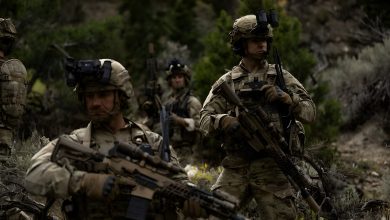
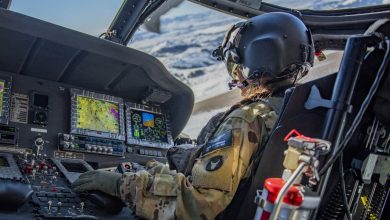
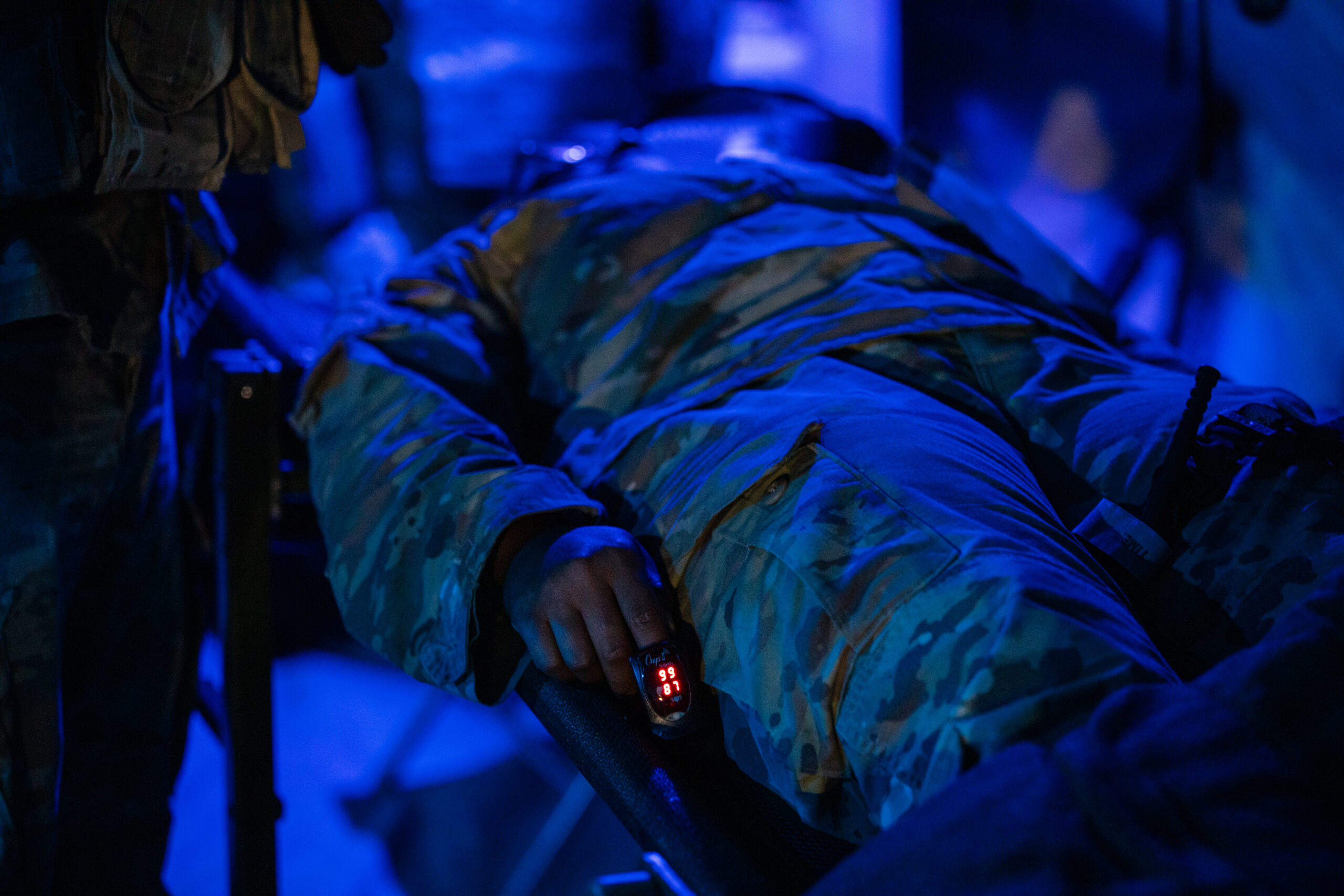
Specifically, these “smart” cells will detect trauma, speed clotting, and adjust metabolism to help troops withstand high altitudes, extreme cold, toxic environments, and other conditions where natural adaptation can take weeks or longer.
All engineered cells must be enucleated, or be without a nucleus, to prevent the chances of transferring altered genetic material.
DARPA noted that the resulting technology could also eventually lead to medical uses such as faster healing and rehabilitation, safer blood transfusions, or treatments that use blood cells to deliver drugs directly inside the human body.
“Currently available solutions for maximizing human performance and survivability are ineffective, slow, scale poorly, impractical, and/or dangerous due to side effects,” DARPA said.
“Recognizing the limitations of current solutions and the time required for natural acclimation, Smart-RBC is exploring innovative ways to enhance physiological resilience.”