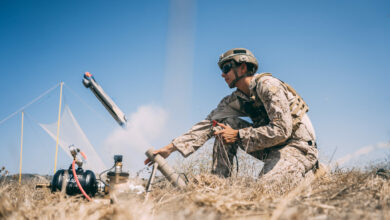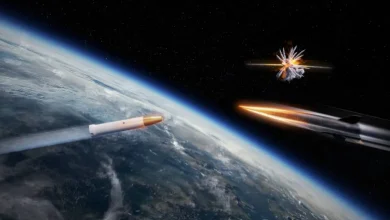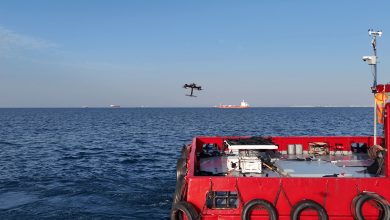
US company Dedrone by Axon has partnered with German defense firm TYTAN Technologies to enhance NATO’s ability to detect and respond to drone threats across allied airspace.
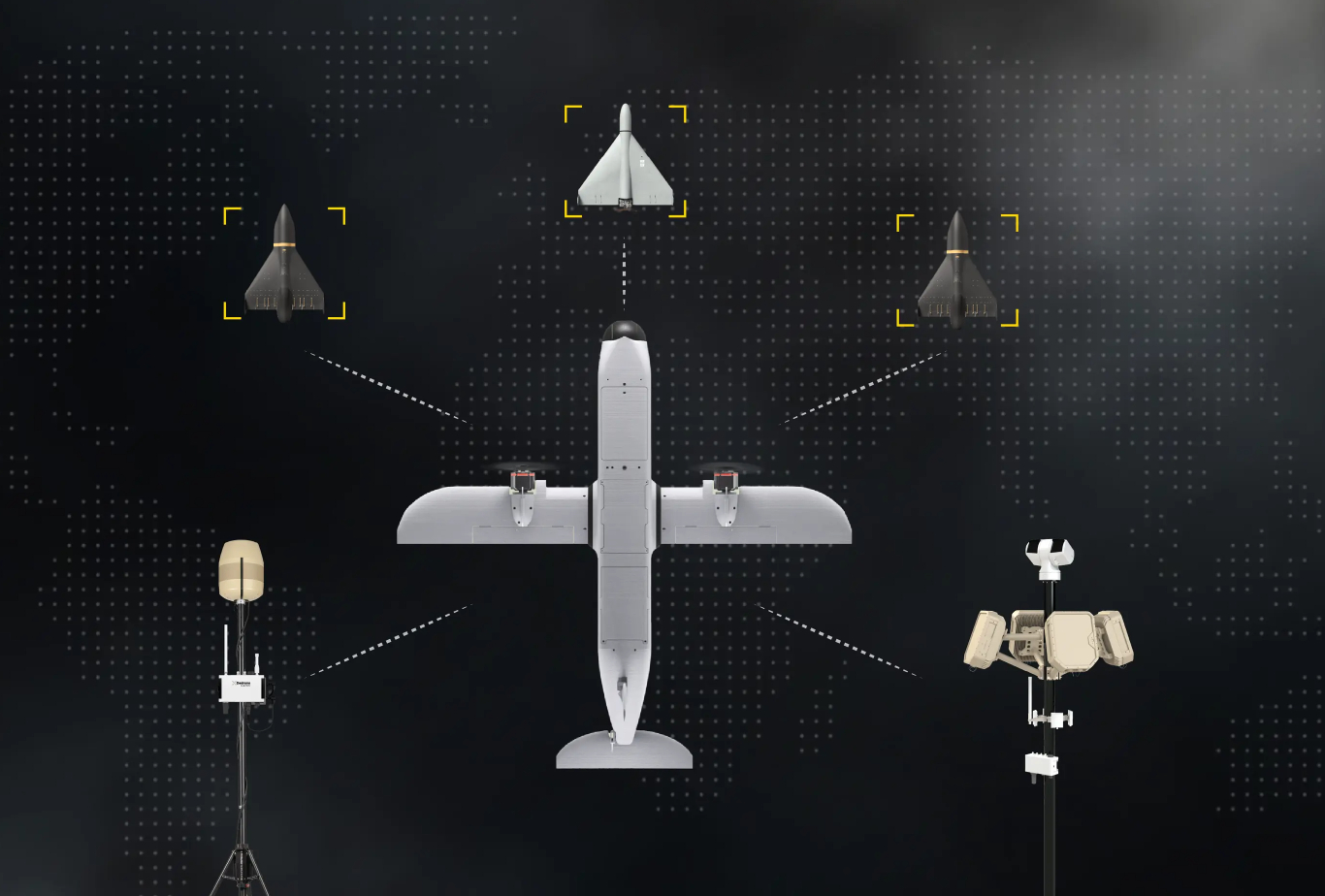
The collaboration combines Dedrone’s AI-driven airspace monitoring platform with TYTAN’s autonomous interceptor systems that can locate, track, and neutralize hostile drones.
Together, the two companies are offering a full-spectrum counter-unmanned aircraft system (C-UAS) that can handle threats from small commercial UAVs to larger, military-grade Group 3 drones.
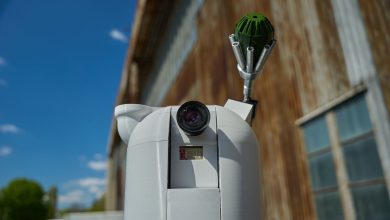
Dedrone’s Tracker.AI platform is already in use in more than 30 countries and is responsible for over 800 million drone detections, according to the company. It integrates radar, radio frequency, optical, and acoustic data into a single airspace view.
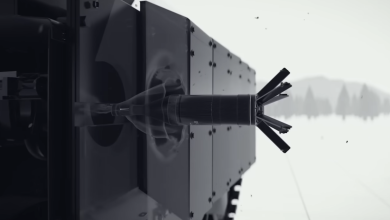
TYTAN’s interceptors add a kinetic response option, allowing NATO partners to move quickly from identifying threats to neutralizing them within seconds.
NATO Expands Efforts to Strengthen Airspace Defense
The partnership comes as NATO members intensify efforts to strengthen air and drone defenses, reflecting lessons drawn from the wars in Ukraine and the Middle East, where small, low-cost drones have proven capable of damaging critical infrastructure and overwhelming traditional defenses.
Germany has commissioned Hensoldt to improve its counter-drone systems in military bases and major airports, combining radar and electro-optical tracking with jamming technology.
France, meanwhile, recently ordered $600-million worth of counter-drone and air defense systems as part of the Military Programming Law 2024-2030.
The European Union is also planning on building a so-called “drone wall” along its eastern border to defend against aerial incursions, particularly from Russia.
The project aims to link radar, sensors, jammers, and interceptor drones into a coordinated detection and defense network.