Boeing and Leonardo have joined forces to bid on the US Army’s Flight School Next training program, which will replace the current helicopter pilot instruction system.
Boeing will lead training design and systems integration, drawing on its experience with AH-64 Apache pilot instruction through simulators, live exercises, and instructor development.
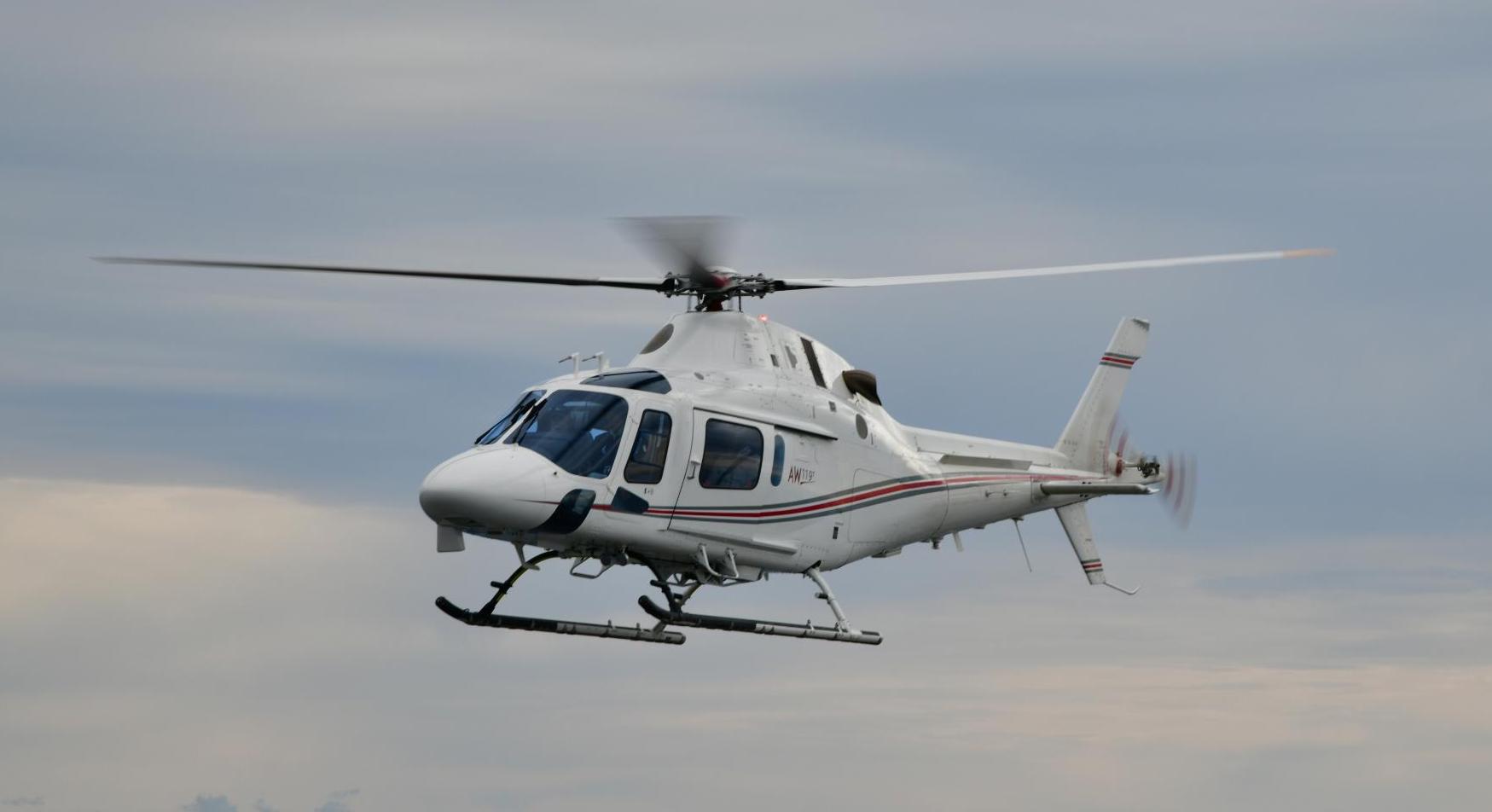
Leonardo will contribute its AW119T helicopter platform, along with maintenance and logistics support from its facilities in Florida and Pennsylvania.
The proposal features a comprehensive contractor-owned, contractor-operated setup that combines aircraft, simulators, instructors, and digital management tools. The companies aim to increase flight hours, improve skill proficiency, and streamline logistics using automated maintenance and flexible scheduling.
The contract would phase out the army’s UH-72A Lakota fleet in favor of a more adaptable, mission-representative training system.
AW119T Training Helicopter’s Role
The AW119T is central to Leonardo and Boeing’s bid for the contract. The single-engine multirole helicopter is built for both training and operational missions. This helicopter is already in service with Israel, Portugal, and Spain, where it’s used for pilot instruction, search and rescue, and surveillance.
The aircraft features dual flight controls, a digital glass cockpit, and night-vision compatible avionics, making it well-suited for advanced training.
More than 130 AW119Ts are in operation under the US Navy, with over 100,000 flight hours, including extensive instrument flight rule missions.
Broader US Efforts to Modernize Pilot Training
The Flight School Next initiative is part of a wider effort by the US Army and other branches to modernize flight training and prepare aircrews for emerging battlefield requirements.
For example, the army is expanding its use of synthetic training environments that blend virtual and live simulations to improve readiness while reducing costs.
The US Air Force has also updated its Undergraduate Pilot Training program, introducing virtual reality headsets, AI-based performance feedback, and data-driven progress tracking to streamline instruction for fighter and mobility pilots.
The approach reduces time in traditional classroom settings and gives trainees more hours in high-fidelity simulators that can replicate diverse aircraft and mission profiles.
The US Navy, meanwhile, is expanding its simulator networks to modernize pilot and crew training.
It recently awarded a $267-million contract to HII’s Mission Technologies division to develop new training curricula, upgrade learning management systems, and provide digital tools that support career growth, and operational readiness for evolving missions.