US Revives WW2-Era Squadron for MQ-9 Reaper Operations in South Korea

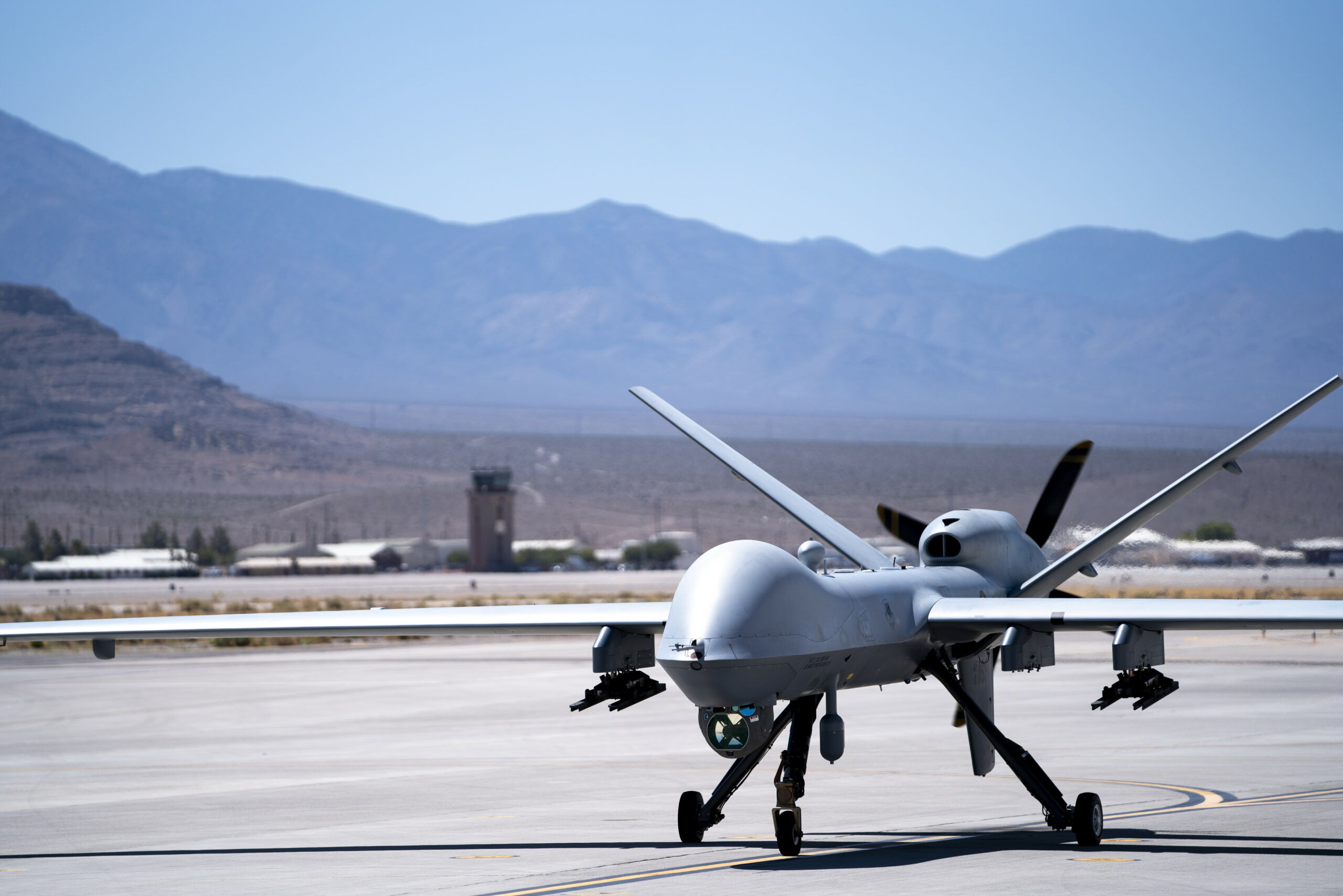
The US Seventh Air Force has reactivated the World War II-era 431st Squadron as an MQ-9 Reaper unit at Kunsan Air Base in South Korea, aligning with July reports that outlined plans for extended deployment.
Headed by Lt. Col. Douglas J. Slater, the 431st Expeditionary Reconnaissance Squadron is the first permanent unit dedicated to the MQ-9 remotely piloted aircraft on the Korean Peninsula. Previously, the US only deployed the Reaper on a rotational basis.
It is intended to “support US-Korean priorities in intelligence, surveillance, and reconnaissance across the lndo-Pacific theater enhancing the joint capability to respond to threats and emerging situations while strengthening our alliance,” according to the service.
The service did not disclose the number of personnel and Reapers in the squadron, citing security concerns.
Meanwhile, the MQ-9 unit was originally known as the 431st Fighter Squadron, which was created in 1943 and deactivated in 1949.
Eye on the Indo-Pacific
The US Air Force typically uses the long-endurance MQ-9 Reaper — with a range of approximately 1,150 miles (1,851 kilometers) and a ceiling of 50,000 feet (15,240 meters) — for intelligence collection, in support of strike, coordination, and reconnaissance missions.
Meanwhile, the Reapers’ deployment to Kunsan Air Base in South Korea’s west is believed to be Washington’s way to monitor Chinese and North Korean activities in the Yellow Sea, noting that the drones can reportedly reach major Chinese cities such as Beijing, Shanghai, Hangzhou, and Qingdao from the base.
“Deploying the MQ-9 brings a powerful capability to the region,” Slater said. “We’re here to support the mission, deepen cooperation, and demonstrate our shared commitment to maintaining security and stability across the Indo-Pacific.”
Rotational Basis
During the Reaper’s past rotational visits to the East Asian territory, it underwent training exercises, including test-firing inert GBU-12 munitions against targets and maintainers sharing techniques to enhance readiness.
In July and August 2025, Republic of Korea Air Force personnel trained with US troops in using surveillance data in joint operations and familiarizing South Korean crews with flightline issues encountered during extended missions.