The Royal Navy has declared two drones, the Malloy T-150 uncrewed aerial system and the Peregrine rotary-wing uncrewed aerial system, to be ready for frontline operations.
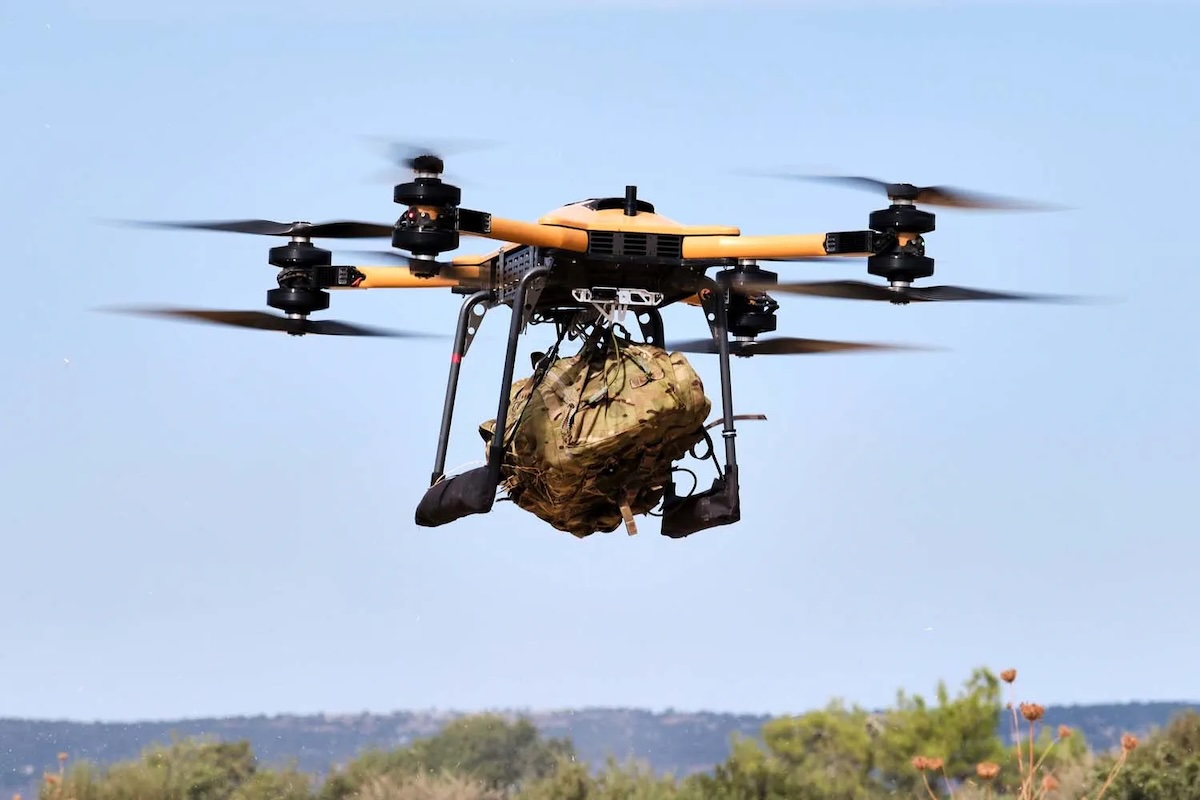
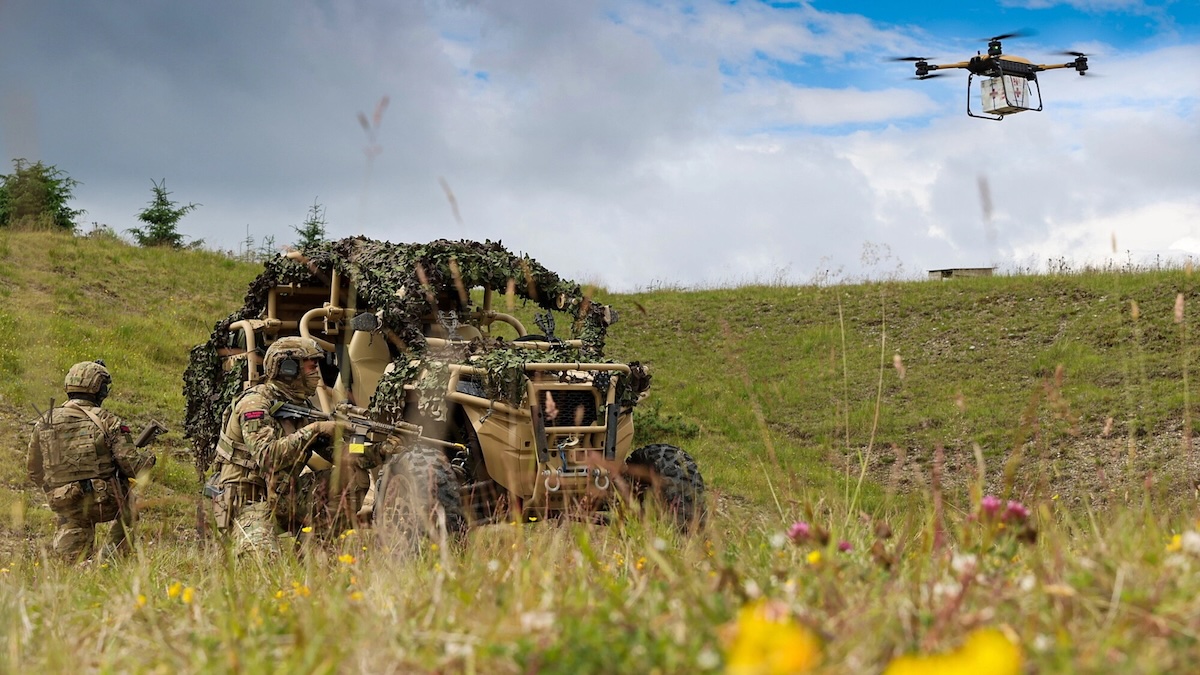
Malloy Aeronautics developed the T-150 together with the Royal Navy. It will now be used to transport various supplies, including medical and ammunition, to the Royal Marines Commando in all weather conditions and in complex terrain.
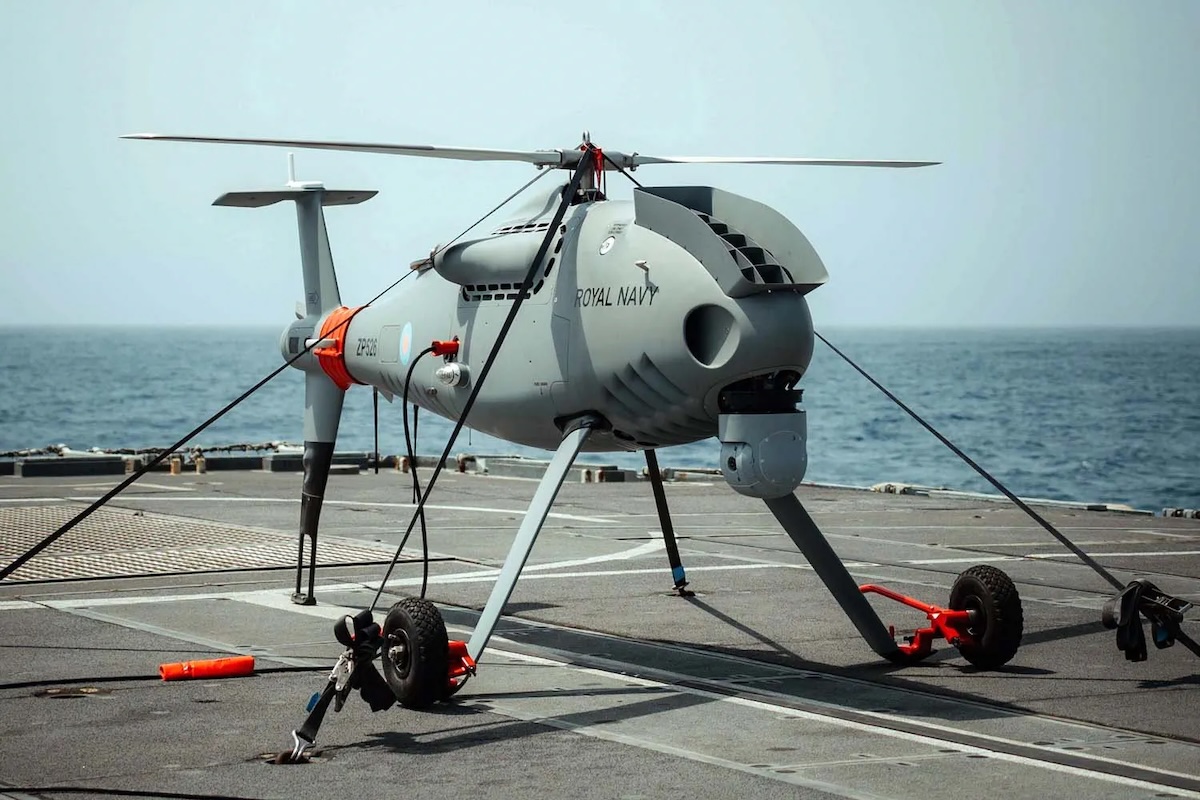
Meanwhile, the Royal Navy teamed up with French company Thales and Austrian firm Schiebel to develop the Peregrine, which will be deployed to extend the intelligence, surveillance, and reconnaissance (ISR) capabilities of warships.
The announcement follows a series of successful tests and development.
“The UK Release to Service of our T-150 platform is a milestone we’re incredibly proud to be a part of,” Malloy Aeronautics CEO Neil Appleton expressed.
Marie Gayrel, Thales VP ISR Business Line, echoed a similar sentiment: “As Thales, along with Schiebel, we are proud to partner with the Royal Navy in delivering the Peregrine capability.”
T-150
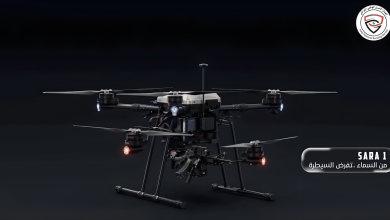
Featuring eight rotor blades, the T-150 can lift and deliver up to 68 kilograms (150 pounds) of load, making it suitable for various missions including resupply and replenishment at sea.
It is operated by a crew of two and flies up to 60 miles (97 kilometers) per hour at distances ranging from 8 to 45 kilometers (5 to 28 miles), depending on payload and weather conditions.
In a test earlier this month, the Navy achieved its first-ever drone-based logistics resupply between two warships using the T-150, advancing an efficient alternative to naval helicopters and boats.
“The T-150 has great potential for broader use-cases as we have recently seen in operational theatres and on the Carrier Strike deployment,” said Brigadier Chris Haw, Head of the Commando Forces Programme.
Peregrine
Schiebel secured a contract in February 2023 to deliver its S-100 Camcopter drone for the UK defense ministry’s Peregrine program.
It features the Thales I-Master radar, providing all-weather, persistent surveillance along with tracking and identification of threats in the maritime domain.
In February 2025, the Peregrine was deployed from the HMS Lancaster (F229) frigate for its first counter-narcotics mission in the Middle East.
Captain Dave Gillett, Head of Navy Develop’s Maritime Aviation & Carrier Strike, called the Peregrine’s addition into service a “game-changer for our service fleet.”
“Its successful deployment with HMS Lancaster shows how uncrewed systems can deliver real operational advantage, extending our surveillance reach and enhancing our decision-making in theater,” he said.