Canadian firm ZenaTech has launched a new Quantum Computing Division to advance research in next-generation defense and drone systems.
The division will focus on applications such as encryption, secure communications, navigation without GPS, and AI-driven fleet management for surveillance and reconnaissance missions.
It begins with 12 specialists in quantum hardware, machine learning, physics, and engineering, and plans to grow to 20 by the end of the year.
Beyond software applications, the team will also work on hardware innovations, focusing on analyzing large volumes of drone data more efficiently, improving weather forecasting, and enhancing the prediction of extreme events.
“We believe quantum computing will be a defining force in the next era of defense and aerospace innovation,” said CEO Shaun Passley.
“By advancing cybersecurity, secure communications, next-generation navigation, and massive-scale data processing, we are preparing our drone platforms for the challenges of tomorrow and contributing to America’s global defense leadership.”
Additionally, ZenaTech’s Quantum Computing Division will continue work on two ongoing projects.
The first, Sky Traffic, uses AI-enabled drones and quantum computing to manage air traffic and support government public safety efforts.
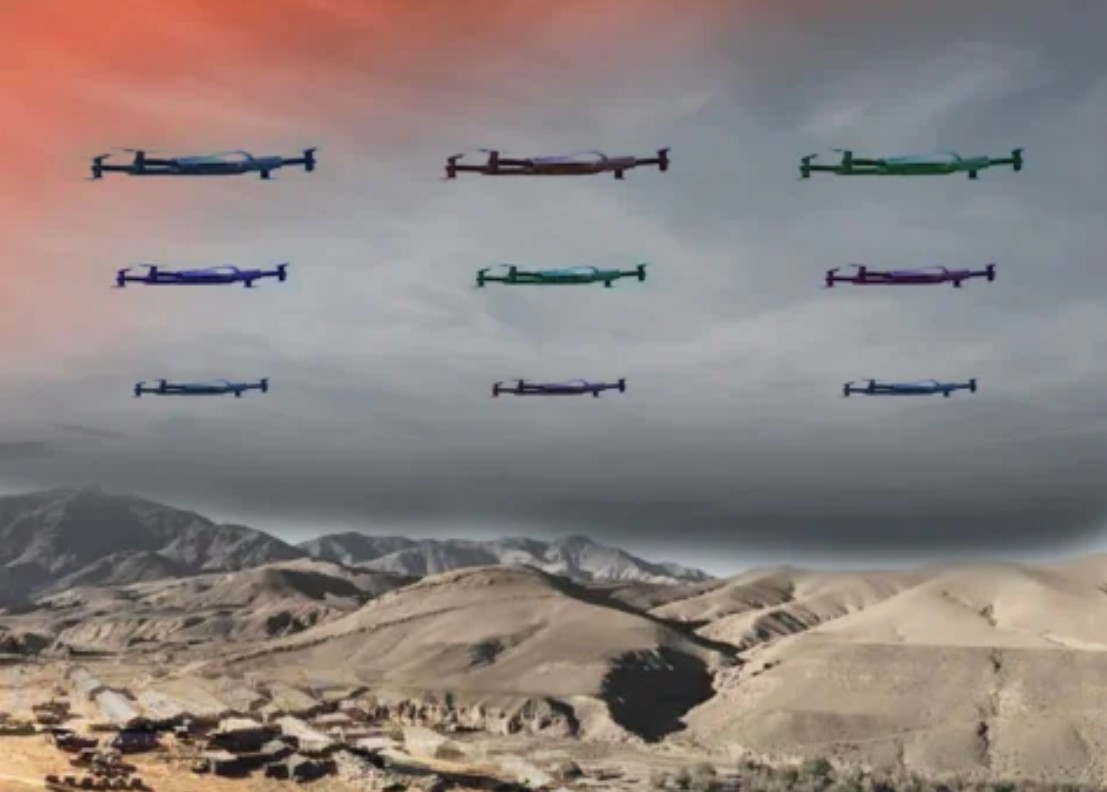
The second, Clear Sky, leverages drone swarms and quantum computing to improve local weather forecasts and predict extreme events, helping reduce risks to people and economic losses.
Quantum Technologies
Defense organizations worldwide are increasingly investing in quantum technologies.
Earlier this month, Forward Edge-AI was granted a US patent for a fog computing system designed to secure battlefield data even when networks are degraded or under attack.
Developed in collaboration with the National Security Agency, the system integrates quantum-resistant encryption with built-in anomaly detection.
In June, Leidos announced that it is working on an alternative navigation system that utilizes the Earth’s magnetic field as a reference, paired with quantum sensing, to navigate areas where GPS signals are unavailable.
Known as Magnetic Navigation, the system utilizes quantum mechanics to detect variations in the magnetic field, enabling precise positioning in challenging environments.