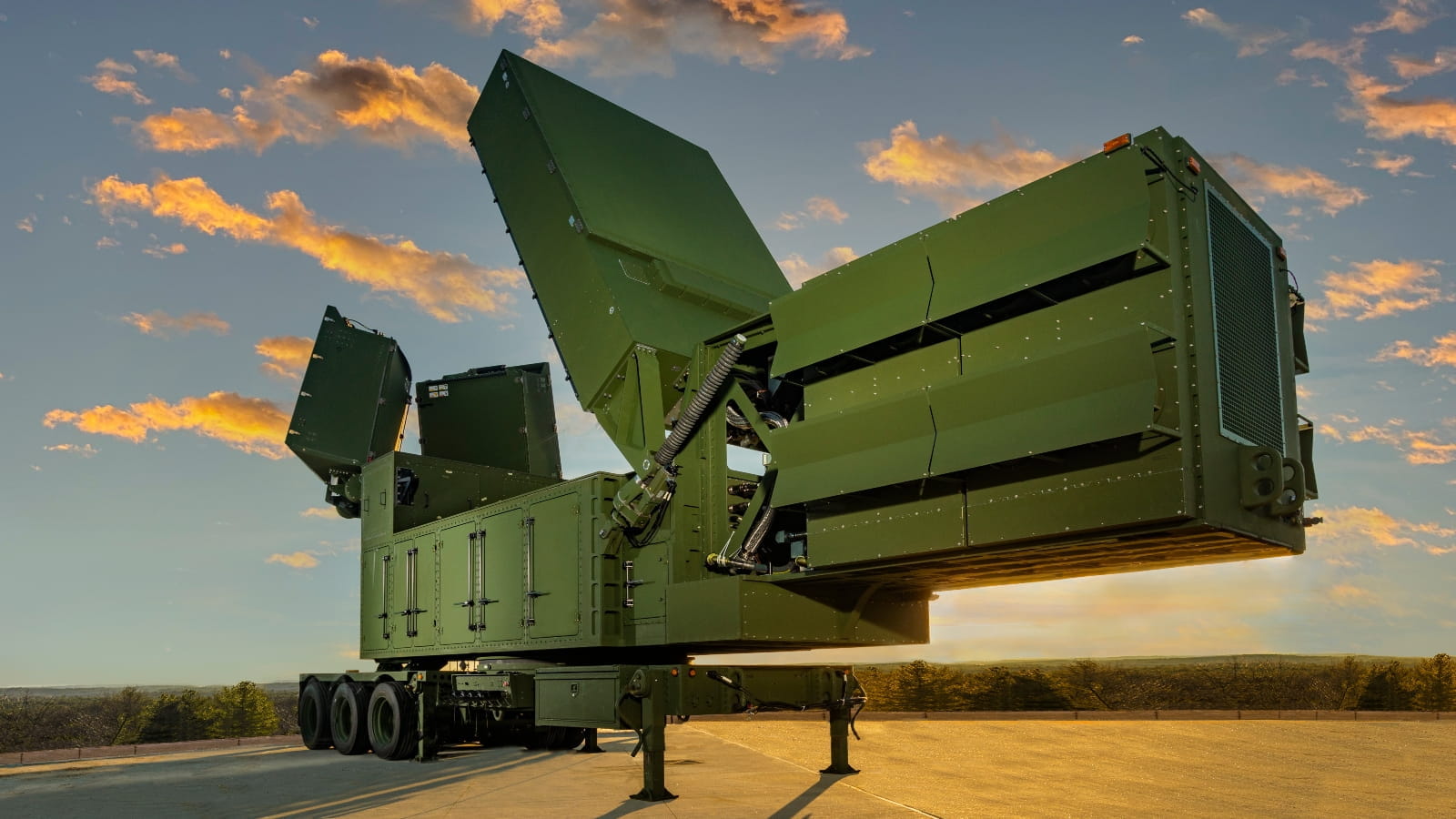
The US Army’s Patriot radar replacement, the Lower Tier Air and Missile Defense Sensor (LTAMDS), has achieved a series of milestones during a recent missile flight test at the White Sands Missile Range.
It detected, tracked, and classified an air-breathing surrogate target through the Integrated Battle Command System (IBCS), which commanded a Patriot Advanced Capability-3 Missile Segment Enhanced interceptor against the simulated threat.
The engagement marked the first time a Large Tactical Power System was integrated with an LTAMDS and the first time the system successfully detected and engaged an air-breathing target using its secondary sector array instead of its primary array.
In addition, it was the first mission executed using IBCS low-rate initial production (LRIP) hardware, which forms part of the US Army’s Integrated Air and Missile Defense System.
The missile flight test followed after RTX was cleared to begin the LRIP of the LTAMDS in April.
“This test demonstrates the LTAMDS’ next evolution in capability growth towards delivering a state of the art 360-degree sensor for the Army’s Integrated Air and Missile Defense architecture,” said LTAMDS Product Manager LTC Farmer.
“LTAMDS remains focused on developing and testing at the speed of relevancy in support of fielding a robust, all-around defense capability the warfighter needs to fight and win when called upon.”
Last month, the service announced plans to add up to four new Patriot battalions with the LTAMDS, boosting effectiveness in detecting and tracking a variety of aerial threats, including cruise missiles, hypersonic threats, short-range ballistic missiles, and drones.