Ukraine Turns Frontlines Into Testbed for Foreign Military Tech, Draws 45 Potential Collaborators

Government-backed defense technology accelerator Brave1 has received applications from 45 international companies to join its “Test in Ukraine” program since the initiative launched this month.
Created in 2023, Brave1 connects military units, startups, investors, and regulators to speed the development and deployment of battlefield-ready solutions.
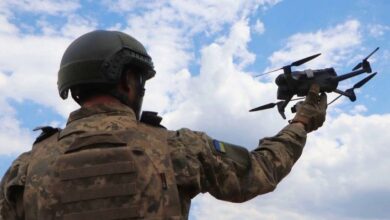
The initiative allows foreign firms to test their products on Ukraine’s front lines or delegate evaluations to Brave1, with troops conducting trials and providing feedback. It also oversees demonstrations after an online briefing and delivers detailed reports to participants.
Applicants include firms from Australia, North America, Taiwan, and the UK, a Brave1 spokesperson told DSEI Gateway. Interest then surged after Ukraine’s Deputy Prime Minister and Minister of Digital Transformation, Mykhailo Fedorov, unveiled the program in late July.
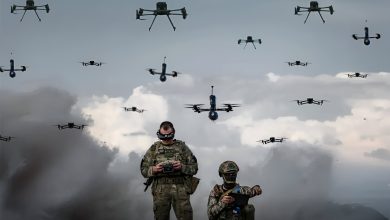
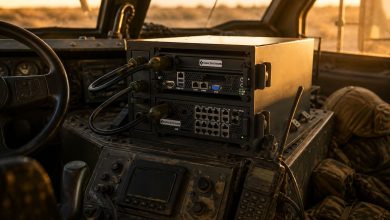
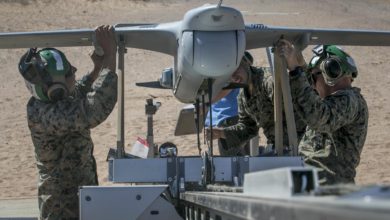
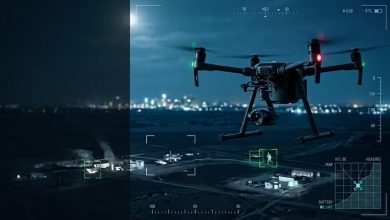
Brave1 is centered on 10 priority categories for testing, including unmanned aerial systems, unmanned ground vehicles, counter-drone systems, naval drones, AI, machine learning, electronic warfare, and signals intelligence. Ammunition, lasers, missiles, navigation, and propulsion technologies are also eligible.
Supporting requirements of interested industry partners include pricing details, technical specifications, product benefits, and a high-quality media kit.
Brave1 has set no deadline for the program and continues to accept applications through its portal.
Unique Testing Opportunity, Combat Preparation
Brave1 Head Andrii Hrytseniuk, who announced the organization’s milestone at a defense equipment convention in Lviv, said that the Test in Ukraine framework allows foreign collaborators “a unique opportunity not just to test the product, but to get real feedback and improve the technology in the shortest time.”
He also highlighted that the initiative deepens defense cooperation with Europe, noting that Ukraine’s battlefield-tested innovations, combined with Europe’s scientific and technological capacity, are critical to building a partnership capable of addressing evolving security challenges.
“No one knows when the war can cross EU borders, so our common mission is to be as prepared as possible today,” he said. “Time is running out, and we must move quickly, learn, and integrate Ukraine’s experience to improve EU defense technology.”