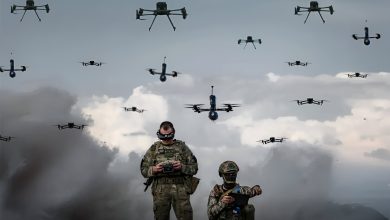
The US Army has formed a competitive drone team based at Fort Rucker, in Alabama, composed of soldiers and civilians from across the army.
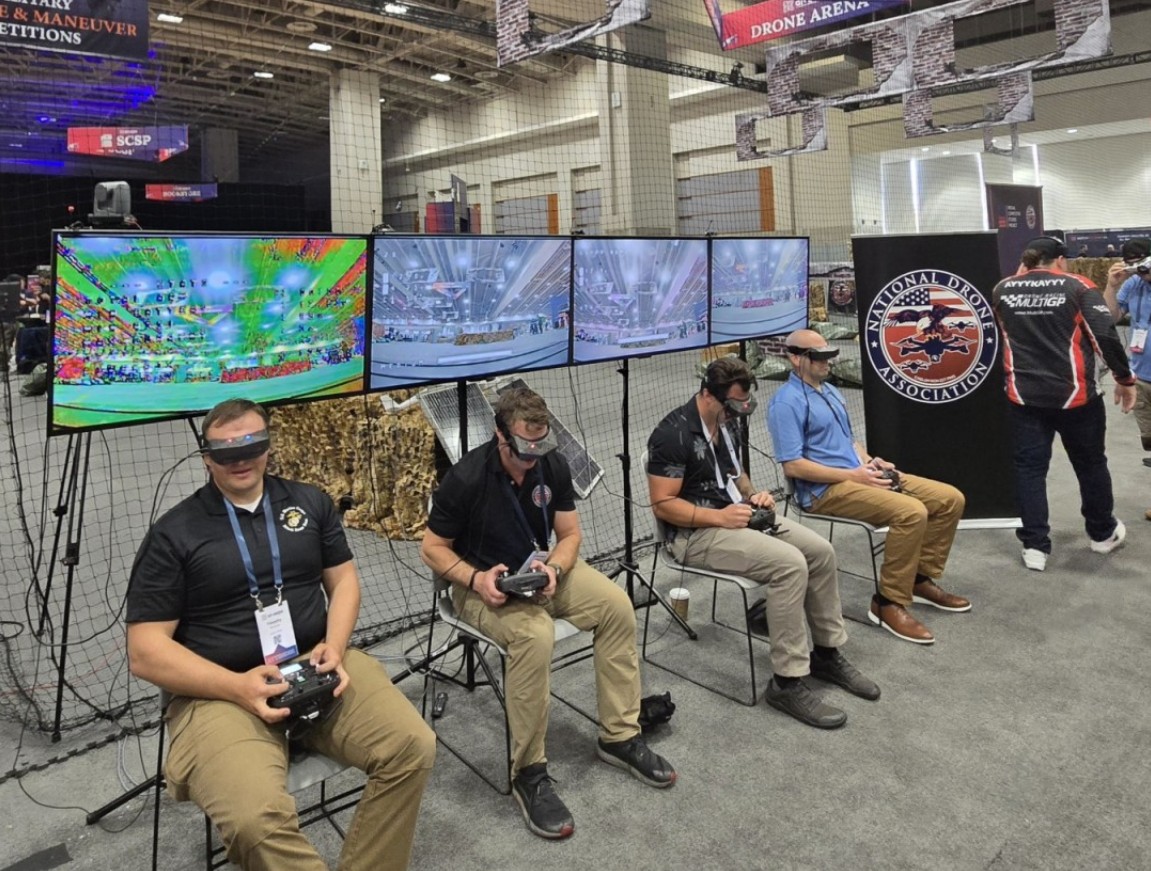
The team first competed at the AI+Expo for National Competitiveness in Washington, DC.
The competition included a first-person view drone racing initiative, where operators pilot drones at high speed through 3D courses using virtual reality-style goggles connected to onboard cameras.
Upcoming events include the USNDA Crucible, where Department of Defense (DoD) teams will compete in tactical mission simulations based on real-world military and civil operations.
Teams will have access to a range of systems approved by the DoD, as well as commercial off-the-shelf models and experimental drones that are not yet publicly available.
The US Army stated that, as part of the initiative, the team will provide direct feedback to capability developers, who will then communicate with manufacturers.
It added that being based at Fort Rucker enables the team to maintain close contact with aviation experts and manufacturers, helping to shape the military’s future equipment and operational needs.
US Boosting Drone Capabilities
Washington is accelerating efforts to rapidly prototype and deploy advanced unmanned aerial systems (UAS) as their use in combat becomes increasingly widespread.
Earlier this month, the US Coast Guard completed operational testing of the V-BAT VTOL drone, confirming it meets all required standards for future deployment.
Full lifecycle support and development were contracted to Shield AI in July last year.
Also this month, researchers at the University of Cincinnati began developing a drone inspired by the albatross.
The system is designed to autonomously adjust to changing wind conditions for extended flight efficiency.
These initiatives align with the Blue UAS program, launched in 2020, which is an ongoing effort to rapidly evaluate and approve drone technology for the DoD.
It focuses on maintaining and updating a roster of approved drones to address the military’s evolving requirements.