The US Army has selected the latest version of Virtual Battlespace 4 (VBS4) from Bohemia Interactive Simulations, a subsidiary of BAE Systems, to enhance its virtual training capabilities.
Delivered under a contract modification within the US Army’s ongoing Games for Training (GFT) program, the VBS4 upgrade supports efforts to enhance simulation-based mission rehearsal, tactical training, and leadership development across the armed forces.
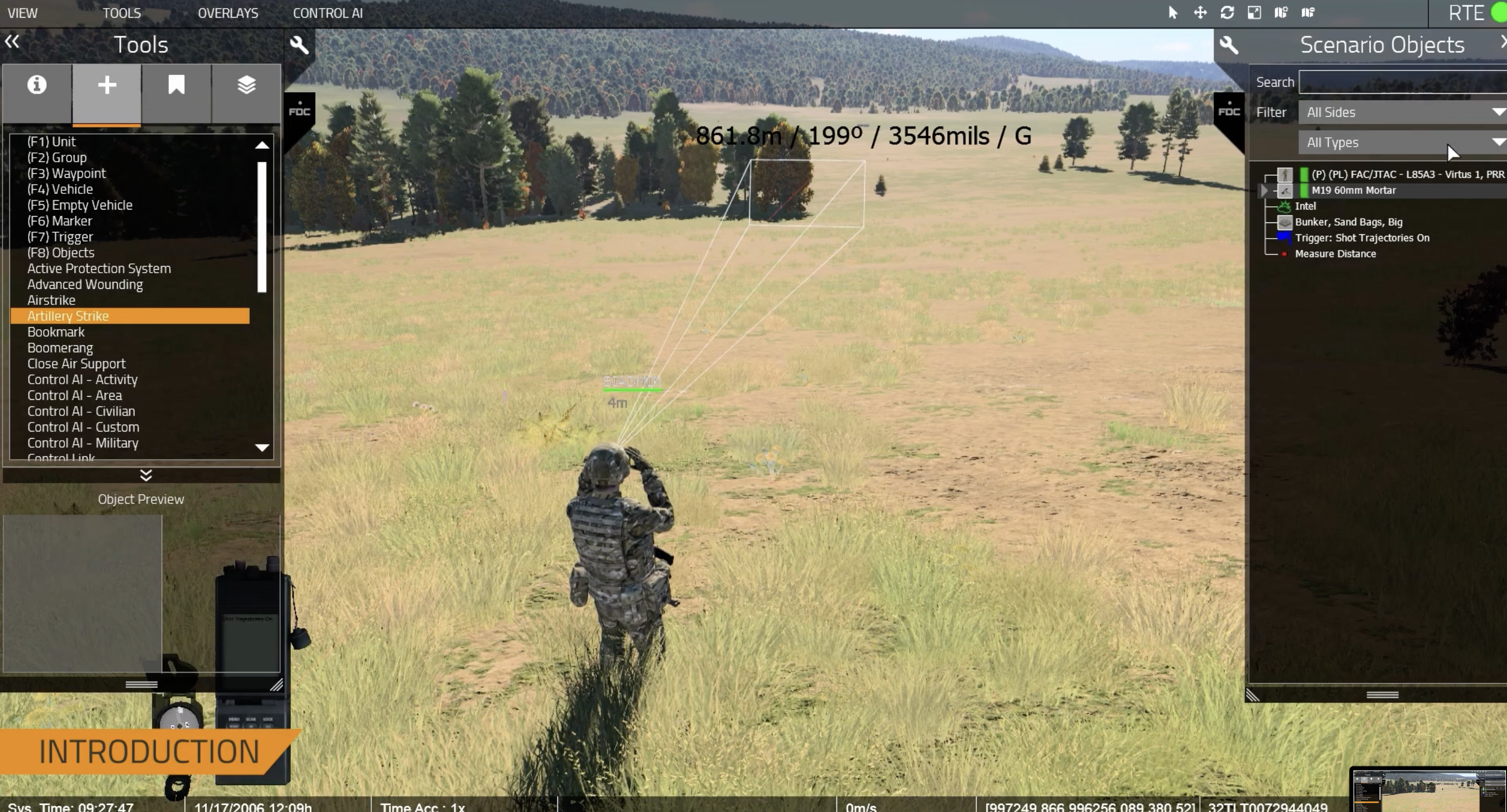
It introduces improved graphics, better networking, a streamlined interface, and global terrain access to support more scalable and flexible training environments.
“Upgrading to VBS4 allows us to take full advantage of the latest advancements in virtual game training technology,” said David Perez, US Army GFT program manager.
“Our mission is to ensure soldiers are trained and ready for the complexities of the modern battlefield. With VBS4, we’re delivering a flexible, immersive game platform that supports the Army’s push for leaner, more lethal formations and the rapid integration of emerging technologies into training,” added Perez.
Virtual Battlespace 4
VBS4 is a desktop-based military simulation platform that enables users to design, execute, and assess virtual training scenarios in a fully-rendered whole-earth environment.
It supports tactical training, mission planning, and after-action reviews, functioning as both a training interface and a simulation host.
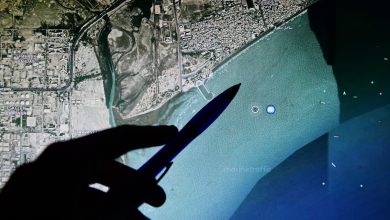
During the preparation phase, users can load any location on the virtual globe within seconds, with automatically generated roads and buildings.
The system allows users to edit the terrain using a simple interface and built-in geo-typical models to create a detailed environment in about 10 minutes.
For more complex scenarios, users can import geo-specific structures from external modeling tools and place them into the simulation within 10 hours.
In the execution phase, commanders can issue AI-driven orders and modify scenarios in real-time, while trainees operate avatars from a first-person perspective.
Communication tools simulate radio use for realistic coordination and collaboration.
During assessment, scenarios can be replayed in both 2D and 3D.