BAE Multi-Rotor Drone Fires APKWS Munitions in First Air‑to‑Air Test

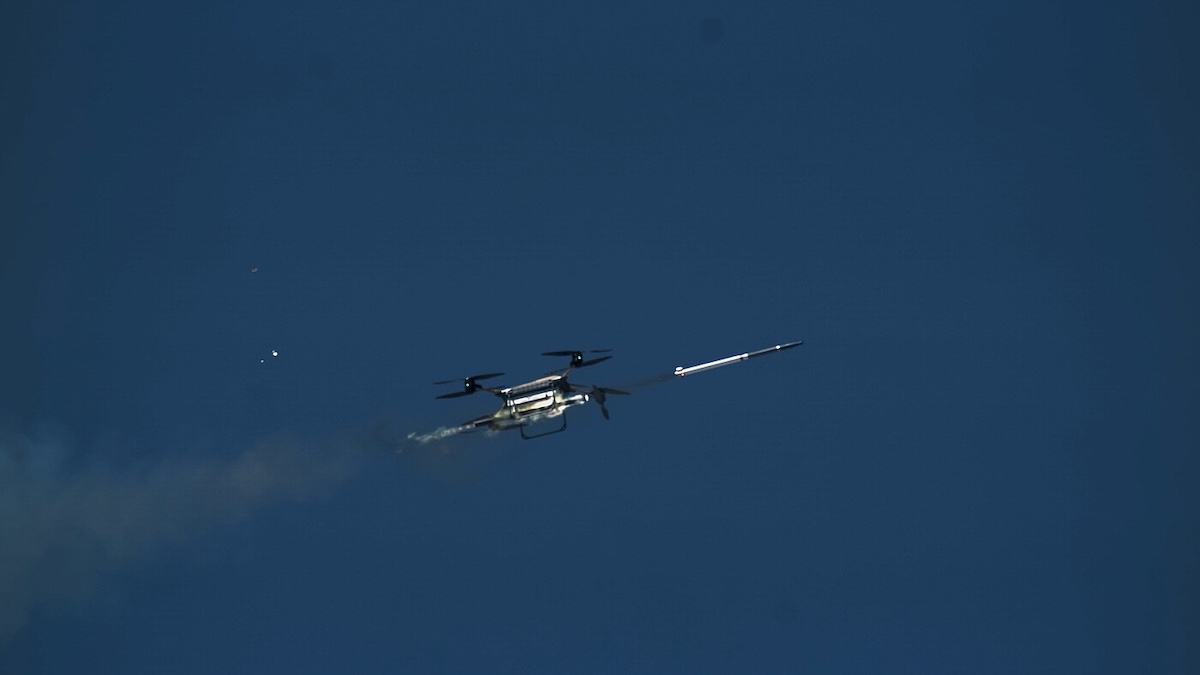
BAE Systems has successfully test-fired a laser-guided munition from its multi-rotor uncrewed aerial vehicle, marking the first air-to-air engagement of its kind.
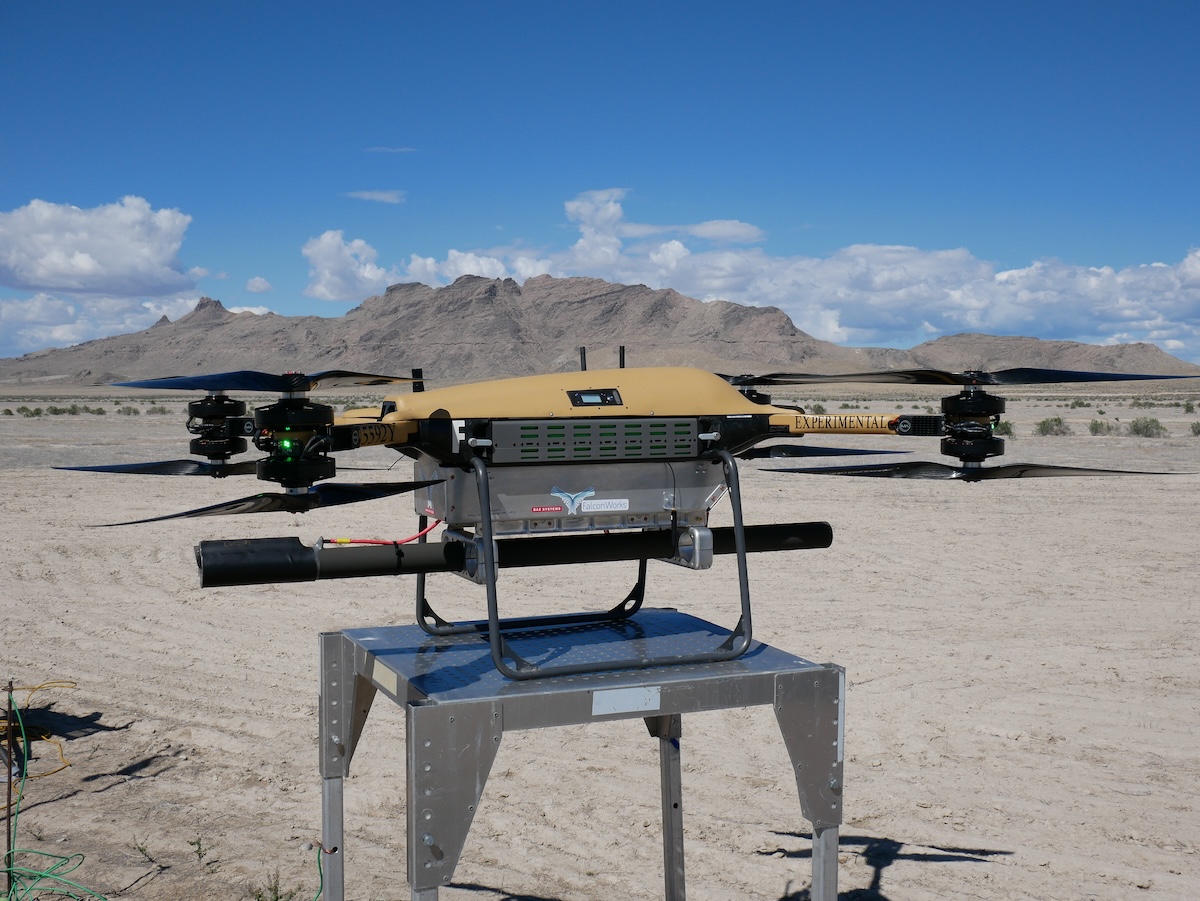
The company’s TRV-150 drone launched rockets equipped with the Advanced Precision Kill Weapon System (APKWS), striking both air and ground targets with zero misses, in trials held at the US Army Dugway Proving Ground in Utah.
Before this milestone, APKWS-guided munitions were traditionally launched from manned fixed-wing and rotary-wing platforms, such as the AH-64 Apache helicopter and the F-16 Fighting Falcon combat aircraft.
This development expands the guidance system’s operational deployment and flexibility, as it can now be launched from both crewed and uncrewed platforms.
BAE Systems’ FalconWorks Business Development Director Anthony Gregory highlighted how the trials “have significantly advanced our ability to deliver this new tactical option at a fraction of the cost of conventional means.”
TRV-150 Drone
BAE Systems, in partnership with US-based SURVICE Engineering, developed the TRV-150 drone.
It was derived from the Malloy Aeronautics-designed T-150 logistics drone, a multi-rotor uncrewed aerial system that can carry up to 150 pounds (68 kilograms) of supplies in all weather conditions.
However, it can also be reconfigured into a strike platform in less than an hour.
“While originally designed as a tactical edge logistics drone, adding strike packages to different variants of the TRV is a natural extension that leverages an already-fielded UAS as a multi-role offensive and defensive asset,” SURVICE Engineering President Greg Thompson said.
APKWS
APKWS rockets, priced at roughly $22,000 per unit, offer a cost-effective counter-drone option compared to high-end systems like the Patriot missile.
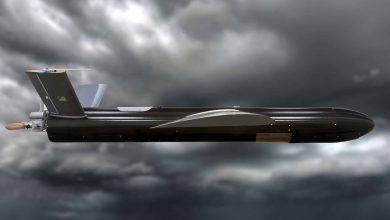
The combat-proven APKWS guidance kit transforms unguided rockets into munitions that can engage armored, stationary, and moving targets from 6 kilometers (3.7 miles) away with pinpoint accuracy and minimal collateral damage.
Powered by a Mk66 Mod 4 rocket motor, the system can achieve speeds of up to 1,000 meters (3,280 feet) per second.