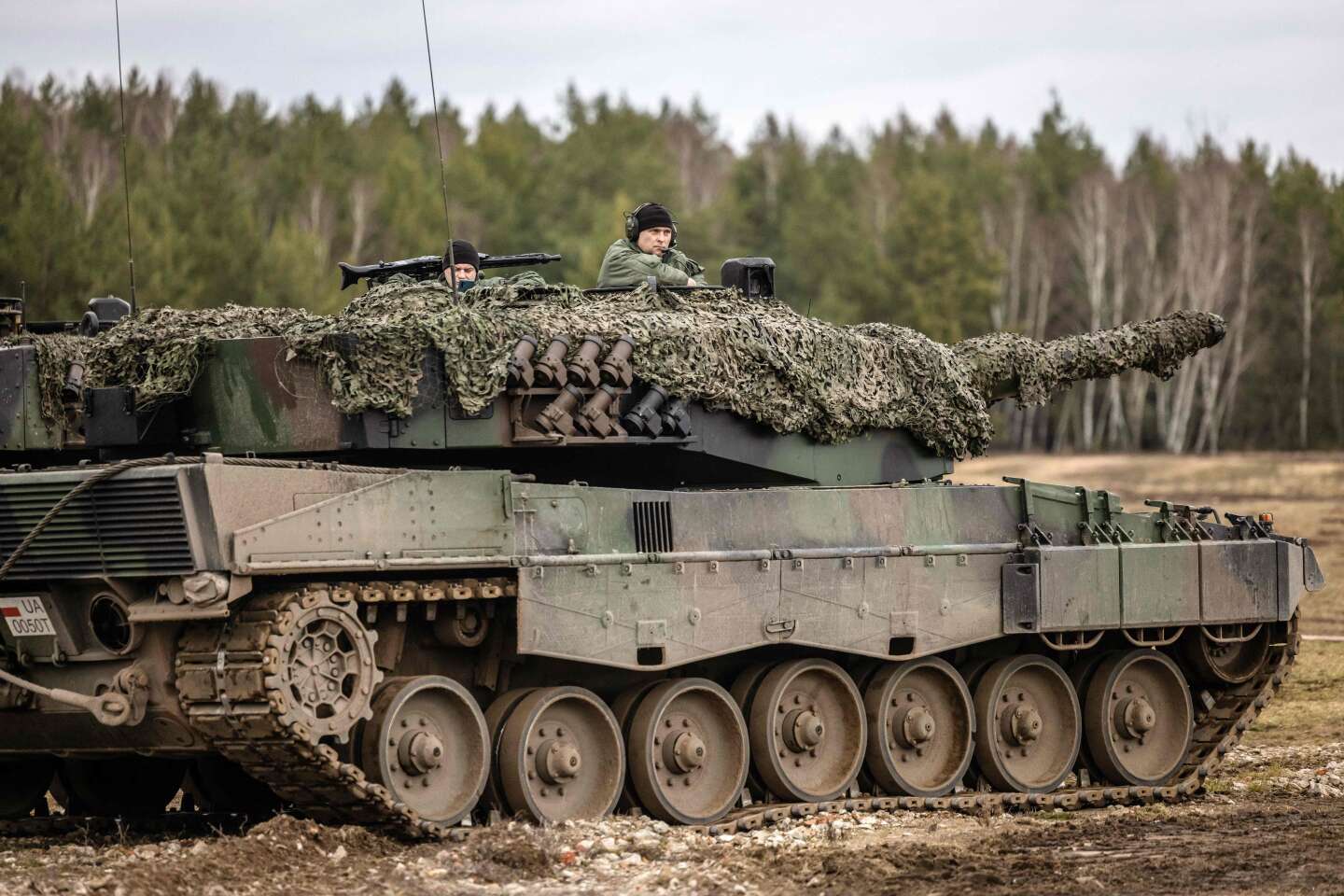
The US and NATO allies have rolled out the “Eastern Flank Deterrence Line,” prioritizing ground-based capabilities and weapons interoperability as a bulwark against Russian aggression.
General Christopher Donahue of the US Army Command in Europe and Africa unveiled the plan at the inaugural LandEuro two-day conference in Wiesbaden, Germany.
The initiative is being piloted in the Baltic region to clarify defense requirements for alliance members and industry partners, Defense News reported.
Eastern Flank Deterrence Line
General Donahue emphasized the evolving importance of ground forces in the strategy, noting how land-based systems have taken down anti-access, area-denial (A2AD) zones and engaged naval threats.
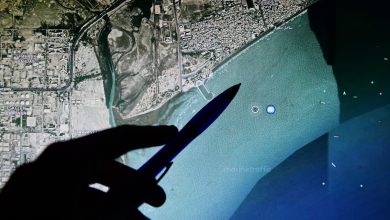
He mentioned how such systems can dominate in areas like Kaliningrad, an approximately 47-mile-wide (76-kilometer-wide) Russian exclave bordered by NATO members Poland and Lithuania and the Baltic Sea.
The plan also includes cloud-based coordination, data sharing, and real-time battlefield awareness across allies.
NATO has already adopted Palantir’s Maven Smart System, an artificial intelligence platform that rapidly processes large amounts of data to assist decision-making.
Furthermore, the plan stresses the importance of technological interoperability. The US Army is pushing for common launchers used in offense and defense, as well as universal fire control systems.
The service is eyeing “everything to be optionally manned,” according to Donahue.
Finally, he highlighted that everything must be cost-effective.
“Whatever you’re shooting at, whatever your weapon system or munition you shoot at, another adversary’s capability, it should be cheaper than what you’re shooting.”
While bureaucracy remains a challenge, the general said that reforms to foreign military sales are underway to reduce friction.