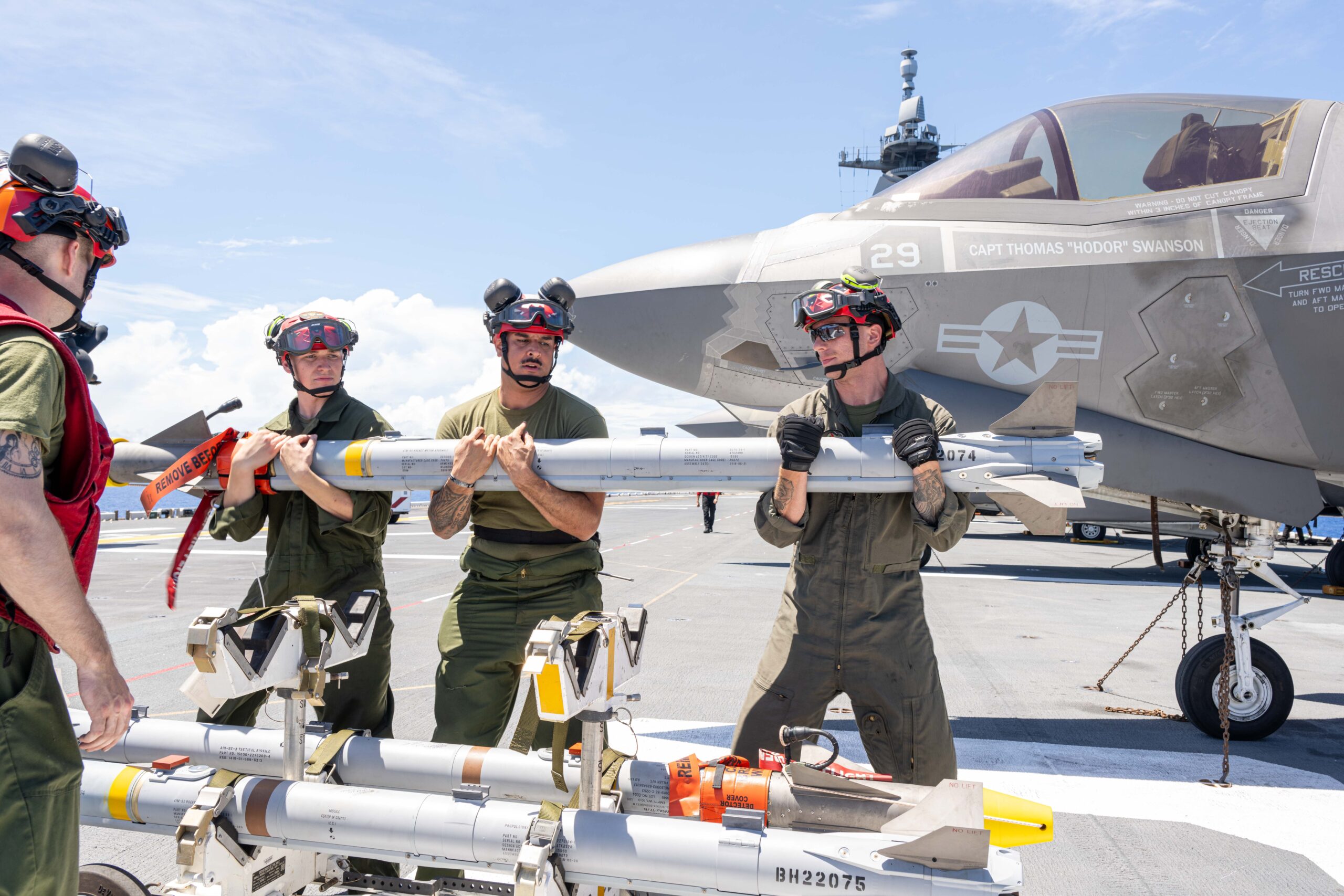
The US Missile Defense Agency (MDA) is considering the use of the Air Intercept Missile (AIM) 174B “Gunslinger” air-to-air missile as a primary solution against hypersonic threats.
The strategy is part of the US government’s effort to conceptualize, produce, and review potential assets that can be integrated into other developmental hypersonic defense technologies.
Products from this effort are expected to deliver “wide area effect,” complementing existing and future weapon systems such as the RIM-161 Standard Missile-3, RIM-174 Standard Missile-6, and PAC-3 MSE.
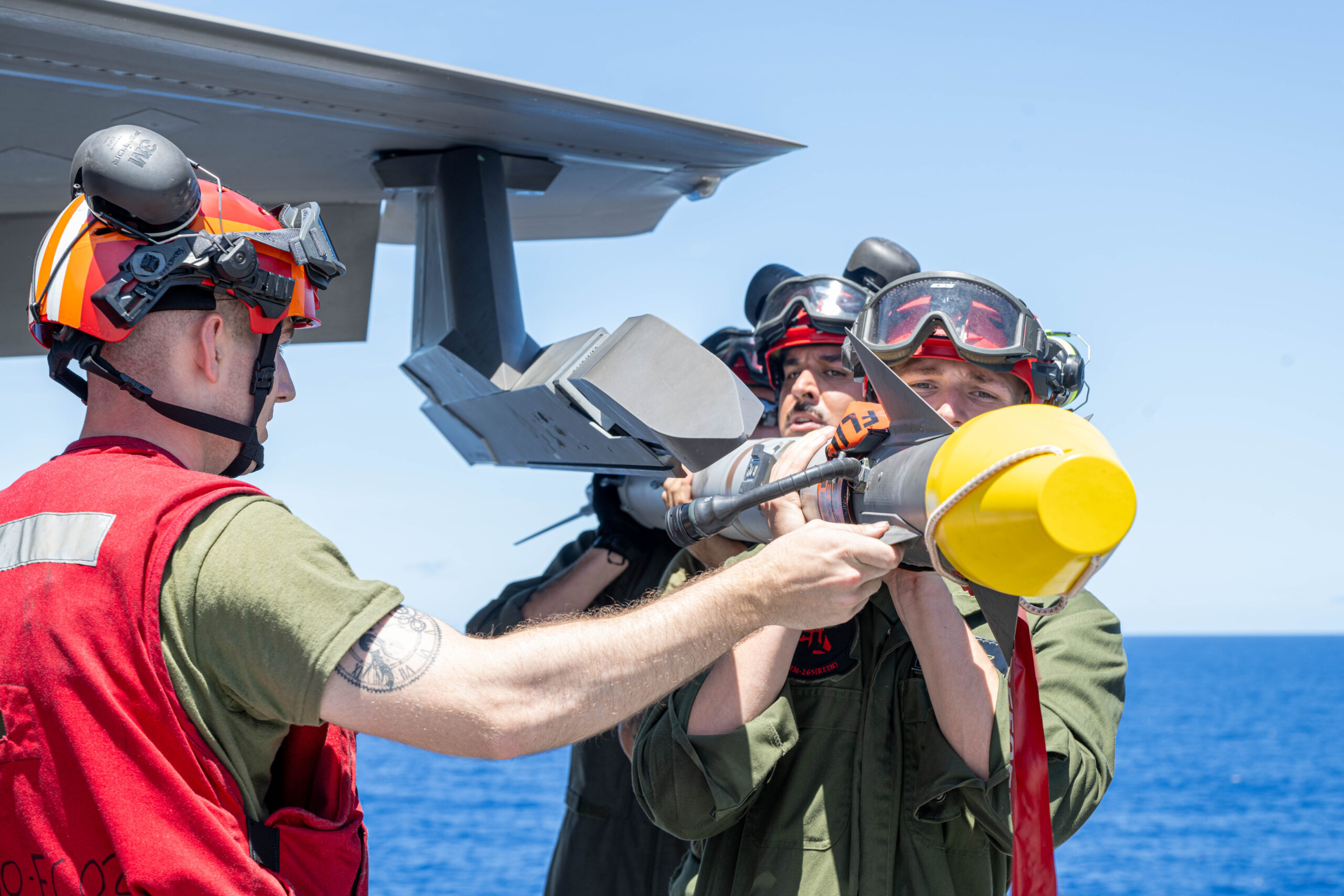
A report from Naval News said that the agency wants the AIM-174B as the air-launched delivery vehicle, with the project’s actual warhead payload to be sourced through proposals.
MDA’s selection of the missile system is driven by its next-generation compact design compared to its precursor, the Standard Missile-6 (SM-6), which was developed for US Navy surface-to-air attacks.
While the SM-6 has served as the force’s sole deployed defense against hypersonic threats since 2022, it remains constrained by the legacy MK 72 first-stage booster, which limits its size and operational performance when launched from naval platforms.
The AIM-174B
The AIM-174B was developed with Raytheon to add a Standard Missile-6 air-to-air variant into the US Navy’s inventory.
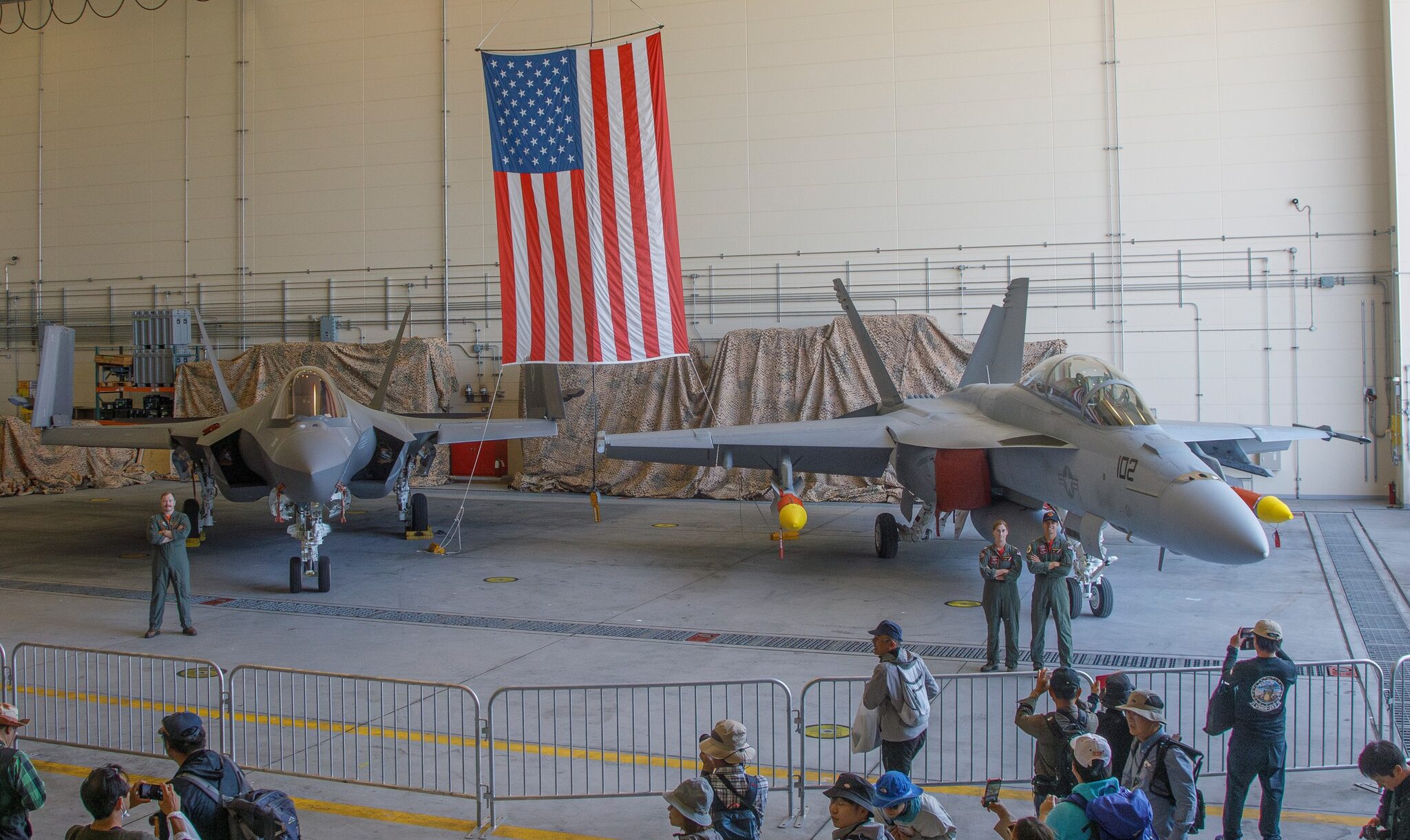
This new warhead was introduced in July 2024 and has since been considered highly compatible with the Boeing F/A-18E/F Super Hornet supersonic multirole aircraft.
It measures 16 feet (5 meters) long, has a diameter of 14 inches (36 centimeters), a wingspan of 62 inches (157 centimeters), and a weight of about 140 pounds (54 kilograms).
The missile incorporates an inertial guidance device, terminal active and semi-active radar homing, uses a radar fuze and contact/impact/proximity fuze as the detonation mechanism, and is powered by a solid-propellant rocket motor.
It has a top speed of Mach 3.5 (2,685 miles/4,322 kilometers per hour) and a range of 130 nautical miles (150 miles/241 kilometers).