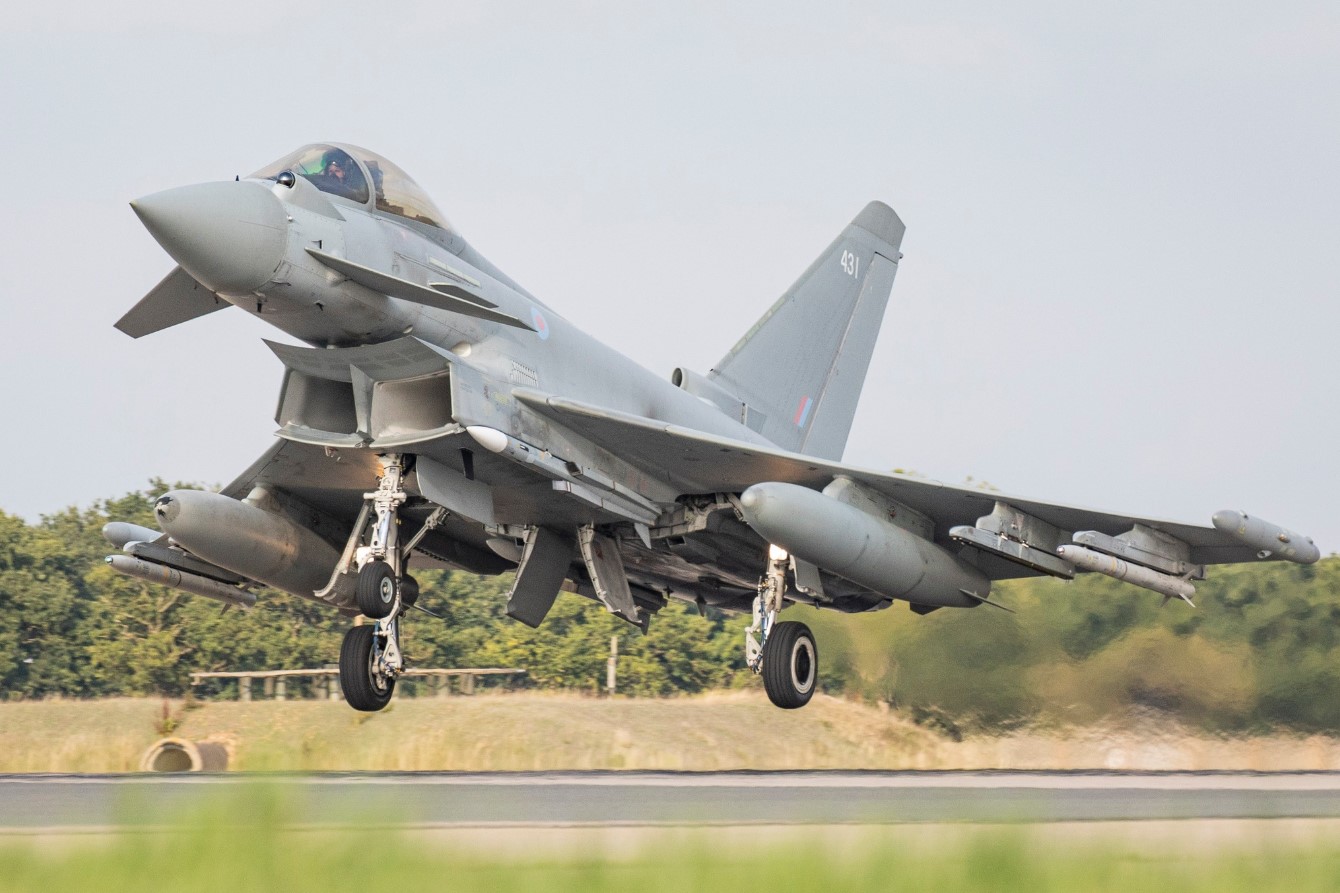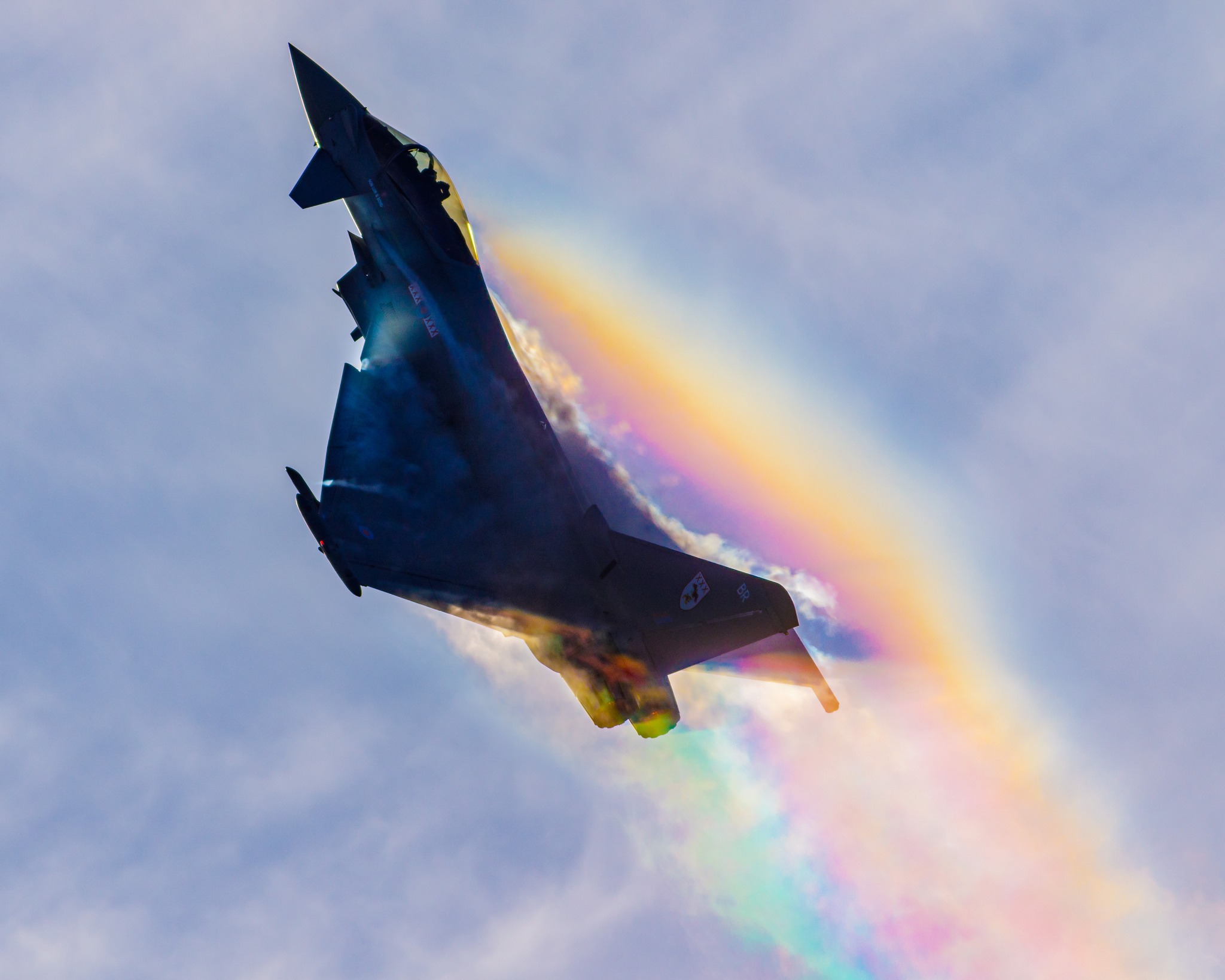
BAE Systems and Sweden-based Avioniq are testing an AI-enabled capability aboard the Eurofighter Typhoon to reinforce the combat aircraft’s threat protection.
The ongoing evaluation at BAE Systems’ facility in Warton, Lancashire, focuses on “Rattlesnaq,” a software designed to relay key decision-support information for aircraft, command and control networks, and simulators.
The capability is backed by Avioniq’s missile library to interpret a safe flight course away from the range of enemy warheads during beyond visual range operations.
Avioniq noted in its product portfolio that the proprietary AI technology is a “cost-effective investment” that sustains “superior situation awareness” without risking pilot workload and focus in both offensive and defensive scenarios.
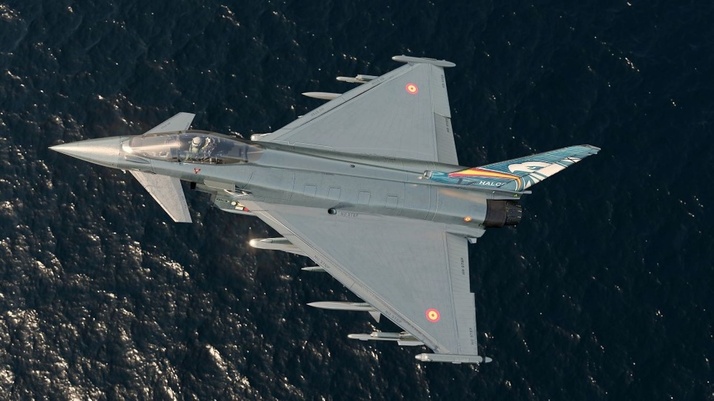
“The combination of advanced modelling and verifiable AI delivers real-time, edge-based threat assessments directly to the aircraft,” said Mikael Grev, a former Swedish military pilot and CEO of Avioniq.
“This means a single aircraft can deliver greater force-multiplying effect, defeating a wider range of threats more efficiently, increasing survivability and also supporting operations alongside uncrewed aircraft.”
Supporting a Vital Asset
The UK’s latest national defense strategy paper outlined the Typhoon aircraft as a critical component of the nation’s integrated air and missile defense infrastructure.
Earlier this month, London approved a 204.6-million-pound investment ($275.8 million) to fund the modernization of the radars on the Royal Air Force’s Typhoon fleet.
Other recent initiatives for the platform are long-term engine maintenance, AR-mounted display adoption, survivability upgrades, and a ground-based electric battery update.
The military has more than 100 of the jets in its inventory, making it one of the largest Typhoon operators in Europe.
The Typhoon fighter is developed by Eurofighter, a Germany-headquartered trilateral venture between BAE Systems, Airbus, and Leonardo.