Raytheon and Northrop Grumman have successfully tested solid rocket motors for the US Army’s Next-Generation Short-Range Interceptor (NGSRI), the replacement for the Stinger missile.
The motors used Highly Loaded Grain (HLG) solid propellant, which burns longer and delivers more energy than standard rocket motors. This allows the NGSRI, which can be launched from a tripod, vehicle, or shoulder, to fly farther and hit aerial threats faster.
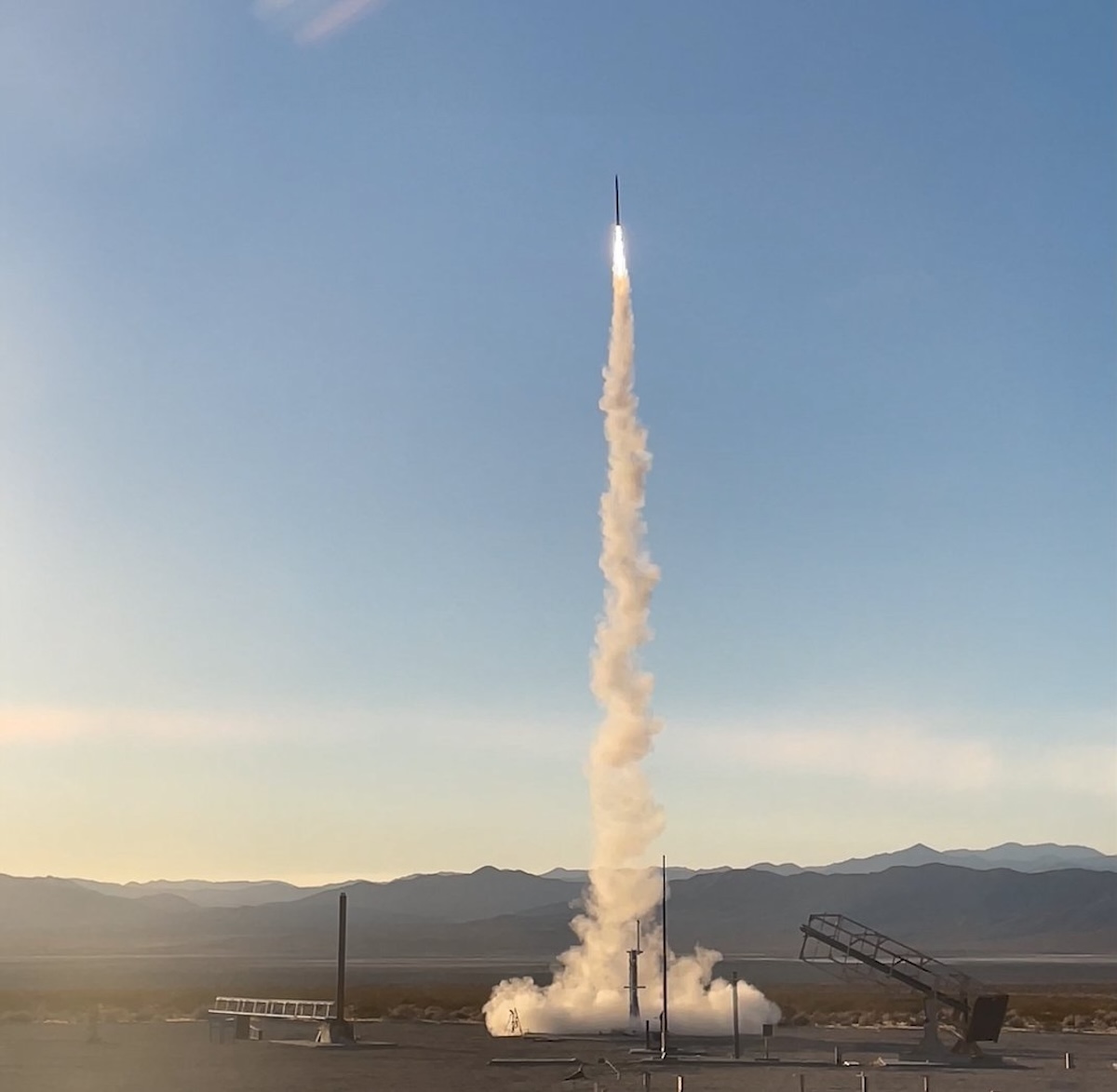
Four rounds of tests were conducted. In the last round, three static firings under various conditions and a ballistic flight demonstration were conducted. Additional flight tests are scheduled in the coming months.
Developed at Northrop Grumman’s Allegany Ballistics Laboratory in West Virginia with Raytheon, the HLG was ready for demonstration in just five months, noted Northrop VP and GM of Weapons Systems, Frank DeMauro.
Meanwhile, the president of Land and Air Defense Systems at Raytheon, Tom Laliberty, said, “These tests demonstrate our ability to rapidly develop this transformational air defense capability, which can defeat a variety of airborne threats at far greater ranges than legacy systems.”
In February 2025, Raytheon announced that it had completed testing of the NGSRI’s capabilities, including its advanced seeker, flight rocket motor, man-portable command launch assembly, and warhead.