USMC Awards Sikorsky $15.5M Deal for R66 Turbinetruck Cargo Helicopter

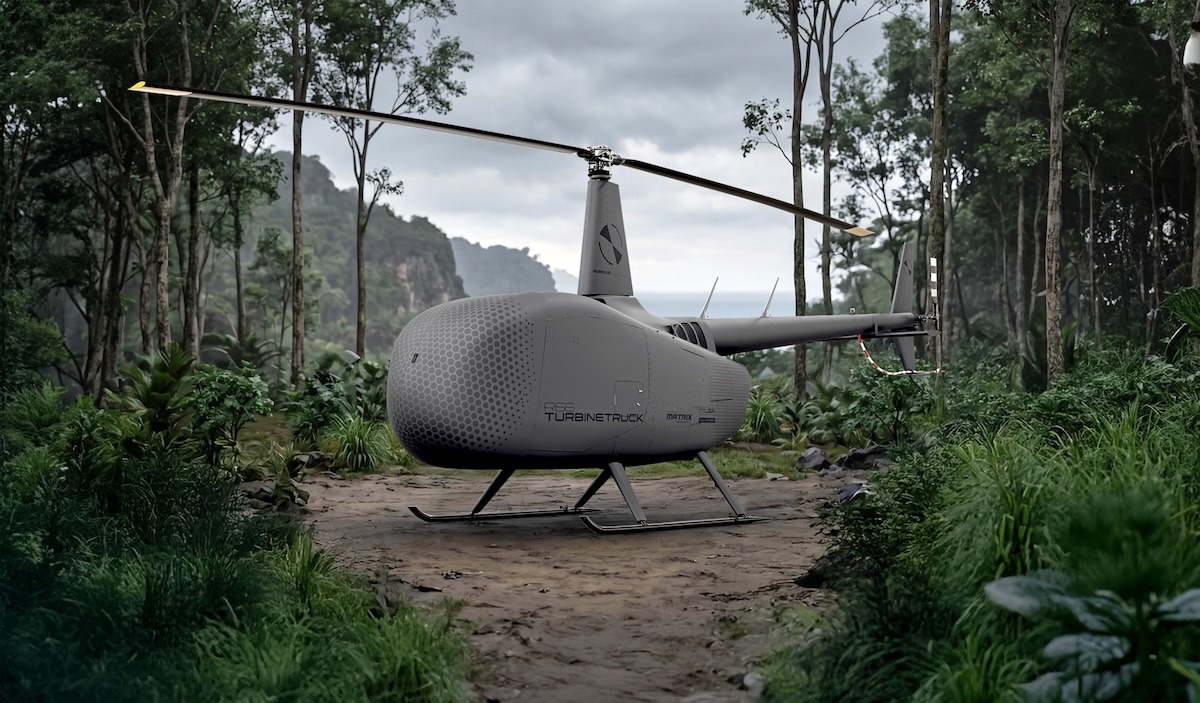
The US Marine Corps has selected the autonomous R66 Turbinetruck cargo helicopter for its Medium Aerial Resupply Vehicle – Expeditionary Logistics (MARV-EL) Increment 2 program, awarding Sikorsky a $15.5-million contract.
Robinson Unmanned will deliver the first R66 Turbinetruck to Sikorsky for integration, testing, evaluation, and demonstration under the program.
The service intends to use the cargo chopper to deliver ammunition, medical supplies, and other essential equipment across difficult terrain, adverse weather, and contested environments, particularly in high-risk areas where ground or crewed aviation assets are unavailable.
VP and general manager of Sikorsky Rich Benton described the commercially developed uncrewed helicopter as “simple, economical and re-configurable; ideal for high-risk, hard-to-reach environments…keeping personnel out of harm’s way.”
Sikorsky will bring its experience from participating in the Marine Corps’ Aerial Logistics Connector Phase 1 in 2025 to MARV-EL Increment 2.
R66 Turbinetruck
The R66 Turbinetruck combines Sikorsky’s Matrix platform-agnostic and open architecture autonomy system with Robinson’s rugged R66 airframe, while leveraging similar features as the S-70UAS U-Hawk autonomous helicopter.
It will incorporate a smaller footprint, different performance parameters, and a lower operating cost, according to Sikorsky.
Human operators use a digital tablet to input mission objectives, with the system then automatically creating a flight plan, using sensors and algorithms to guide the R66 Turbinetruck safely to the target location.
MARV-EL Program
The MARV-EL program seeks an uncrewed logistics platform that fills the gap between small tactical drones and large strategic airlifters, while being able to operate from austere forward operating bases, ship decks, or unimproved landing zones.
It is expected to be able to carry logistical payloads weighing between 1,300 and 2,500 pounds (590 to 1,134 kilograms) at ranges of 100 nautical miles (185 kilometers/115 miles).