Taipei has confirmed six weapons procurement contracts with the US worth 208.77 billion New Taiwan dollars ($6.6 billion), including a joint production agreement for large-caliber ammunition.
The agreements were finalized with the American Institute in Taiwan, Washington’s de facto embassy in the country, after lawmakers authorized the issuance of Letters of Offer and Acceptance amid ongoing budget reviews.
Long-Range Systems, Missiles, and Advisory Services
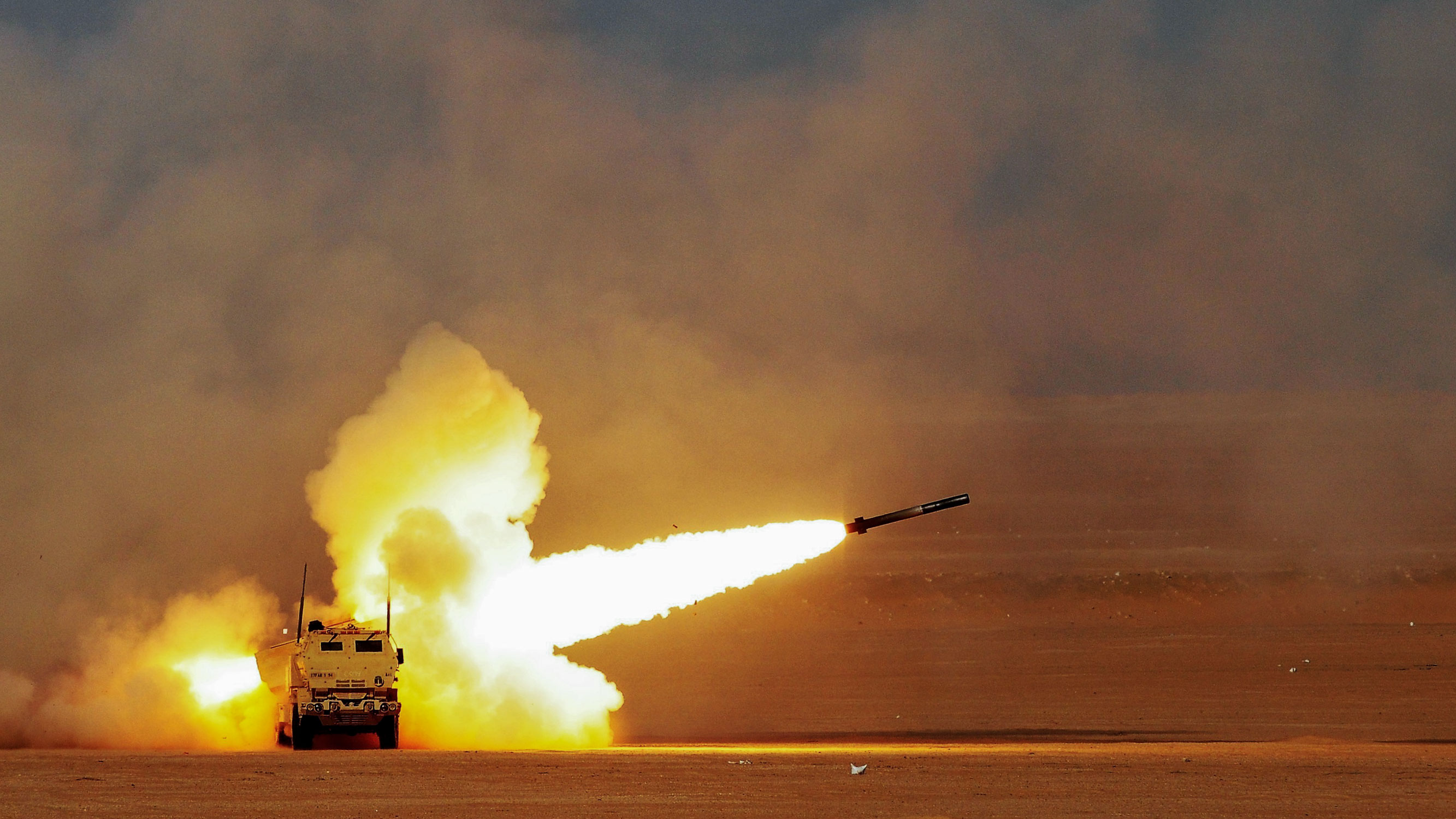
The largest contracts cover M142 HIMARS Multiple Launch Rocket Systems valued at 123.53 billion New Taiwan dollars ($3.9 billion), M109A7 Paladin self-propelled artillery worth 73.89 billion New Taiwan dollars ($2.3 billion), and 5.32 billion New Taiwan dollars ($168.7 million) for missile stockpile replenishment, all to be distributed across the Republic of China Army.
Work for the HIMARS is set for completion by December 2032, the Paladin by December 2034, and the resupply by March 2030.
It also includes 5.12 billion New Taiwan dollars ($162.4 million) for Republic of China Army anti-armor missiles, expected by September 2030, and 22.87 million New Taiwan dollars ($725,974) for integrated air defense consultancy support services, also targeted by 2030.
Joint Shell Development
Another investment, valued at 910.44 million New Taiwan dollars ($28.8 million), covers joint production of large-caliber ammunition, defined as 105-millimeter shells and above.
Officials said the project allows Taiwan-made munitions to enter the American military supply chain and potentially be exported after meeting domestic requirements.
That effort will involve Taiwan’s Armaments Bureau and is set to be facilitated through February 2029.
Taiwan’s recent spending follows Washington’s approval of a record $11 billion in military sales to the East Asian country in 2025, maintaining America’s position as the top arms supplier for Taipei.
The move sparked concerns from Beijing, which is in an ongoing dispute with Taiwan over areas across the South China Sea.