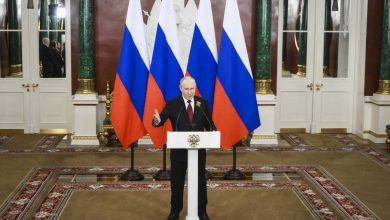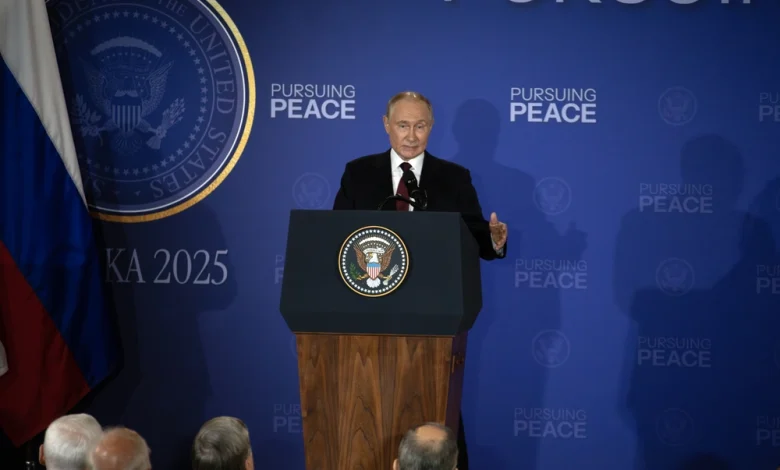
A dangerous consensus is forming in Western capitals: that a negotiated ceasefire along current lines of contact would be an acceptable outcome in Ukraine.
This view risks misreading both the threat and the logic of Russian strategic behavior.
The Russian military that emerges from this conflict may be harder, better trained, and increasingly organized around capabilities NATO is only beginning to conceptualize.
What the Neighbors Knew
For more than three decades, leaders from Central and Eastern Europe warned that Russia was not a difficult partner to be gradually integrated into a rules-based order, but a revisionist power that often reads accommodation as weakness.
Those warnings were frequently dismissed as shaped by historical grievance rather than strategic insight. In retrospect, many of those concerns appear prescient.
On January 12, 1994, Polish President Lech Wałęsa told President Bill Clinton that while Russia had signed many agreements, its word was not always reliable: “one hand held a pen; the other a grenade.”
Days earlier, he framed it more bluntly: “The Americans would like to tame the bear, but they keep forgetting that you cannot do that while it is in the forest. You have to do it in a cage.”
Decades later, former Estonian President Toomas Hendrik Ilves traced a consistent pattern — from the 2007 cyberattacks on Estonia to Georgia in 2008, Crimea in 2014, and the full-scale invasion of Ukraine in 2022 — in which the scale of Russian action correlated closely with the costs imposed by the West.
The Army That Is Learning While It Bleeds
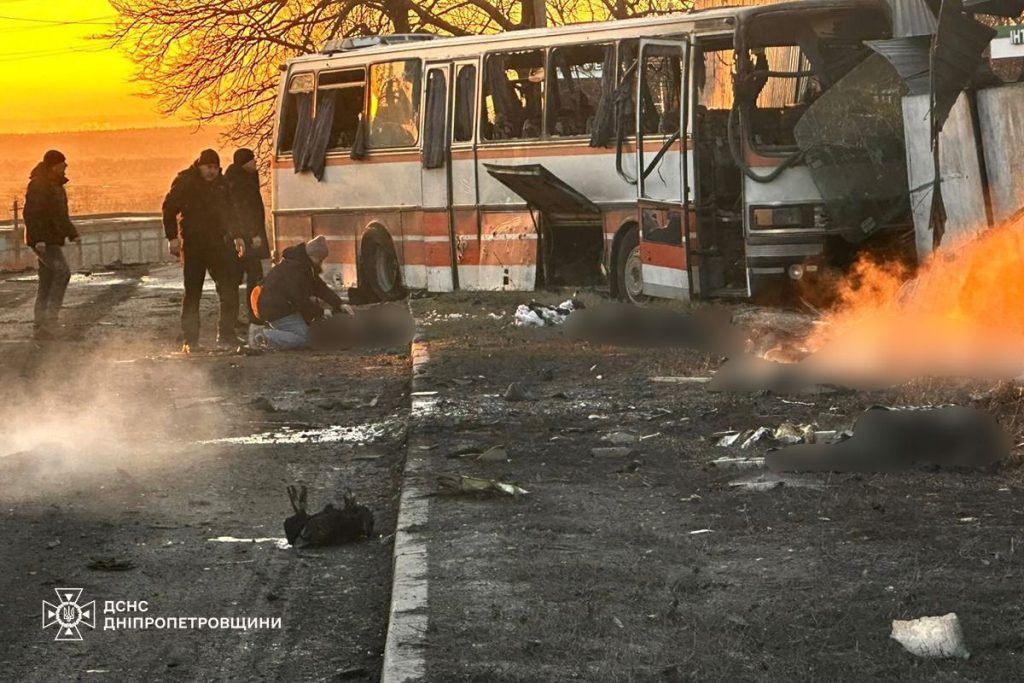
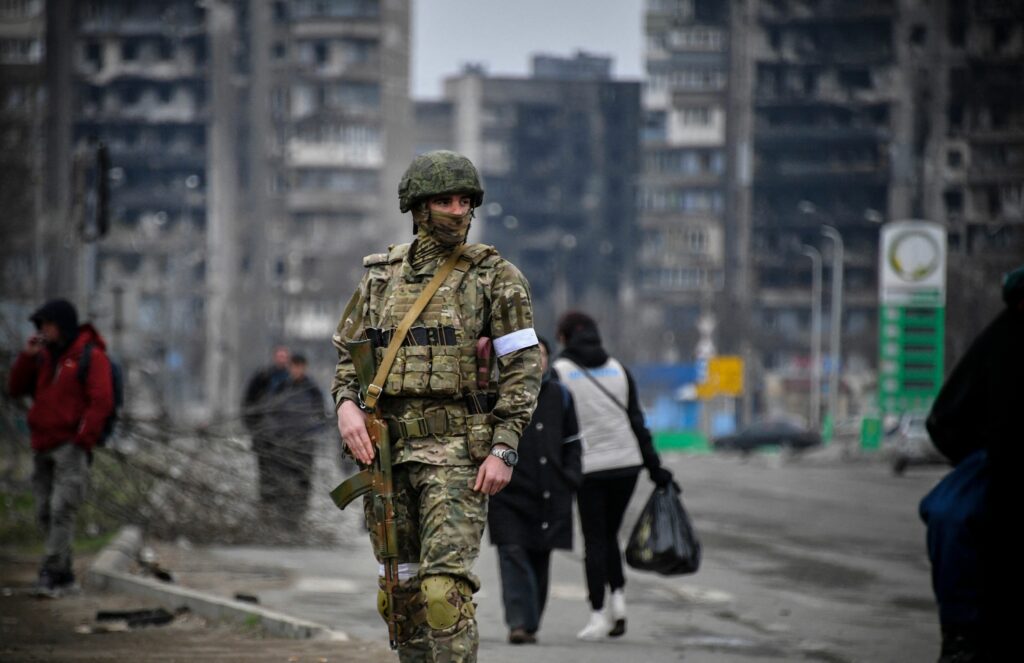
Despite absorbing approximately 1.2 million casualties since February 2022, Russia’s army today is in several respects larger than at the outset of the invasion.
It is fighting and rebuilding simultaneously. The question is not whether it will recover, but what it will have learned in the process.
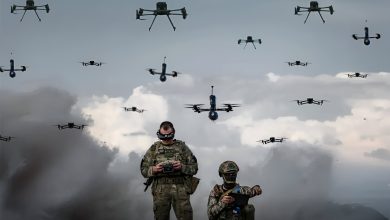
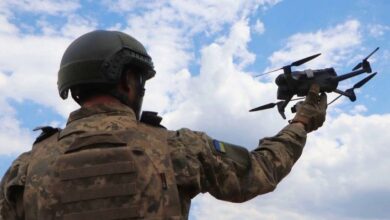
The war has forced Russian forces to adapt in areas Western militaries have long theorized about but only partially implemented at scale: persistent electronic warfare at the tactical edge, the widespread use of fiber-optic drones resistant to jamming, and increasingly integrated surveillance-strike networks.
One notable development is the emergence of formations often referred to as “Rubicon” — an organizational approach that combines technology testing, combat employment, and operator training in a single chain of command.
In Kursk, Rubicon units severed Ukrainian supply lines around Sudzha so effectively that brigade commanders reported losing up to 70 percent of their drone operators in a single week.
At the tactical level, adaptation has been equally visible.
Russian commanders have adapted armor employment to weather windows, timing mechanized operations to rain, high winds, and poor visibility that degrade drone effectiveness.
At Avdiyivka and Sudzha, assault teams moved through abandoned drainage tunnels and gas pipelines, walking up to 15 kilometers (9.3 miles) underground to avoid detection.
This is not simply the continuation of earlier methods. This is a military educated, at enormous cost, in how to fight a modern war.
Institutional changes are following: a dedicated unmanned systems force was formally established in 2025.
The Window NATO Cannot Afford to Waste
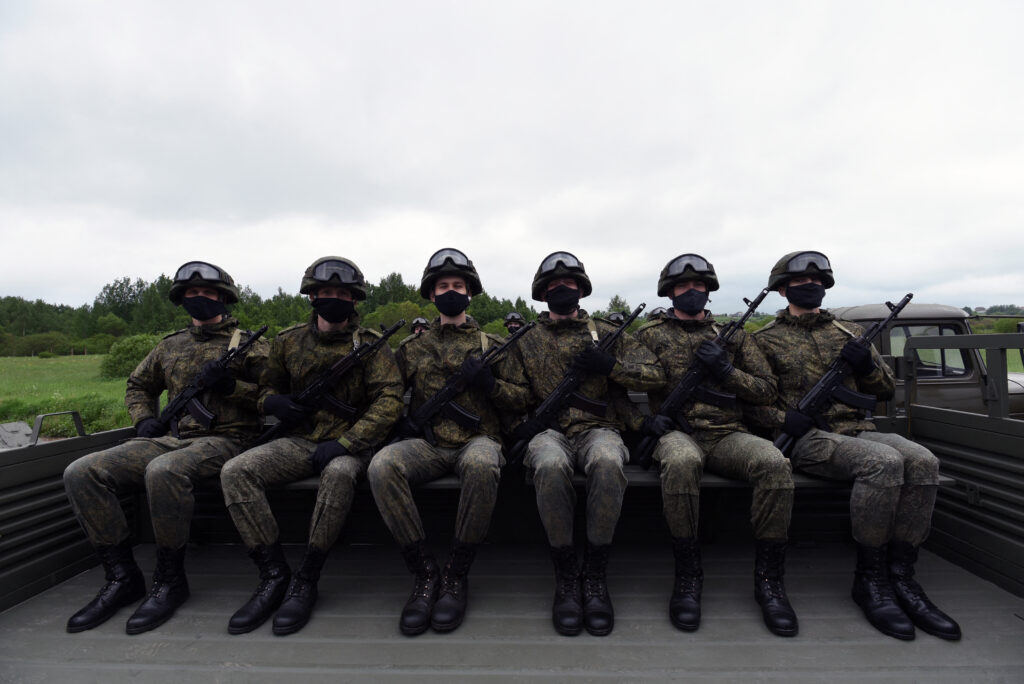
European intelligence assessments suggest that Russia could be in a position to conduct large-scale operations against NATO within the next decade.
German defense officials have pointed to a window around 2029–2030, while some Baltic assessments warn that more limited or ambiguous actions could be possible significantly sooner, particularly in the aftermath of a ceasefire.
Russia’s defense-industrial base is already operating at elevated capacity.
Leaked planning documents from state-owned Uralvagonzavod outline plans to increase T-90 production by 80 percent by 2028 and field more than 2,000 modernized tanks through 2036.
At the same time, the Institute for the Study of War has found no evidence that Russian military leadership sees force reconstitution as a prerequisite for renewed coercive action
Moscow will act when the West appears sufficiently divided, not when it is fully ready.
Why a Ceasefire in Place Solves Little
A ceasefire under current conditions would likely leave Russia in control of significant Ukrainian territory, with the ability to frame the outcome domestically as a strategic success.
It would also preserve much of the combat experience and institutional learning gained over several years of high-intensity warfare, while allowing time for reconstitution. Moscow is not planning for peace. It is planning for the next round.
Russian negotiating behavior has followed a relatively consistent pattern: maximalist opening positions, pressure calibrated alongside negotiations, and a tendency to use pauses to regroup and rearm.
Current ceasefire discussions have followed this template exactly. Moscow has demanded Ukrainian neutrality, territorial recognition, and a veto over Ukraine’s security relationships while simultaneously intensifying attacks on Ukrainian civilian infrastructure.
Following the 2008 war in Georgia, Russia undertook substantial military reforms before returning to large-scale operations in Ukraine in 2014 and again in 2022.
Without a materially different outcome in the current conflict, there is a risk that a similar cycle could repeat, except this time with a force that has absorbed hard lessons from sustained modern warfare.
The Clock Is Running
Russia will reconstitute over time. A ceasefire that rewards aggression with territorial consolidation and a pause to rebuild is not a peace settlement. It is an intermission, purchased at Ukraine’s expense, with Europe’s security as the price of the next act.
Thirty years ago, Lech Wałęsa warned that you cannot civilize the bear unless you know where he stands. The bear is still outside the cage.
The window to act is open. It will not remain so indefinitely.
An expanded academic work on this topic by the autor is available in the Foreign Area Officer Journal of International Affairs at FAO Journal of International Affairs | Editor | Substack.

Bear Midkiff leads Midkiff Consultancy Services, s.r.o., in Prague, with 25 years of experience in modernization and training NATO forces.
He is a former US Army helicopter pilot and Foreign Area Officer, specializing in CEE Countries.
The first American to graduate from the Czech Command and General Staff College, and a founder of the Office of Defense Cooperation at the US Embassy, Prague.
The views and opinions expressed here are those of the author and do not necessarily reflect the editorial position of The Defense Post.
The Defense Post aims to publish a wide range of high-quality opinion and analysis from a diverse array of people – do you want to send us yours? Click here to submit an op-ed.