Modern air and missile defense is defined by speed and precision. With threats ranging from short-range rockets to drones and cruise missiles, traditional systems can struggle to keep pace.
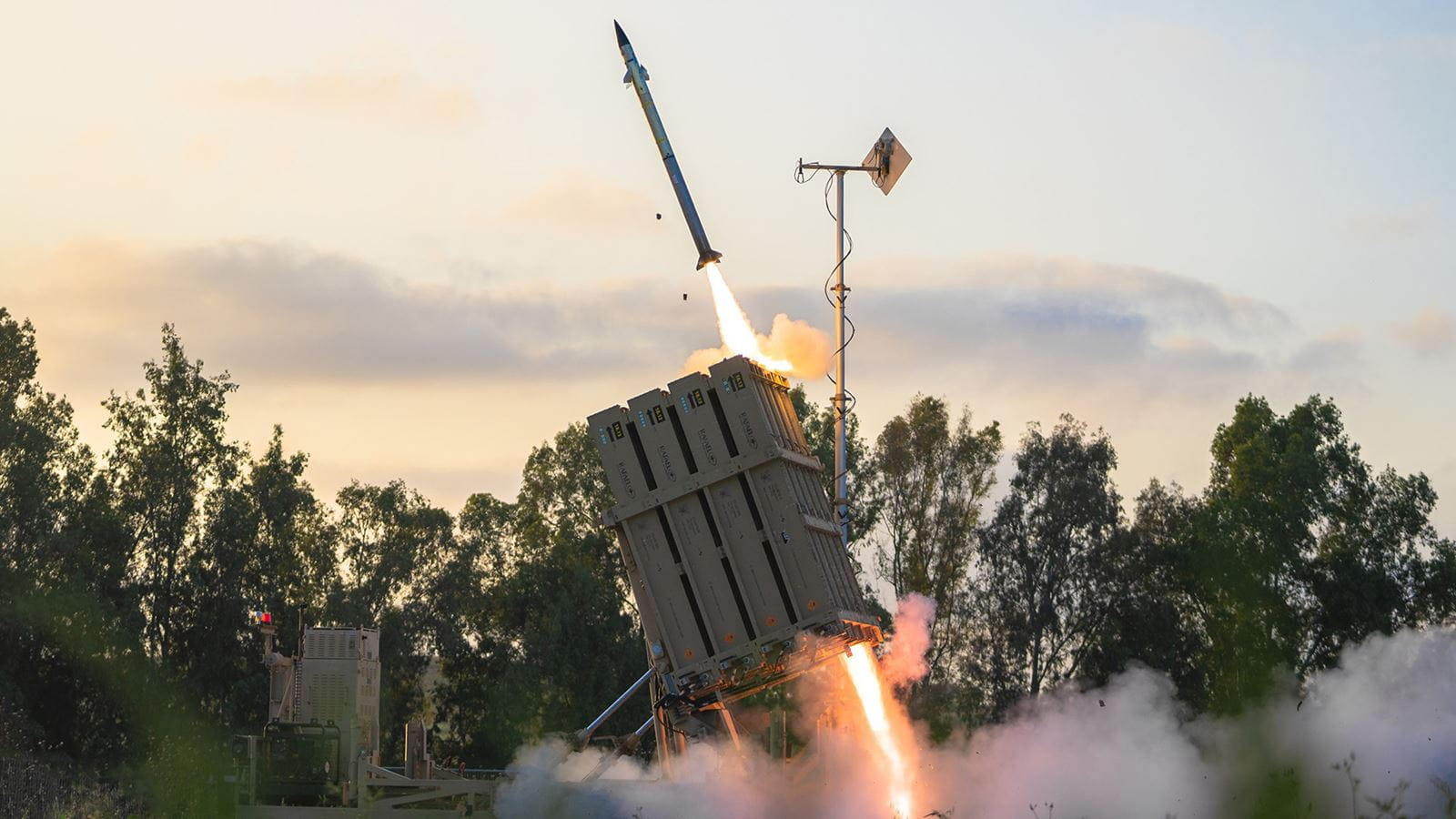
The Tamir interceptor missile meets that challenge, forming the core of Israel’s Iron Dome and other short-range air defense networks.
In this guide, we explore what the Tamir missile is, how it works, its strengths and limitations, operational history, and its future in missile defense.
What Is the Tamir Interceptor Missile?
The Tamir missile is a short-range, surface-to-air interceptor designed to destroy incoming rockets, artillery shells, mortars, and drones.
Developed by Rafael Advanced Defense Systems, currently with Raytheon’s help, it is the primary intercepting missile used in Iron Dome, Israel’s mobile air defense shield.
Tamir isn’t built like a typical interceptor; it’s quick, agile, and always listening. Guided by radar, it can twist through the sky to chase down small, fast, low-flying threats that are easy to miss but can’t be ignored.
Instead of working alone, Tamir plugs into a layered defense setup, teaming up with systems designed for longer-range threats, so each one handles what it does best. The result is a coordinated shield that keeps nothing from slipping through.
Development and Background
The Tamir interceptor missile was developed to address Israel’s growing need for a short-range missile defense solution capable of defending against high-volume rocket attacks from Gaza and other contested areas.
Key development points:
- Built by Rafael Advanced Defense Systems to integrate with radar systems and the Iron Dome battery.
- Designed to counter rockets as small as four inches (10 centimeters) in diameter, artillery shells, and drones with high precision.
- Focused on minimizing collateral damage in urban environments through targeted interception rather than area saturation.
The system was operationally deployed in 2011 and has since become a cornerstone of Israel’s layered missile defense strategy.
| Category: | Details: |
| System Role | Interceptor missile for the Iron Dome |
| Developer | Rafael Advanced Defense Systems (with support from Raytheon and Israel Aerospace Industries) |
| Primary Mission | Intercept and destroy short-range rockets, artillery shells, and drones |
| Guidance | Radar-guided with real-time tracking and updates |
| Interception Method | Proximity-fused warhead detonates near target |
| Range | Up to ~70 kilometers/43 miles (depending on engagement conditions) |
| Key Capabilities | High maneuverability; engages multiple targets; effective against low-flying threats |
| Operational Features | All-weather, day/night operation; rapid response time |
| Engagement Logic | Selective interception (only engages threats heading toward populated areas) |
| System Integration | Works with David’s Sling and Arrow missile system |
| Operational Status | In service since 2011; combat-proven |
How Tamir Works
Tamir interceptors rely on advanced radar guidance and onboard control systems to locate and destroy incoming threats.
Detection and Tracking
An Iron Dome radar detects incoming rockets, calculates trajectories, and predicts impact points. Only rockets projected to hit populated areas are targeted, conserving interceptors.
Launch and Guidance
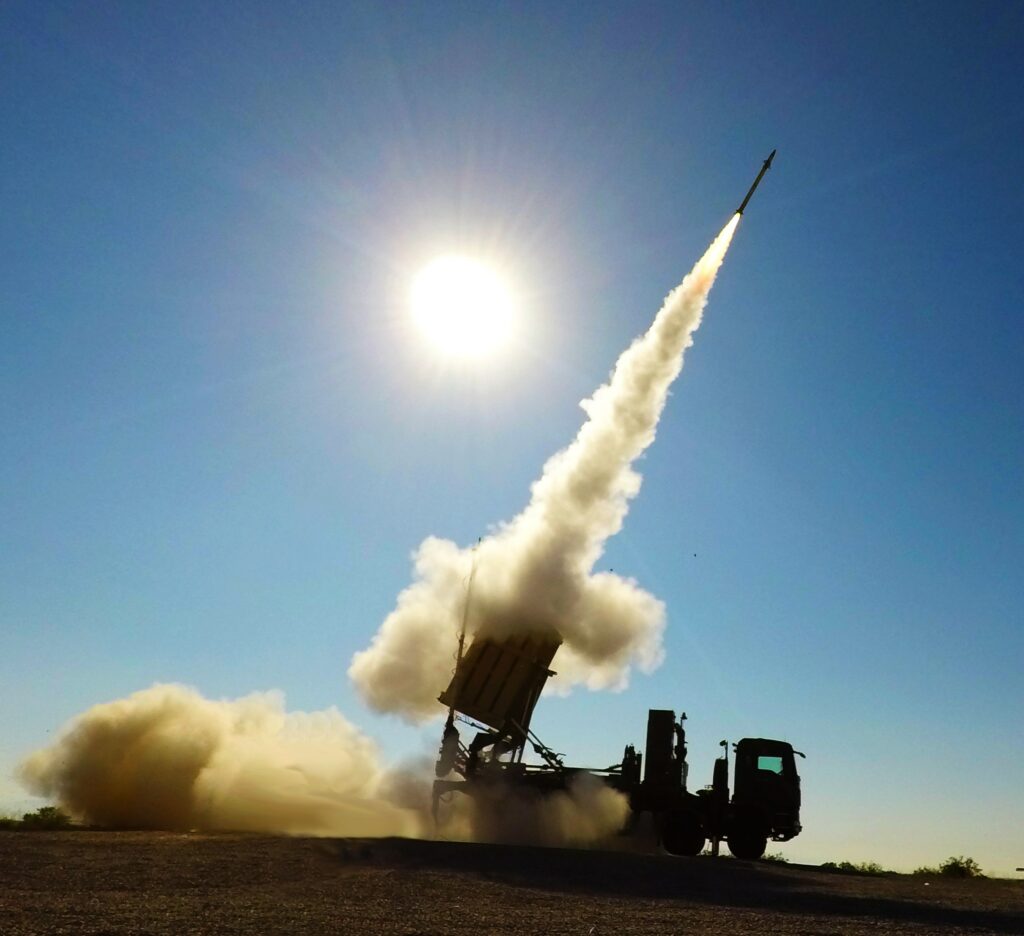
Tamir is launched vertically from mobile launchers and guided using radar data and onboard sensors. The missile can adjust its flight path mid-course to hit fast-moving or maneuvering targets.
Interception
The missile is equipped with a high-explosive warhead that detonates near the target to destroy it in midair. Its small size and agility allow it to intercept rockets and drones that might otherwise evade larger interceptors.
Strengths
- Precision interception: Can target rockets and drones with minimal collateral damage.
- Rapid response: Mobile launchers allow fast deployment and quick firing sequences.
- Integration with Iron Dome: Works within a networked air defense system for coordinated coverage.
- Urban defense capability: Specifically designed to protect populated areas from short-range threats.
- High maneuverability: Intercepts small, fast, or erratically moving projectiles.
Limitations
- Short range: Typically effective up to 70-kilometer (43 miles) altitude or less, so not suitable for medium- or long-range threats.
- Limited payload: Each missile carries a relatively small warhead, sufficient for small rockets but not for larger ballistic missiles.
- Dependency on radar: Requires active radar tracking; stealthy or low-signature threats can pose challenges.
- High-volume conflicts: Batteries may require multiple Tamir interceptors for large-scale rocket barrages.
Operational History and Global Use
The Tamir missile has been combat-proven in multiple conflicts in Israel:
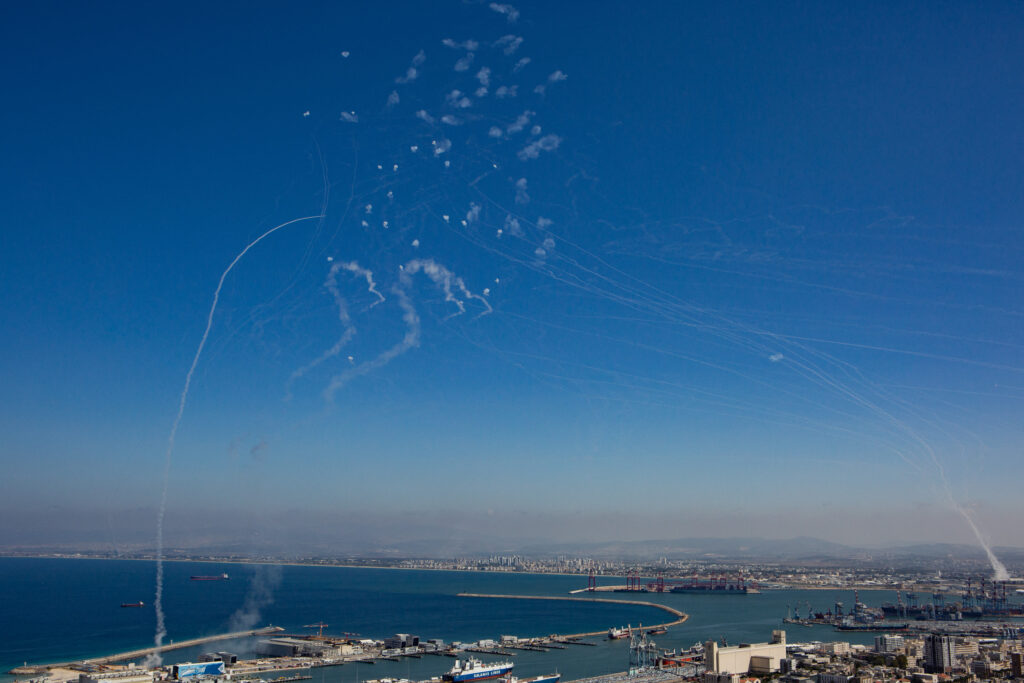
- 2011 to present: Regularly intercepts rockets from Gaza, demonstrating effectiveness in real-world urban scenarios.
- May 2021 Gaza Conflict: Iron Dome batteries shot down dozens of rockets heading toward populated areas.
- International Deployment: Variants and technology have been exported or adapted to allied nations seeking short-range missile defense solutions.
Future Outlook
The Tamir missile continues to evolve:
- Improved guidance systems for faster reaction and higher success rates.
- Integration with next-gen radars and multi-layered defense networks.
- Adaptation for drones and swarming threats, expanding operational versatility.
As short-range missile threats proliferate worldwide, the Tamir remains a model for affordable, agile, and precise air defense, demonstrating how tactical interceptors can protect civilians and critical infrastructure alike.