India Receives Hundreds of Kamikaze Drones Under Fast-Track Order

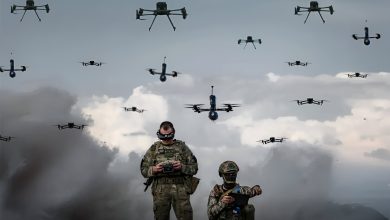
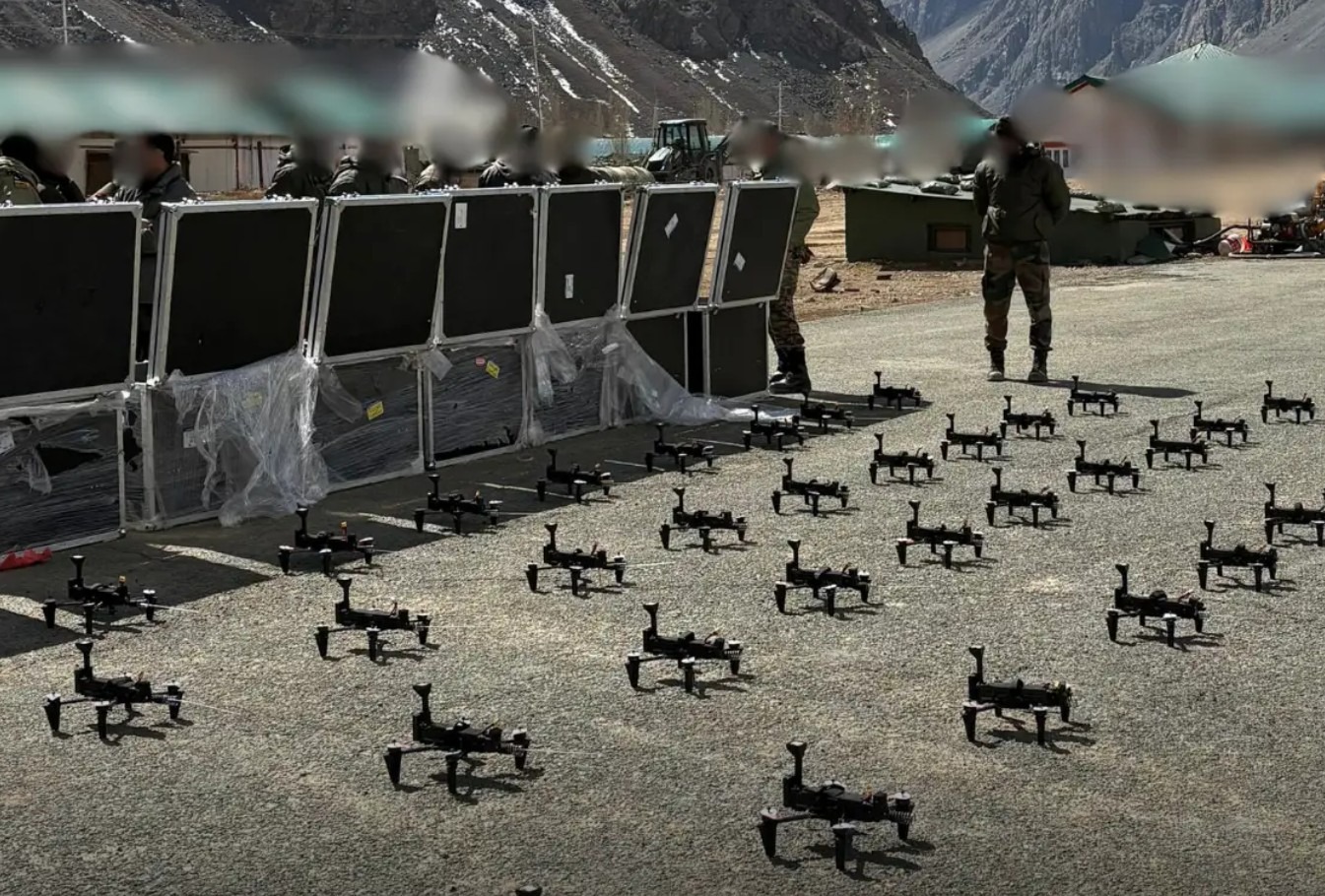
Indian firm InsideFPV has completed a 100-million-rupee ($1.2 million) contract for the country’s defense ministry, delivering hundreds of kamikaze drone systems within a 60-day timeframe.
The contract was issued under the Emergency Procurement Route, a mechanism used to fast-track acquisitions for urgent operational needs.
Designed for use across a range of environments, the drones can operate at high altitudes, in desert conditions, and across mixed terrain.
“Our kamikaze and first-person view systems were engineered specifically for India’s harshest deployment environments,” stated Arth Chowdhary, CEO of InsideFPV.
Reported specifications indicate operationality in temperatures ranging from around -35 to 50 degrees Celsius (-31 to 122 degrees Fahrenheit), as well as the ability to function in GPS-denied environments.
According to the company, the contract reflects a broader trend seen in recent conflicts, where loitering munitions are increasingly deployed for short-range precision strikes and real-time battlefield reconnaissance.
Boosting Drone Capacity
The delivery comes as New Delhi continues to prioritize domestic defense manufacturing, with procurement increasingly centered on unmanned systems that can be produced at scale and delivered rapidly.
In this context, InsideFPV is expanding its production capacity, including relocating to a facility of about 20,000 square feet (1,860 square meters) to increase output and reduce turnaround times for future orders.
The company is also developing additional capabilities, including interceptor drones, swarm-enabled systems, and navigation solutions designed for contested or signal-denied environments.
These developments align with broader planning by the Indian Army, which recently released a technology roadmap outlining future requirements for unmanned aerial systems and loitering munitions.
Officials said the roadmap is intended to better align operational needs with technology development, while expanding participation from domestic industry, startups, and academic institutions.