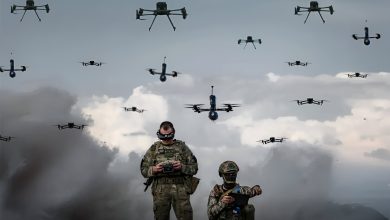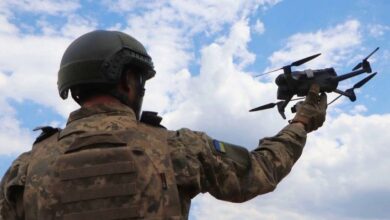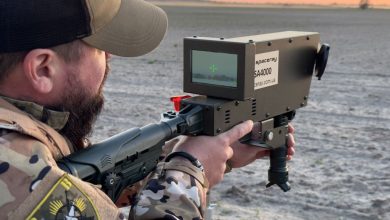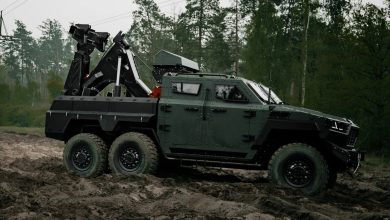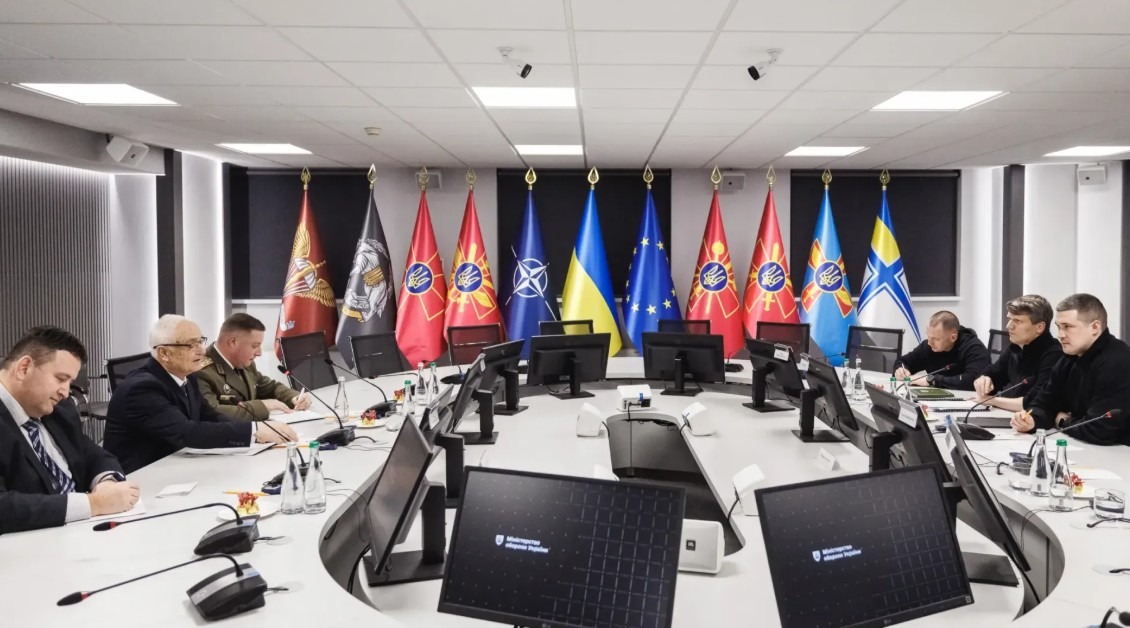
Ukraine and Bulgaria are moving to deepen defense cooperation, with talks focusing on the potential joint production of unmanned aerial systems and the development of counter-drone capabilities, including detection, tracking, and interception.
Cooperation is expected to take place at the governmental level and through partnerships between defense companies in both countries.
Part of the talks are exploring the launch of joint initiatives under Brave1, a Ukrainian government-backed platform that connects the military with private-sector developers to accelerate defense technology development.
Other options could include jointly testing and adapting new systems directly in Ukraine’s operational environment.
“Ukraine today has a unique experience in developing a system capable of intercepting large numbers of enemy drones and is prepared to share this experience through mutually beneficial partnerships,” stated the Ukrainian government.
Alongside unmanned technologies, both sides agreed to strengthen cooperation in ammunition production.
The focus is on increasing industrial output and stabilizing supply chains for key munitions, as sustained combat operations continue to drive high consumption rates.
Funding, Procurement Frameworks
Alongside industrial cooperation, the discussions also addressed existing funding and procurement mechanisms that could support joint initiatives.
NATO’s Prioritized Ukraine Requirements List was highlighted as a key channel for supplying priority military equipment.
The mechanism is used to coordinate the procurement of critical systems sourced from the US, including air defense assets and components designed to counter aerial threats.
Further cooperation could also be linked to the EU’s SAFE framework.
With a budget of 150 billion euros ($172 billion), the instrument is designed to finance large-scale defense procurement, with a focus on joint acquisitions across the European defense industry to improve interoperability.
The framework also allows participation from partner countries beyond the EU, including Ukraine, members of the European Free Trade Association and the European Economic Area, as well as candidate countries and states engaged in EU security partnerships.