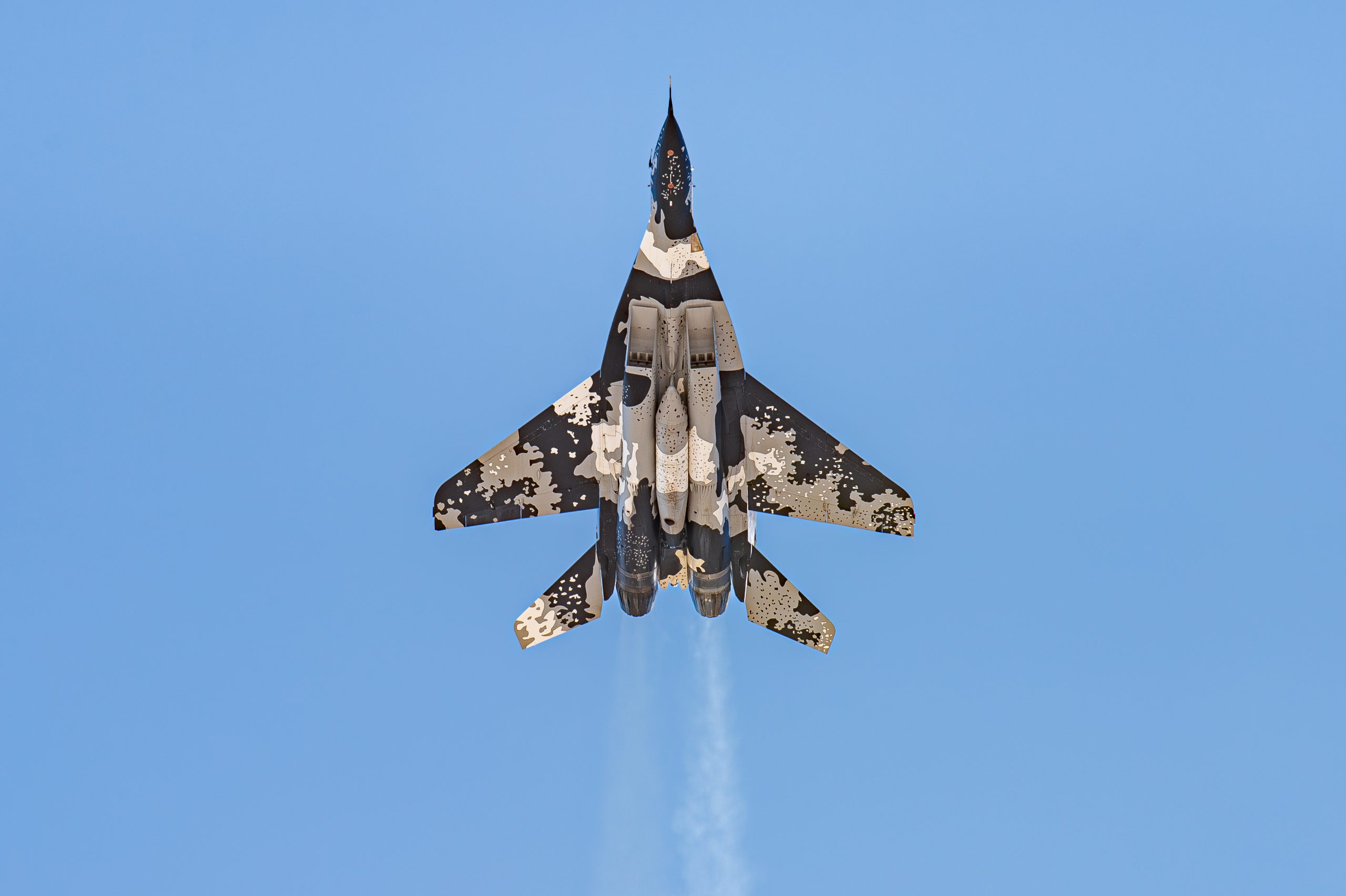
Born in the closing years of the Cold War, the MiG‑29 Fulcrum emerged as the Soviet answer to Western fighters: agile, powerful, and designed for intense air combat.
Over the decades, it has evolved from a pure air‑superiority machine into a flexible multirole platform found across the globe.
This guide breaks down how it came to be, what makes it tick, where it serves, and how it may evolve. Dive in to see how this iconic fighter continues to shape air power worldwide.
What Is the MiG‑29?
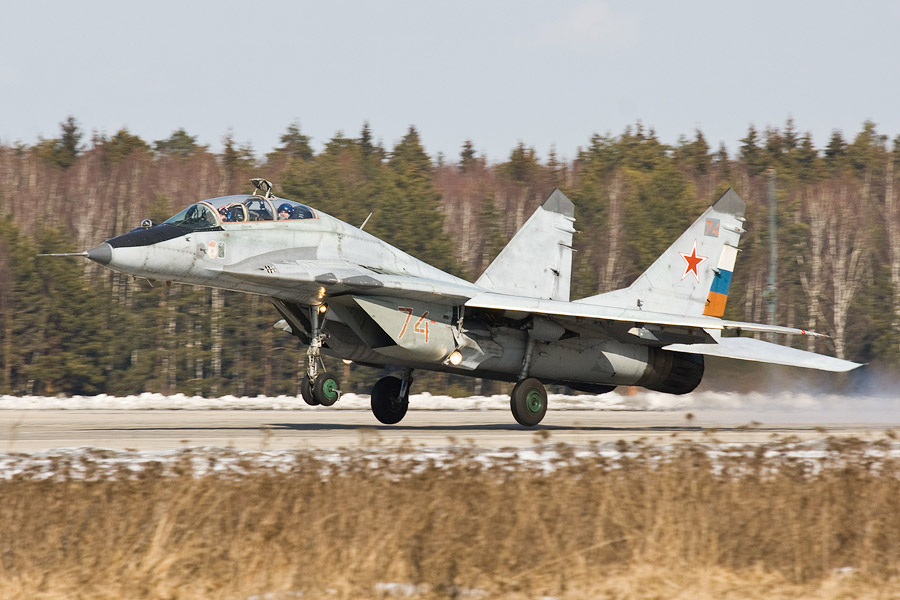
The MiG-29 is a twin-engine, fourth-generation fighter jet from the Soviet Mikoyan design bureau.
Built primarily for air superiority, the aircraft came to life to counter Western fighters, such as the F-15 and F-16, while operating close to the front lines.
Renowned for its agility, powerful twin engines, and ability to operate from short or improvised runways, the aircraft was designed to quickly challenge enemy fighters and shield frontline forces from aerial threats.
It first took to the skies in 1977, marking the beginning of what would become one of the Soviet Union’s most recognizable fighter programs.
By 1983, it had entered operational service and soon equipped numerous Warsaw Pact and allied air forces.
Over the decades, the aircraft has appeared in multiple conflicts, from the Gulf War and the Balkans to various regional wars, serving primarily in air defense and interception roles.
MiG‑29 Variants
Successive upgrades transformed the MiG‑29 from a pure air‑superiority fighter into a flexible multirole platform with modern flight systems and enhanced survivability.
True Variants
- MiG‑29A: The original single-seat air-superiority fighter, built to intercept enemy aircraft and dominate frontline aerial engagements.
- MiG‑29UB: A two-seat trainer designed for pilot instruction and conversion training, retaining limited combat capability.
- MiG‑29K/KUB: Carrier-capable versions engineered for naval operations, including reinforced landing gear, folding wings, and shipboard takeoffs and landings.
- MiG‑35: A modern multirole fighter capable of air superiority, precision strike, and advanced electronic warfare missions, representing the latest evolution of the MiG‑29 design.
Upgrades and Modernizations
- MiG‑29S/SMT/UPG: Enhanced versions of the original airframe, featuring upgraded radar, improved flight systems, extended range, and advanced weapons integration.
- MiG‑29M/M2: Heavily modernized multirole fighters, with structural improvements, expanded payload, and upgraded digital systems, bridging the gap between legacy MiG‑29s and the MiG‑35.
Each variant reflects incremental improvements in sensors, weapons, self‑protection, and mission flexibility.
How the MiG‑29 Works
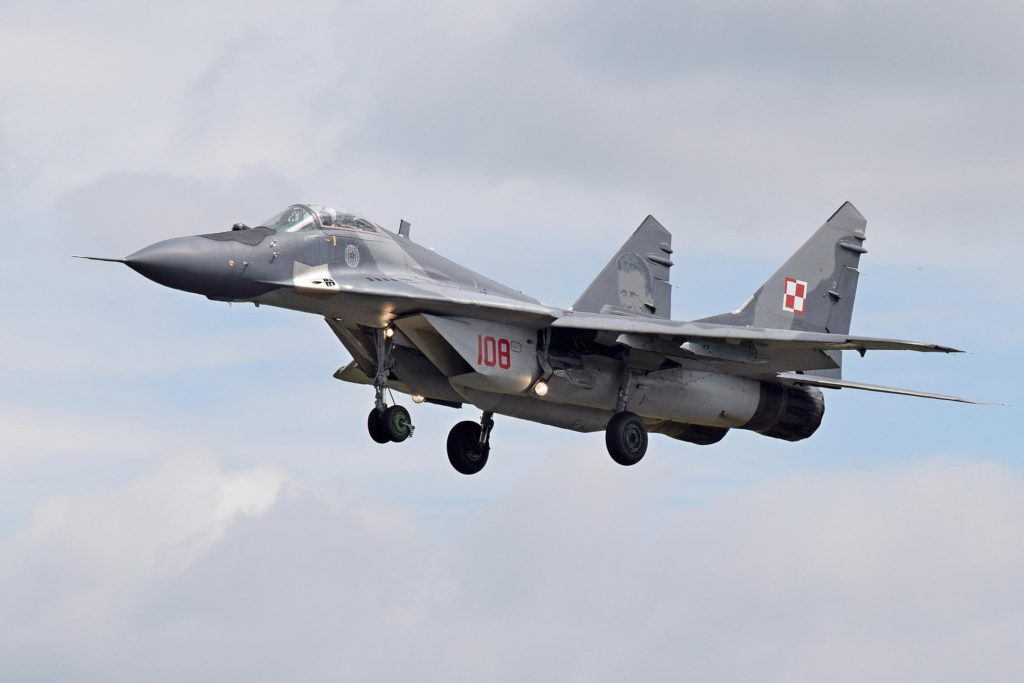
At its core, the MiG‑29 integrates aerodynamic design, powerplant performance, avionics, and armament into a combat platform.
Aerodynamics and Performance
Its wing design, leading‑edge extensions, and control surfaces enable exceptional maneuverability and stability at high angles of attack — a traditional Soviet emphasis on dogfight performance.
Powerplant
Twin Klimov RD‑33 turbofans deliver high thrust, enabling speeds above Mach 2.2 (2,716 kilometers/1,688 miles per hour) and strong thrust‑to‑weight ratios that support climb and agility.
Avionics and Sensors
The aircraft’s radar and sensor suite, including variants like the Phazotron N019 radar and infrared search‑and‑track systems, provide target detection, tracking, and engagement capability, although earlier models were surpassed by Western equivalents in range and ECCM performance.
Weapons and Self‑Protection
It carries a 30mm GSh‑30‑1 cannon and a mix of air‑to‑air and air‑to‑surface missiles (such as the R‑73 and R‑27), plus countermeasure suites with radar warning receivers, chaff, and flares to enhance survivability.
Strengths
- Agile performance: Exceptional maneuverability and climb make it competitive in close‑in engagements.
- Robust design: Rugged construction allows operations from austere airfields and sustained high‑G flight.
- Flexible payload: Can carry diverse weapons and sensors for air and surface roles.
Limitations
- Range constraints: Internal fuel limits on long missions, often requiring drop tanks or aerial refueling.
- Avionics legacy: Early radars and cockpit systems were behind contemporary Western designs, though upgrades have narrowed the gap.
- Sensor and EW gaps: While EW suites exist, their sophistication varies by variant, sometimes lagging modern integrated systems.
Global Use
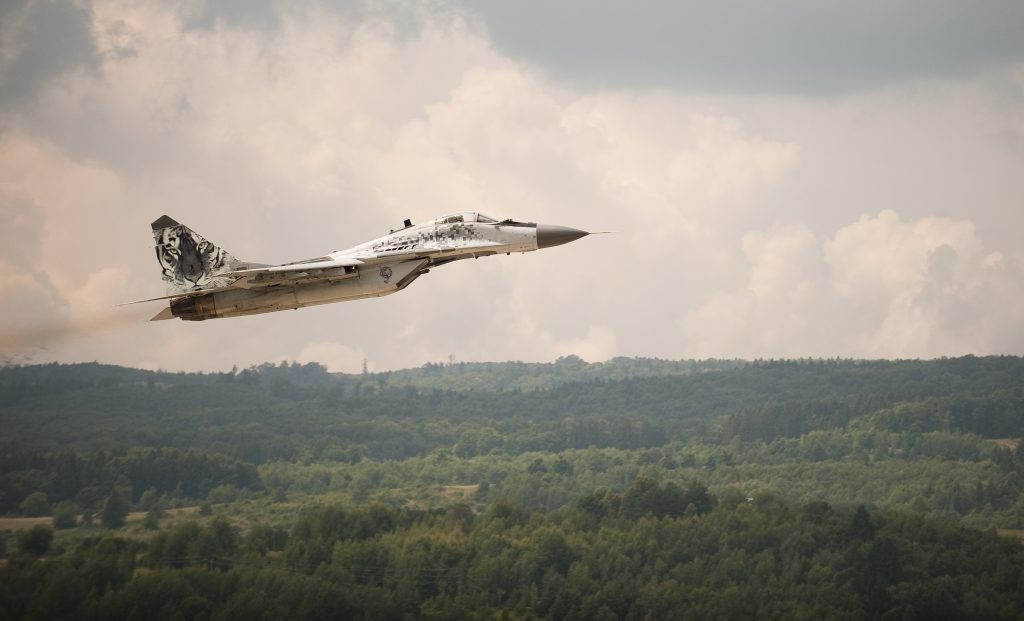
The MiG‑29 has seen widespread adoption: Russia operates hundreds, and it serves with dozens of air forces, including India, Poland, Ukraine, Serbia, and many others, fulfilling air defense, interception, and multirole missions across continents.
Future Outlook
Modernized versions like the MiG‑35 extend the Fulcrum’s relevance with AESA radar, improved avionics, and enhanced multirole capability.
Ongoing upgrades and export packages keep it competitive, though future air combat trends increasingly emphasize stealth and networked systems — areas where legacy designs face pressure to adapt.
The MiG‑29 remains a significant fighter platform with a storied operational history and continued global presence. It blends performance, payload flexibility, and rugged design, though it shows its age in range and electronic systems compared to newer aircraft.
Through modernization programs and variant upgrades, it continues to serve air forces worldwide, even as new fighter technologies emerge.