The US Department of Defense has sought market information on the immediate delivery of prefabricated, hardened bunkers for US forces deployed in the Middle East, as Iran intensifies attacks on American military facilities across the region.
The notice, which is not a formal solicitation, aims to gauge industry capacity to deliver the systems within compressed timeline options of 3, 15, and 30 days.
The total quantity requirement is not known as of now.
According to the notice, the bunkers must be transportable and capable of withstanding blast and fragmentation threats. Vendors are required to detail the materials used in fabrication, including composition, structural design, and reinforcement features.
They must also specify the protection level of each proposed system, identifying the maximum threat it is designed to withstand, whether from blast overpressure, fragmentation, or ballistic impact.
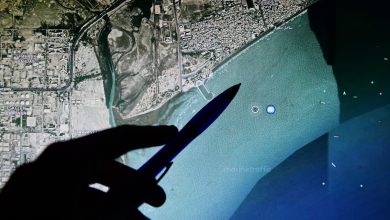
Delivery is to be made to the Aqaba Air Cargo Terminal at King Hussein International Airport in Aqaba, Jordan.
‘Outdated’ Shelters
The requirement underscores the growing urgency for hardened shelters in the region amid reports of a US troop buildup under Operation Epic Fury, including the deployment of thousands of Marines and airborne personnel.
Around 290 US service members have been injured since the start of the operation on February 28, while 13 have died.
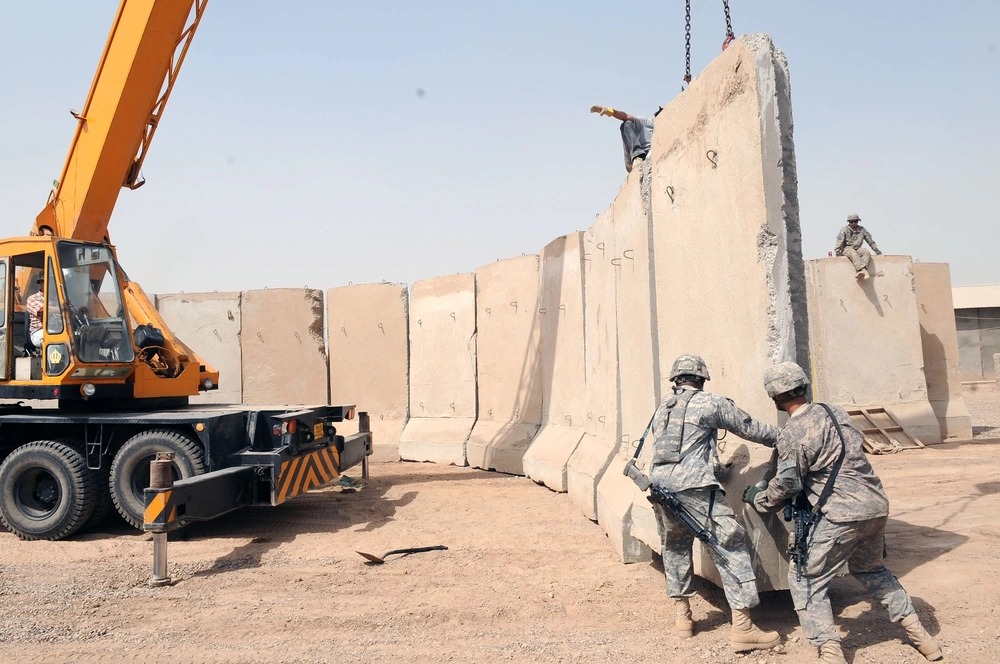
Reacting to the sources sought notice, former US Central Command communications chief, retired Col. Joe Buccino, told Task & Purpose that many bunkers and shelters at Middle East bases are “fairly unimpressive,” often consisting of concrete T-walls installed after the invasion of Iraq.
Most shelters, he said, have “never been terribly fortified,” although some hardened bunker complexes do exist.
“A lot of the hardened shelters really are outdated and could be defeated if enough missiles get through the defense system, so I think this is a good move,” he added.
New Threats
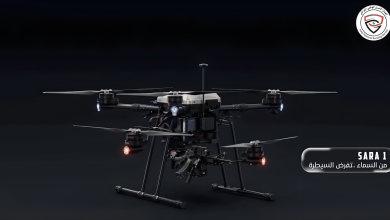
In addition to vulnerabilities to ballistic missiles, the growing threat posed by drones has further exposed gaps in force protection.
Six of the fatalities occurred in an Iranian drone attack on a makeshift operations center at a civilian port in Kuwait on March 1, underscoring the vulnerability of existing infrastructure — particularly to overhead strikes.
US media reports indicate that the targeted shelter, described as a “triple-wide trailer” converted into an office space, was protected by a T-wall, a steel-reinforced concrete barrier designed to withstand explosions, rocket fire, and shrapnel.
However, such barriers — typically 6 to 12 feet (2 to 4 meters) high — offer limited protection against top-down threats, reinforcing the need for more advanced, fully hardened shelter solutions.