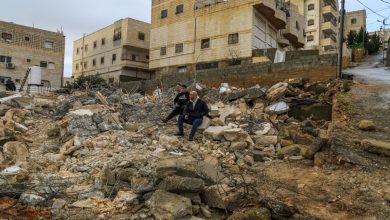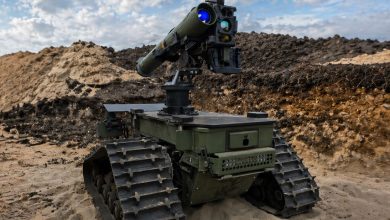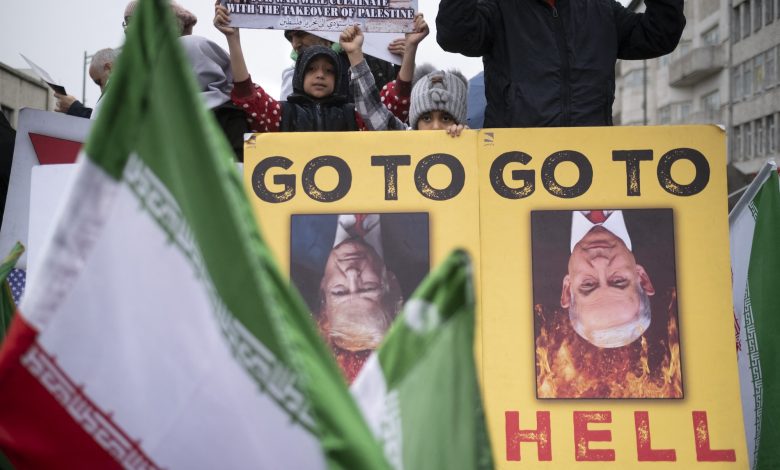
Four weeks in, the question is no longer what each side can still destroy. It is what they can no longer achieve.
Washington has floated a ceasefire framework to Tehran through intermediaries.
Iran says it is reviewing it while hardening its own terms: a halt to strikes and assassinations, guarantees against future attacks, reparations, a ceasefire across all fronts including Lebanon, and recognition of its position in the Strait of Hormuz.
The White House, in turn, threatens harsher strikes if Iran refuses.
This is not mixed signaling. It is what a war looks like when military pressure is rising faster than either side’s ability to turn it into a political outcome it can call victory.
This conflict has not exposed a shortage of force. It has exposed a surplus of objectives.
What Iran Cannot Achieve
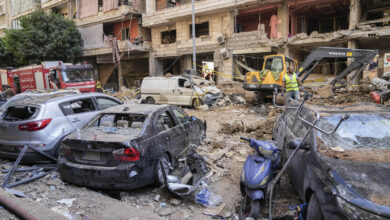
Tehran can still punish Israel. It can disrupt daily life, trigger alarms, and impose costs. But it has not shown it can inflict the kind of sustained damage that would alter Israel’s ability — or willingness — to keep fighting.
That matters. Iran’s deterrence has always rested on the promise that, in extremis, it could impose decisive pain. This war has tested that claim at scale. It has not delivered.
Nor has escalation produced the regional political shift Iran has long sought. Gulf states may resent the instability, but they have not moved to push the United States out of the region.
If anything, threats to shipping and energy infrastructure have reinforced their dependence on American power.
The same applies to Iran’s regional network.
Tehran insists any ceasefire must cover Lebanon and other fronts, but that demand reveals a weakness as much as leverage. Lebanon has already expelled Iran’s ambassador, underscoring how much weaker Iran’s regional position has become.
Allies under pressure are not the same as allies shaping the battlefield.
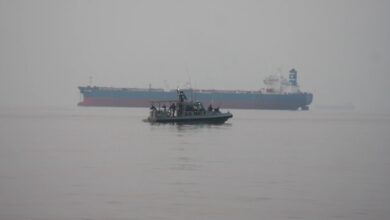
The Strait of Hormuz remains Iran’s sharpest tool, but also its clearest limit.
Tehran can threaten a chokepoint through which a significant share of global energy flows. But coercive power is not constitutive power. Iran can impose costs on the existing order; it cannot compel others to accept a new one on its terms.
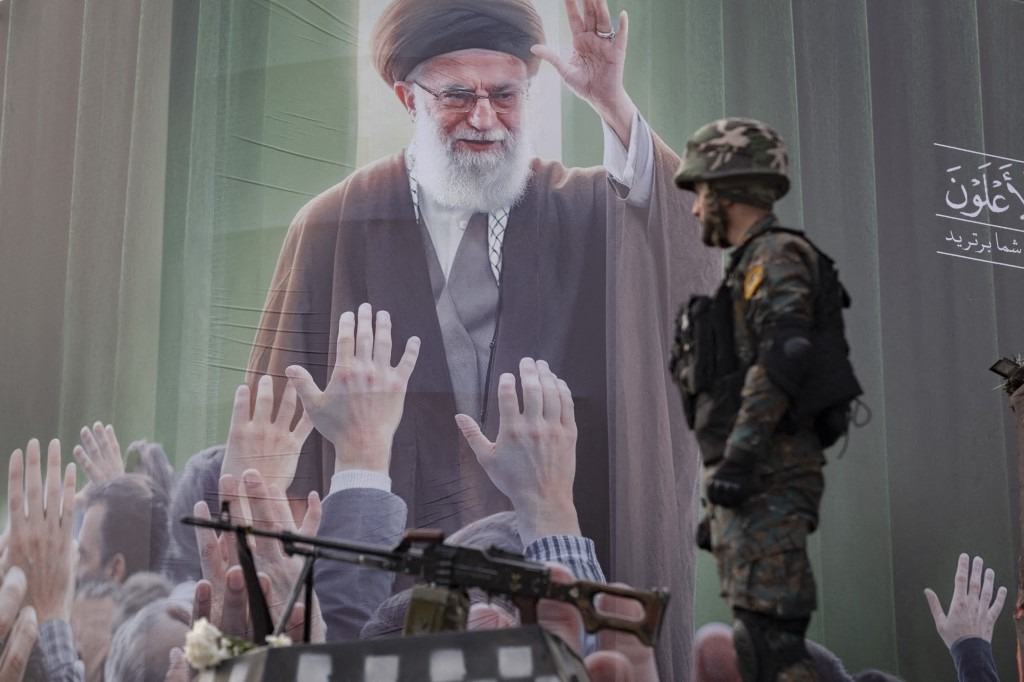
What Washington and Tel Aviv Cannot Achieve
The coalition’s limits are just as real.
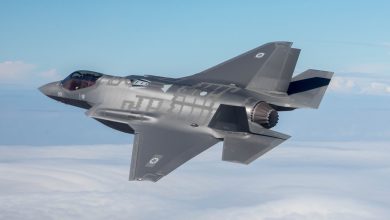
The first is regime change by air power. Strikes can degrade Iran’s military, its infrastructure, even parts of its leadership. But disabling a state is not the same as replacing it.
Weeks of targeting have battered the system without producing an alternative. The regime is weaker, more brittle, and more constrained. But it is still there, still fighting, and still shaping the terms of any potential endgame.
Air power can destroy faster than it can build. That gap has defined too many wars this century to ignore.
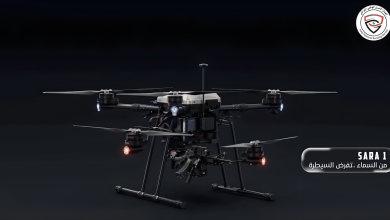
The second limit is the total elimination of Iranian retaliation. Even after heavy losses, Tehran retains the ability to fire missiles, launch drones, and disrupt regional systems. The goal has already shifted, quietly, from eliminating that threat to managing it.
That is not failure. But it quietly redraws what victory now means.
Finally, there is no easy return to the prewar order.
Disruption in Hormuz, attacks on infrastructure, and spillover across the region have exposed how fragile that order always was. Washington and Israel remain aligned in fighting the war. They are less aligned on what peace should look like, and that gap is exactly where Tehran is applying pressure.
The Likeliest Endgame
The outlines are already visible.
The American framework, Tehran’s harder conditions, the messages moving through intermediaries, and the visible gap between Washington and Tel Aviv’s preferred end-states all point in the same direction.
This war is moving not toward fulfilled maximal objectives, but toward a pause.
Iran will call it endurance. Washington will call it degradation. Israel will call it restored deterrence.
None of those labels will be entirely false, and none will be fully true. The deeper verdict is simpler and harsher: force is abundant in this war, but politically usable victory is not.

Mojtaba Touiserkani is an independent researcher and international relations scholar (Ph.D., University of Tehran).
The views and opinions expressed here are those of the author and do not necessarily reflect the editorial position of The Defense Post.
The Defense Post aims to publish a wide range of high-quality opinion and analysis from a diverse array of people – do you want to send us yours? Click here to submit an op-ed.