US Air Force Expands Push for Anti-UAS, Kamikaze Drone Tech

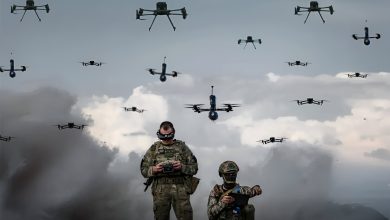
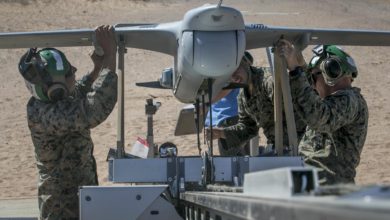
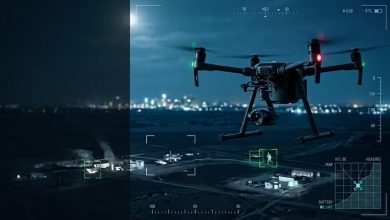
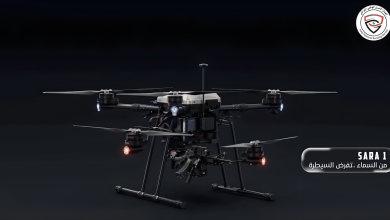
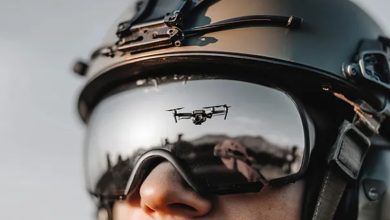
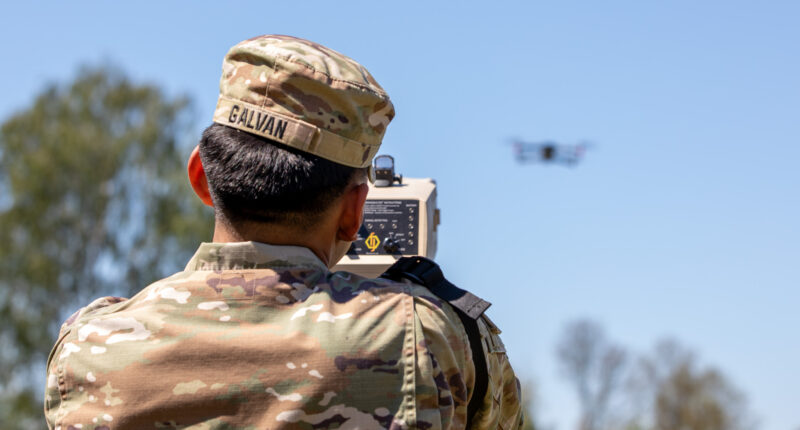
The US Air Force has issued three requests for information to industry covering unmanned aerial system (UAS) detection, counter-UAS weapons, and offensive one-way attack drones.
Two notices released in mid-March by North Dakota-based Point Defense Battle Lab target base defense against small UAS (sUAS) threats.
A third, published by the Air Force Life Cycle Management Center later in the month, seeks kamikaze drone solutions for special operations forces.
The service said the initiatives aim to “develop and validate Tactics, Techniques, and Procedures necessary to advance C-sUAS detection, tracking, interception, and neutralization.”
Awareness Capabilities
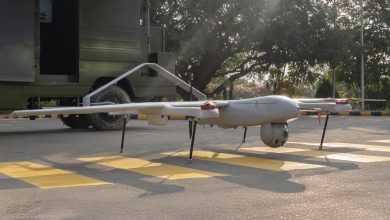
The first request focuses on localization, prioritizing Group 1 drones, or those weighing up to 20 pounds (9 kilograms) with a maximum operating altitude of 1,200 feet (366 meters), at ranges of 2 kilometers (1.2 miles) or more.
Desired capabilities include autonomous classification, multi-target tracking, operation in GPS-denied environments, and integration with existing fire control systems.
Hard-Kill Weapons
The second request calls for “rapidly deployable” hard-kill systems that small teams can install within two hours under harsh conditions.
The military is evaluating options, including precision-guided rockets, 30-millimeter airburst guns, automated weapon stations, AI-enabled interceptor drones, high-energy lasers, and high-power microwave systems capable of countering sUAS swarms.
Special Tactics Kamikaze Drones
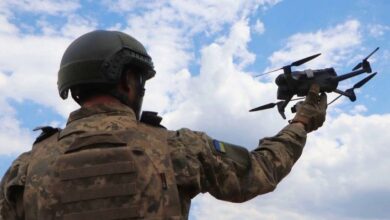
Separately, the US Air Force is exploring first-person view one-way attack drones for Special Tactics teams.
Kamikaze systems under this effort should have ranges of 10 to 20 kilometers (6 to 12 miles), GPS and cellular connectivity, frequency-hopping communications, and a payload capacity of up to 3 kilograms (7 pounds) for tasks such as precision strikes.
The military expects responses from potential partners through all projects until April 2026.