Battelle has secured a Defense Threat Reduction Agency’s (DTRA) Scientific and Technical Engagement Partnership (STEP) 2.0 contract for a prime biological threat mitigation initiative.
The deal includes a $52.9 million base period and carries a total potential value of $93.3 million if all options are exercised.
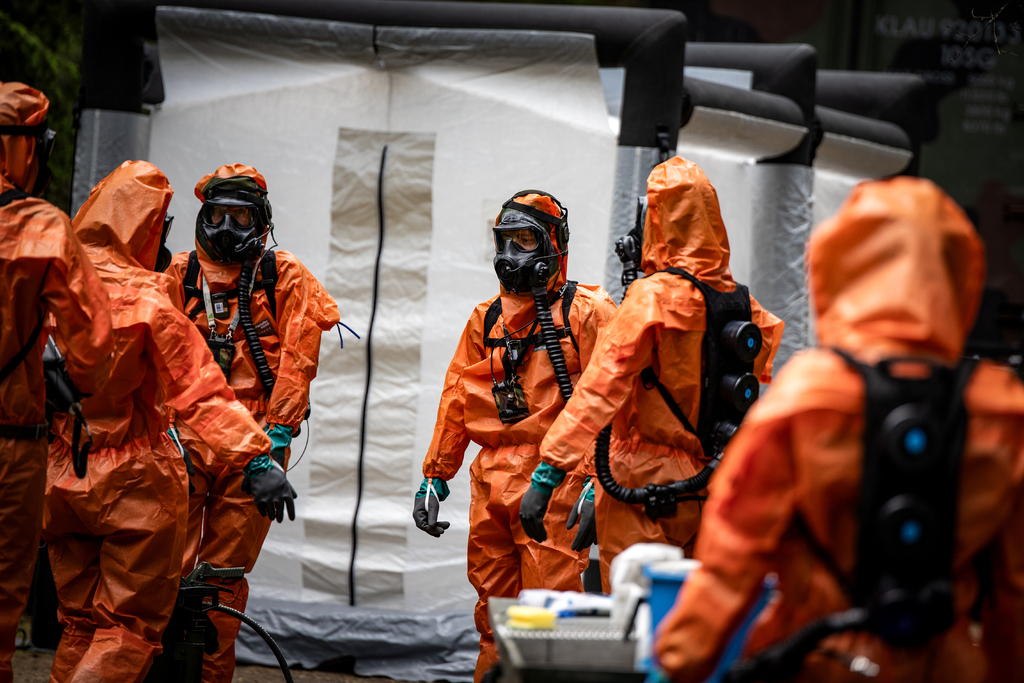
STEP 2.0 falls under the Defense Threat Reduction Agency’s Global Threat Reduction Directorate, which works to disrupt or counter weapons of mass destruction, including chemical, biological, radiological, and nuclear (CBRN) capabilities, often alongside allied nations.
Under the agreement, Battelle will support biodefense efforts aimed at bolstering US force readiness, with tasks centered on expanding scientific and technical solutions that address planned and emerging biological risks.
Battelle, headquartered in Columbus, Ohio, is a non-profit organization that conducts research and development as well as technical services to government and commercial customers across national security, health, energy, and environmental sectors.
“Battelle has a long and proud history of helping nations build resilient biosurveillance and biosecurity systems,” said Dan Pikora, general manager of Battelle’s National Security Business.
“With this new contract, we will expand that mission by partnering with DTRA and global collaborators to strengthen disease detection, characterization, and reporting capabilities that reduce the risk of biological threats before they can cause harm.”
Among Battelle’s latest military projects is the $25.35-billion ceiling technology support contract for the US Department of Defense’s electronics and software development, as well as the long-term CBRN testing, management, laboratory, and training assistance for the US Army Dugway Proving Ground.
Last December, the organization participated in a DARPA challenge for drone-assisted medical care operations, as the Pentagon seeks potential models of human-machine triage deployments for mass casualty events.