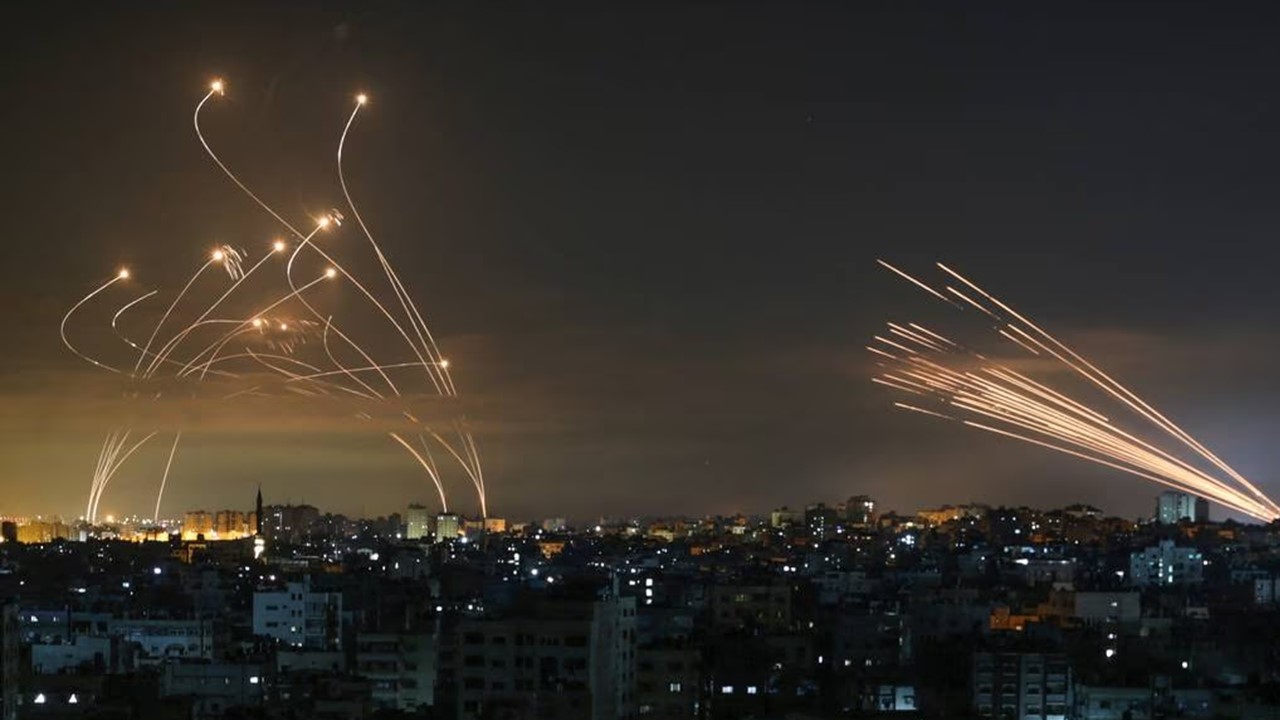
Short-range rockets, launched in large numbers, are designed to overwhelm defenses and force difficult political choices. Israel’s Iron Dome was built to break that strategy, turning speed and precision into a decisive advantage in battle.
What began as a national necessity quickly became a case study in modern air defense, influencing how militaries worldwide think about protecting cities, bases, and critical infrastructure.
From selective interception to layered defense, Iron Dome changed the rules. Dive into this guide to see how the system works and why it matters in today’s conflicts.
What Is Iron Dome?
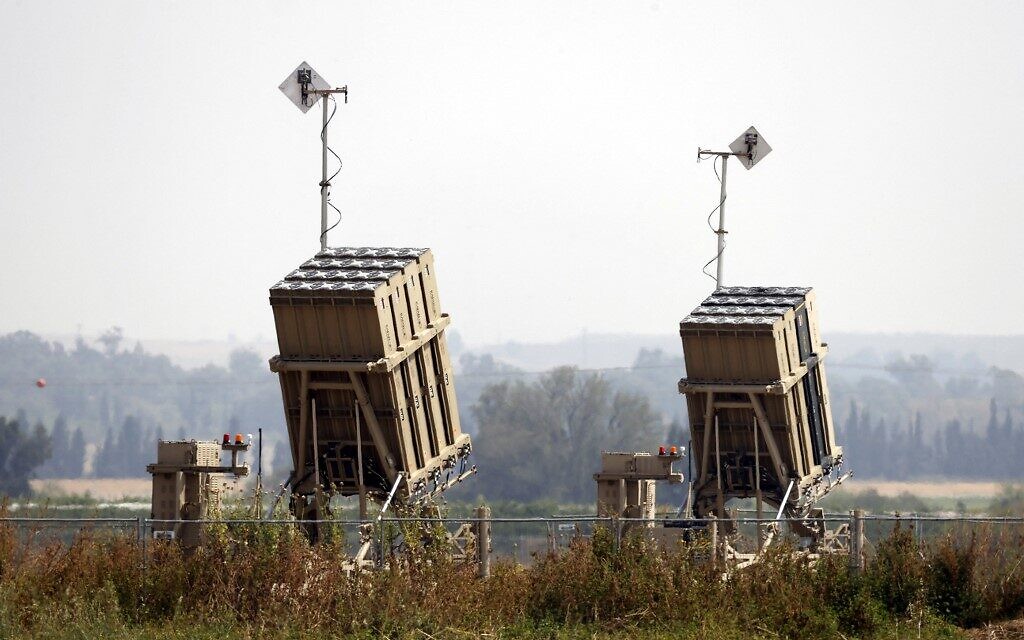
The Iron Dome is Israel’s mobile, short-range air and missile defense system designed to intercept rockets, artillery, and other low-altitude aerial threats before they reach populated areas or critical infrastructure.
The system uses radar tracking and battle-management software to determine whether an incoming projectile poses a real threat — engaging only those headed for high-value targets.
At the core of Iron Dome is the Tamir interceptor missile, which is launched within seconds to destroy incoming threats midair.
By combining rapid detection, selective interception, and proven battlefield performance, Iron Dome serves as the first layer of Israel’s multi-tiered air defense network, protecting civilians while shaping how modern nations approach short-range air defense.
Origins of the Iron Dome Program
Iron Dome was developed in response to a growing threat from short-range rockets and artillery fired by non-state actors and hostile groups operating near Israel’s borders.
During conflicts in the 2000s, Israeli cities and towns were increasingly targeted by unguided rockets that were cheap, plentiful, and difficult to counter with traditional air defense systems.
Conventional missile defenses were either too expensive, too slow, or poorly suited to intercept small, short-range projectiles. Israel needed a system that could respond rapidly, discriminate threats, and intercept only what truly mattered, all at a sustainable cost.
Developed by Rafael Advanced Defense Systems and the Israeli Ministry of Defense, with US funding, Iron Dome was designed specifically to address this challenge.
Inside the Iron Dome System
Iron Dome is a mobile, all-weather air defense system optimized for short-range threats.
Each Iron Dome battery consists of three main components:
- Detection and tracking radar: Identifies incoming rockets and tracks their flight paths immediately after launch.
- Battle management and control: Calculates whether the projectile is likely to hit a populated area or a critical site.
- Interceptor launchers: Fire Tamir interceptor missiles at confirmed threats.
The system’s defining feature is its selective engagement logic. If a rocket is projected to land in an uninhabited area, Iron Dome does not intercept it. This approach conserves interceptors and keeps costs manageable during large-scale attacks.
When an intercept is authorized, the Tamir interceptor missile is launched. Using radar guidance and onboard sensors, Tamir maneuvers to destroy the incoming threat midair, typically at short range and low altitude.
Here’s a simple table detailing the process:
| Step | Function | Details |
| Detection | Radar identifies incoming projectiles | Radar detects rockets, artillery, or short-range missiles immediately after launch |
| Tracking and Threat Assessment | Calculates trajectory | The system predicts whether the projectile will hit a populated area or critical infrastructure |
| Decision Making | Engages or ignores | If the threat is heading toward a safe area, Iron Dome does not intercept |
| Interceptor Launch | Tamir missile fired | Tamir interceptor is launched to destroy the incoming projectile midair |
| Guidance and Interception | Mid-course adjustments | Onboard sensors and radar guidance steer the interceptor toward the threat |
| Impact or Neutralization | Threat destroyed | The interceptor detonates near the projectile, destroying it before it can reach its target |
Strengths and Limitations
Iron Dome excels in:
- Round-the-clock protection: Provides continuous defense against aerial threats, regardless of weather conditions or time of day.
- Flexible and integrated countermeasure solution: Designed to counter cruise missiles, unmanned aerial vehicles, rockets, artillery, and precision-guided munitions.
- Multi-mission platform: Built on common, modular components that allow deployment across both terrestrial and maritime environments.
- Defense of fixed and semi-fixed assets: Protects critical infrastructure, military bases, and other high-value sites.
- Maximum safety for friendly aircraft: Operates with strict engagement rules to avoid endangering allied air operations.
- Easy integration: Compatible with a variety of radar and detection systems for seamless networked defense.
- Adaptive and evolutionary design: Continuously upgradable to address emerging threats and evolving missile or drone technologies.
However, it is not a universal solution. Iron Dome is vulnerable to:
- Long-range ballistic missiles
- Hypersonic weapons
- Advanced cruise missiles
- High-end aircraft threats
- Saturation attacks
For this reason, it operates as part of Israel’s layered air defense network, alongside systems like Iron Beam (laser air defense), David’s Sling (medium-range threats), and Arrow (long-range ballistic missile defense).
The Dome Beyond Israel
Iron Dome has been used extensively in combat, intercepting thousands of rockets fired toward Israeli territory.
Israeli officials have consistently reported interception rates of around 85 to 90 percent for rockets deemed threatening, though exact figures vary depending on the engagement and source.
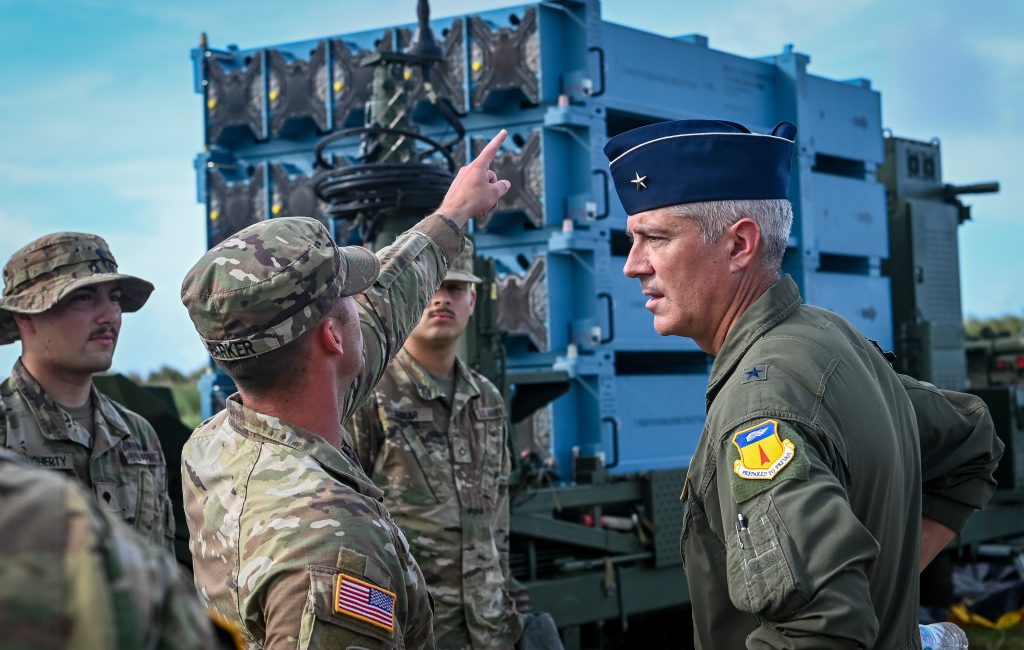
The system has attracted international attention, including from the UK, Romania, Turkey, South Korea, Canada, and the US.
By combining rapid detection, smart threat discrimination, and reliable interception, the Iron Dome has transformed Israel’s ability to defend against short-range aerial threats.
While not a standalone shield against all forms of attack, Iron Dome remains a defining example of how modern air defense can protect civilians, stabilize crises, and reshape the calculus of conflict in an era of increasingly accessible precision and saturation weapons.