Lithuania has launched the fourth edition of the RADAROM! fundraising campaign, aimed at financing robotic systems for Ukraine’s armed forces.
Now open, the campaign will run until February 24 as the war in Ukraine enters its fifth year.
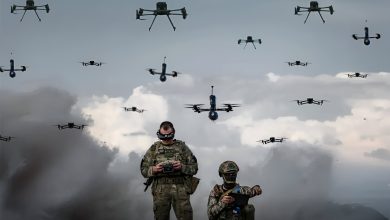
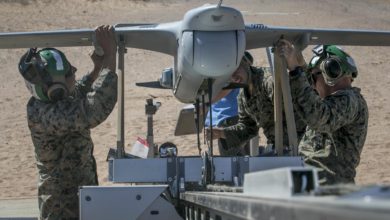
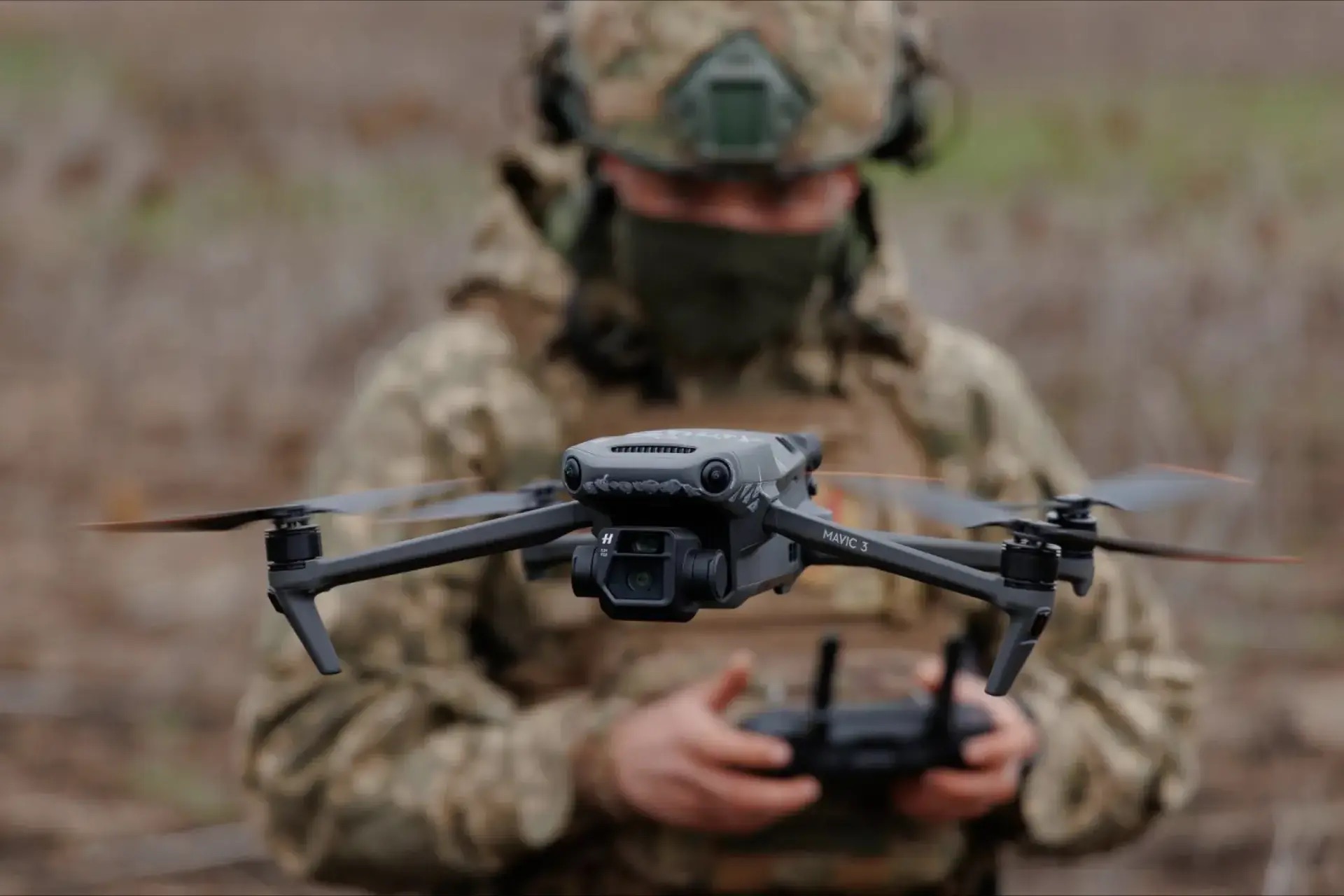
Funds raised will be used to procure a range of systems, including tracked ground robots equipped with machine gun turrets and AI-based target detection and recognition tools, as well as radio-electronic warfare and reconnaissance assets.
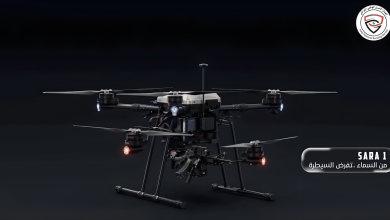
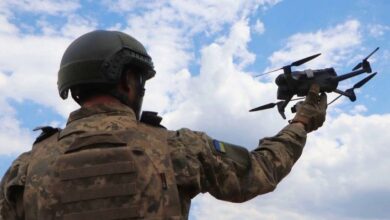
Additional equipment includes cargo transport robots, systems for evacuating wounded personnel, drone-based battlefield reconnaissance and battle-management platforms, long-range drones, and drone interceptors.
A fully equipped robotic unit can cost up to 250,000 euros ($297,000).
Jonas Ohman, head of Blue/Yellow, one of the organizations behind the campaign, said the initiative reflects changes in how the war is being fought, Lithuanian media reported.
He said the systems are selected based on requests from the Ukrainian military and are already being used on the front lines for logistics, combat-related tasks, and the evacuation of wounded personnel from areas unsafe for human movement.
In its previous edition, the RADAROM! campaign raised 8.5 million euros ($10.1 million), which was used to purchase 1,141 soldier protection kits.
Each kit includes individual anti-drone systems, night-vision monoculars, and laser sights, manufactured by Lithuanian companies Brolis Semiconductors and NT Service.
Military Assistance
Vilnius has played a key role in strengthening Ukraine’s defense capabilities since Russia’s 2022 invasion.
Last year, the Baltic nation, together with other European countries, announced a joint $500 million contribution to NATO’s PURL initiative, which enables the procurement of US-supplied military equipment for Kyiv.
In November 2024, Ukraine and Lithuania signed an agreement covering the joint production of unmanned systems and components, as well as electronic warfare technologies, alongside plans for collaborative research and development.
Earlier in 2024, Vilnius pledged to donate 5,000 locally manufactured first-person view drones to Ukraine to enhance its battlefield firepower.