Estonia, Latvia, Belgium Receive First BLAZE Autonomous Interceptor Drones

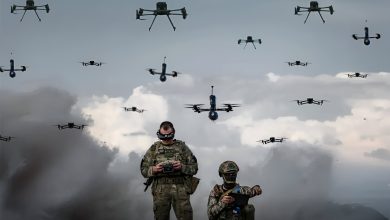
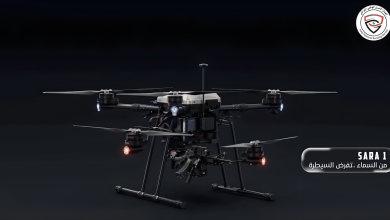
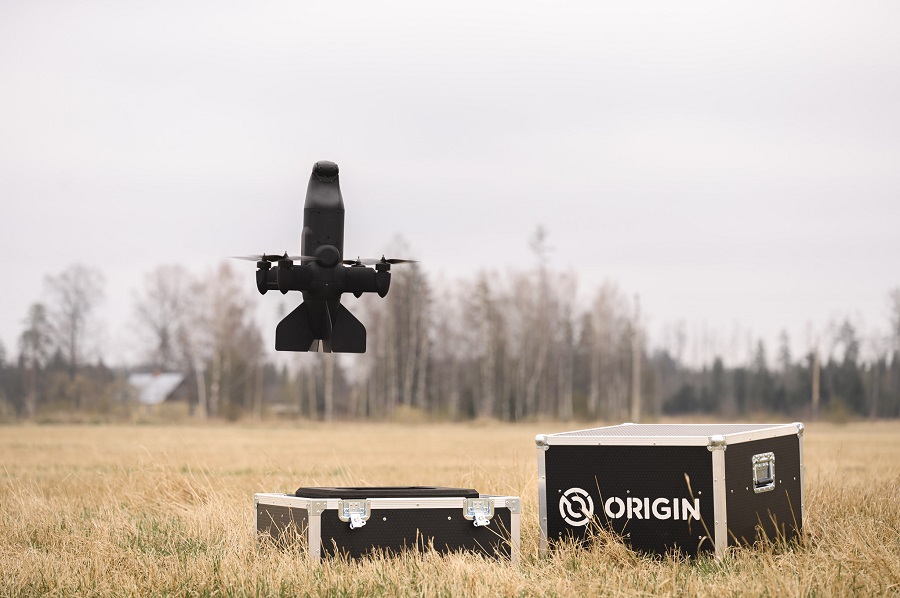
Estonia, Latvia, and Belgium have begun receiving BLAZE autonomous interceptor drones from Origin Robotics.
Just months after announcing their procurement plans, all three NATO nations started taking delivery of Origin’s BLAZE interceptor systems in January.
Origin Robotics, headquartered in Latvia, developed the system with a STANAG‑compliant warhead module and designed it for quick integration and NATO interoperability.
Latvia began its order in early October 2025, while Belgium followed in November with a 50-million-euro ($59-million) allocation for counter‑drone systems. Estonia placed its order soon after.
Deliveries are being made in batches, and all three countries are now in the initial stages of receiving and integrating the BLAZE systems into their defense networks.
Origin says the autonomous interceptor unmanned aerial vehicle (UAV) is operational upon delivery and ready for immediate use, a contrast with traditional procurement cycles that can stretch over multiple years.
National evaluation teams — including Latvia’s Autonomous Systems Competence Center — will test and determine how best to integrate the BLAZE capability into existing air defense architectures.
Autonomous Interceptor Drones
Autonomous interceptor drones are unmanned aerial systems that use onboard sensors and artificial intelligence to autonomously detect, track, and engage other UAVs without requiring direct human control throughout an engagement.
These systems contrast with traditional, manually piloted intercept approaches by making in‑flight decisions to counter drone threats in contested environments.
Similar autonomous or semi‑autonomous counter‑drone technologies have been pursued in other countries.
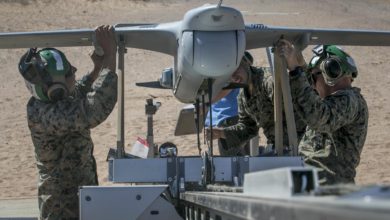
US forces have incorporated DroneHunter systems from Fortem Technologies, capable of autonomously detecting and intercepting small UAVs using AI, radar, and net capture techniques.
These systems can act alone or in cooperative groups to guard airspace.
Meanwhile, Ukraine and the UK are co‑producing Octopus‑100 autonomous interceptor drones designed to autonomously detect and destroy enemy UAVs mid‑flight, with early production efforts expanding allied industrial cooperation in 2025.
Israeli defense firms have also showcased autonomous counter‑drone solutions as part of national trials, including radar‑guided interceptor drones and autonomous spatial systems capable of processing signals of interest to handle UAV threats, with trials involving multiple local manufacturers in 2025.