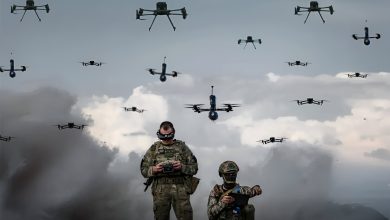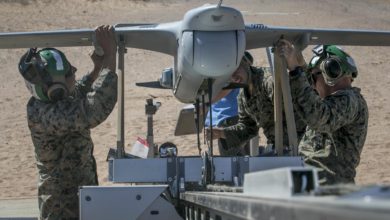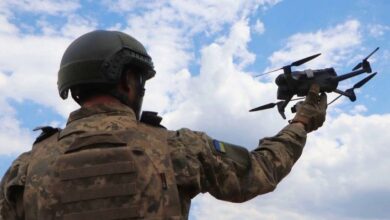
India has selected Shield AI to supply its V-BAT unmanned aerial systems to the Indian Army, including licenses for the company’s Hivemind autonomy software, which will be integrated into the V-BAT platform.
Hivemind operates as V-BAT’s autonomous pilot, enabling AI-based sensing, extended-range operations, threat avoidance, and mission completion without human intervention.
The deal also includes a software development kit that allows New Delhi to develop, deploy, and test autonomous mission capabilities across multiple platforms, while giving Indian partners the ability to build tailored solutions locally.
“India’s selection of V-BAT and Hivemind for the Indian Army reflects a clear understanding of the resilient, expeditionary autonomy required by modern militaries operating across India’s diverse environments,” stated Sarjan Shah, Shield AI’s managing director for India.

V-BAT Drone
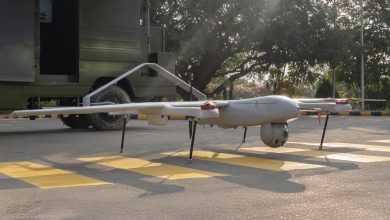
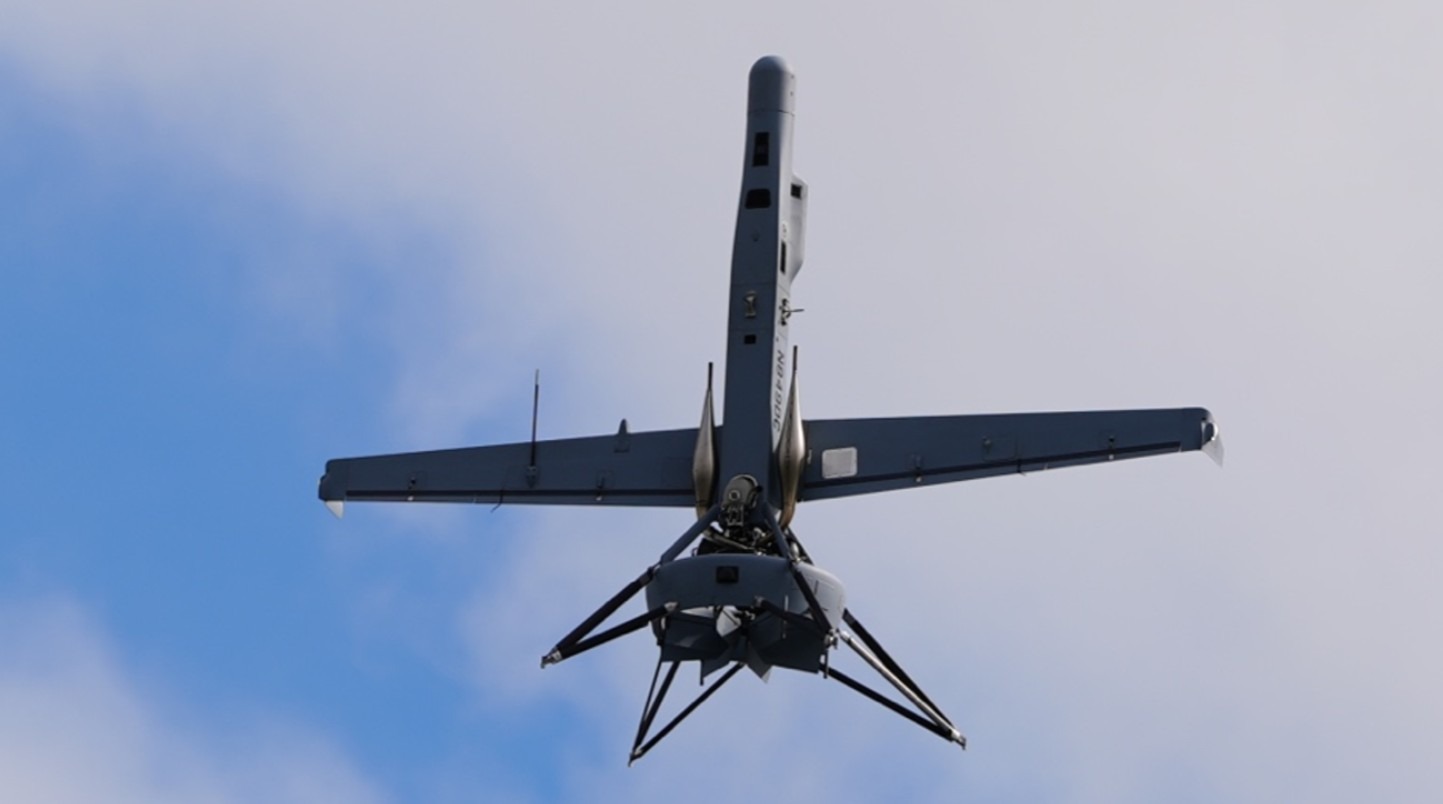
The V‑BAT is a vertical take‑off and landing drone system with a ducted‑fan design that allows it to transition from hover to forward flight without a runway or external launch system.
It has a wingspan of 2.9 meters (9.7 feet) and a length of approximately 2.7 meters (9 feet), with a maximum takeoff weight of 73 kilograms (161 pounds).
Depending on configuration and environmental conditions, V‑BAT can carry a payload of up to 18 kilograms (40 pounds) while remaining airborne for more than 13 hours for persistent intelligence, surveillance, and reconnaissance tasks.
The V‑BAT’s modular architecture supports integration of sensors and payloads, including electro‑optical/infrared cameras, synthetic aperture radar, and satellite communications.
Ongoing Cooperation
The agreement follows Shield AI’s ongoing investment in the Asian country, including a $90-million facility under construction by JSW Defence Pvt in Hyderabad, in south-central India.
The facility will manufacture V‑BAT drones and serve the operational needs of the Indian Armed Forces.
According to JSW, the project is backed by a long-term technology transfer agreement that grants the company the rights to produce the system domestically and establish a local supply chain.