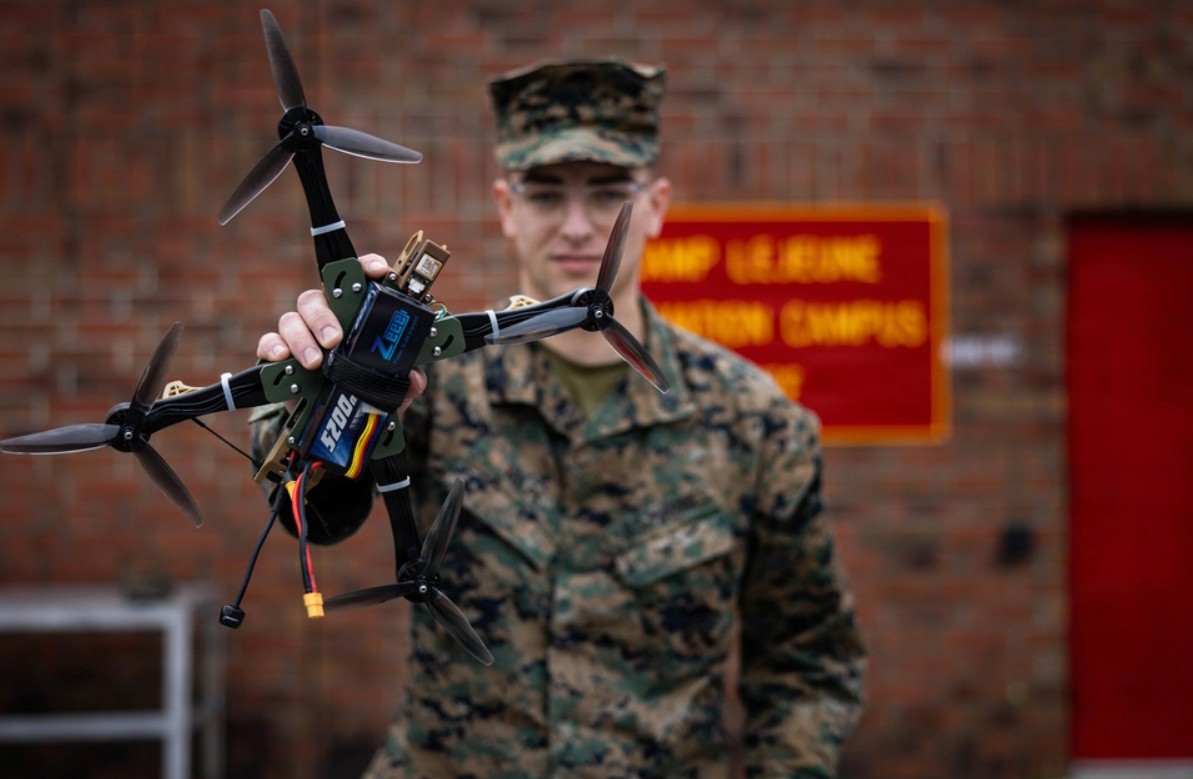
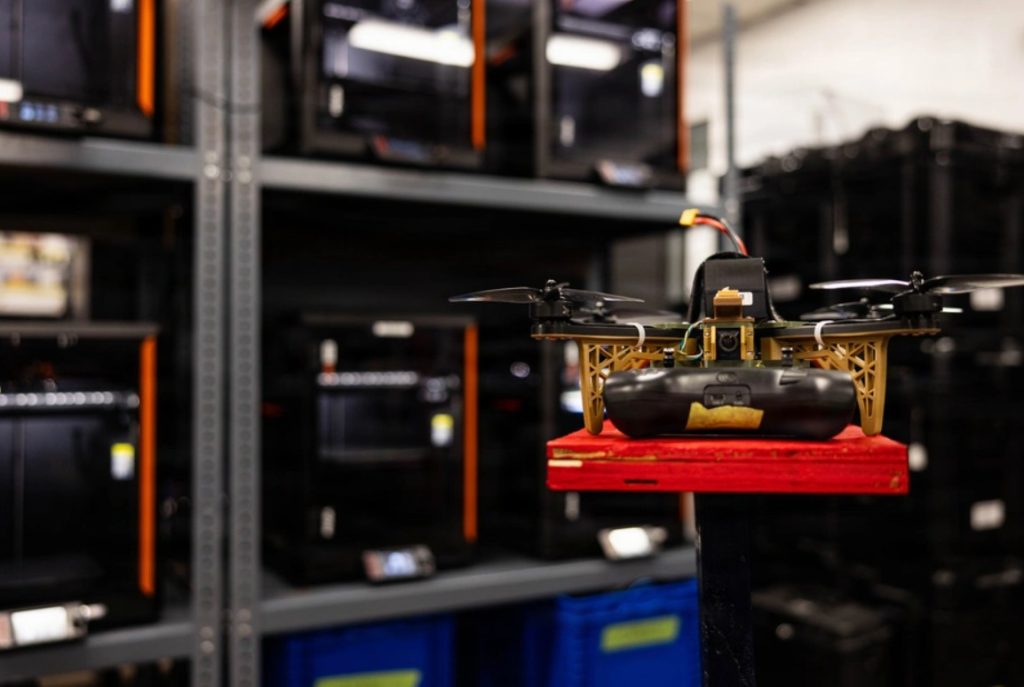
The 2nd Marine Logistics Group has developed the US Marine Corps’ first National Defense Authorizing Act (NDAA)-compliant 3D-printed drone, dubbed HANX.
Being fully NDAA-compliant ensures the HANX is resistant to potential backdoors in electronic components, making it safe for use across all marine units.
The platform was designed and built at the II Marine Expeditionary Force Innovation Campus, which aims to enable in-house production of modular, low-cost drones tailored to operational needs without relying on external contractors.
HANX received flight approval from the Small Unmanned Aerial Systems program office at Naval Air Systems Command after over 1,000 hours of design, assembly, and testing using NDAA-compliant components.
Following approval, the Innovation Campus developed a framework for in-house production of 3D-printed modular drones, enabling any US Marine unit to manufacture, maintain, and deploy the platform.
The system’s modular design allows rapid adaptation for missions such as reconnaissance, logistics, or one-way attacks, providing a low-cost, flexible solution to meet operational needs.
“Some explosive ordnance disposal Marines, are about to buy 20 of these, and they’re going to be strapping explosives to it,” said US Marine Corps Sgt. Henry David Volpe, an automotive maintenance technician who led the development of HANX.
Volpe explained that the drone is low-cost and easy to modify, making it simpler to use for a variety of missions across the military, unlike contractor-purchased drones, which cannot be altered.
‘Drone Dominance’
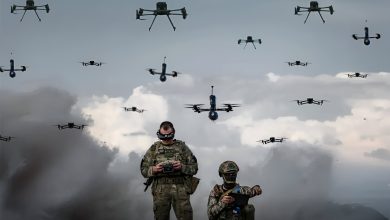
The move aligns with the US “drone dominance” push to expand low‑cost loitering munition capacity across military forces while streamlining acquisition processes.
Last month, Washington introduced a $1-billion Pentagon initiative to accelerate domestic drone production, targeting roughly 300,000 systems over two years.
The program aims to establish a sustainable domestic manufacturing base for unmanned systems, enabling rapid fielding of affordable, modular drones while reducing dependence on foreign technology and supply chains.