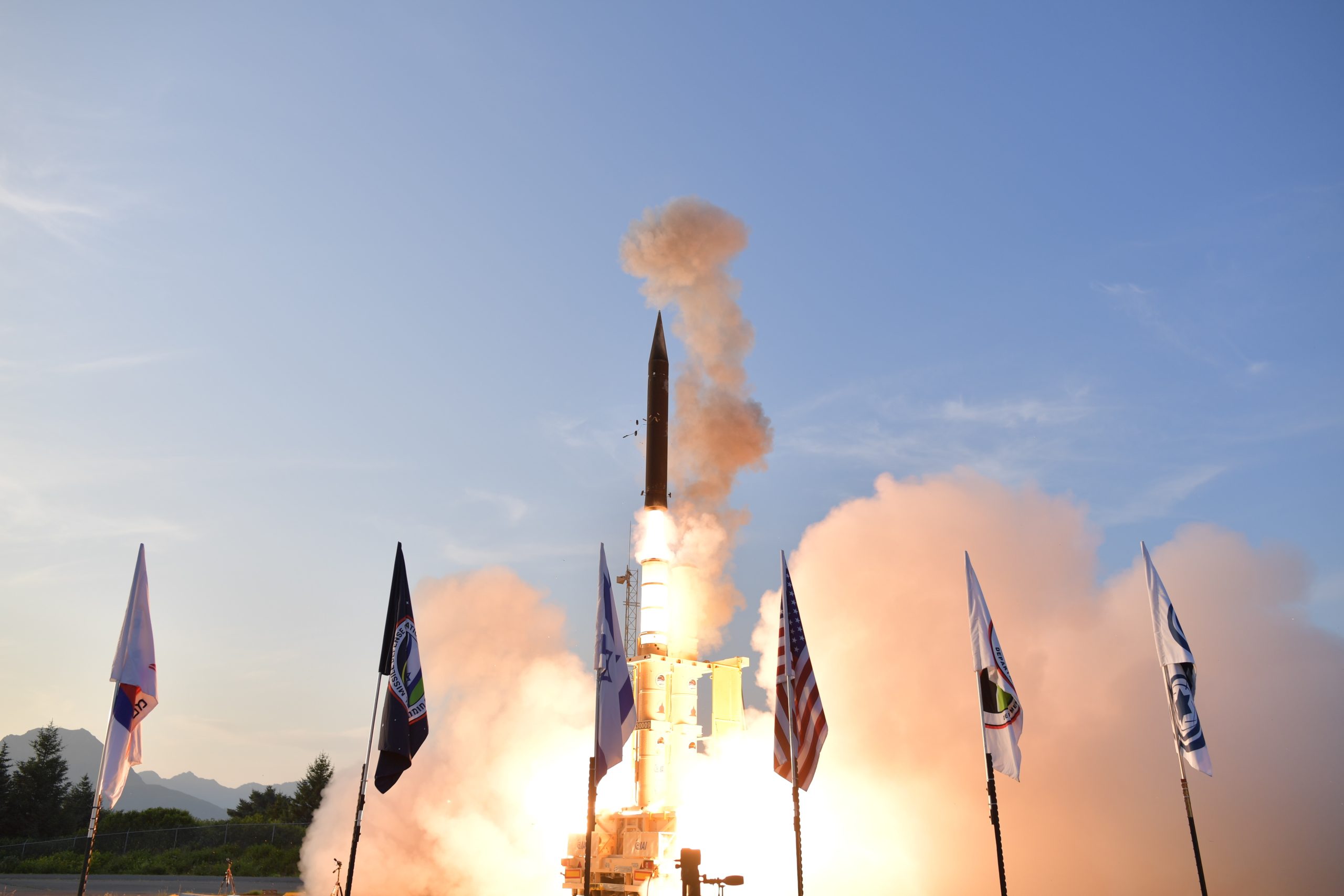
The Arrow missile system is one of the world’s first operational long-range anti-ballistic missile networks, developed by Israel and the United States to intercept and destroy incoming ballistic missiles at high altitudes.
Conceived during a period when regional missile threats were growing, the Arrow reflects Israel’s push to create a layered missile defense that could stop threats of varying ranges before they reach populated areas.
This explainer uncovers how the system came to life, how it works, and its role in modern air and missile defense.
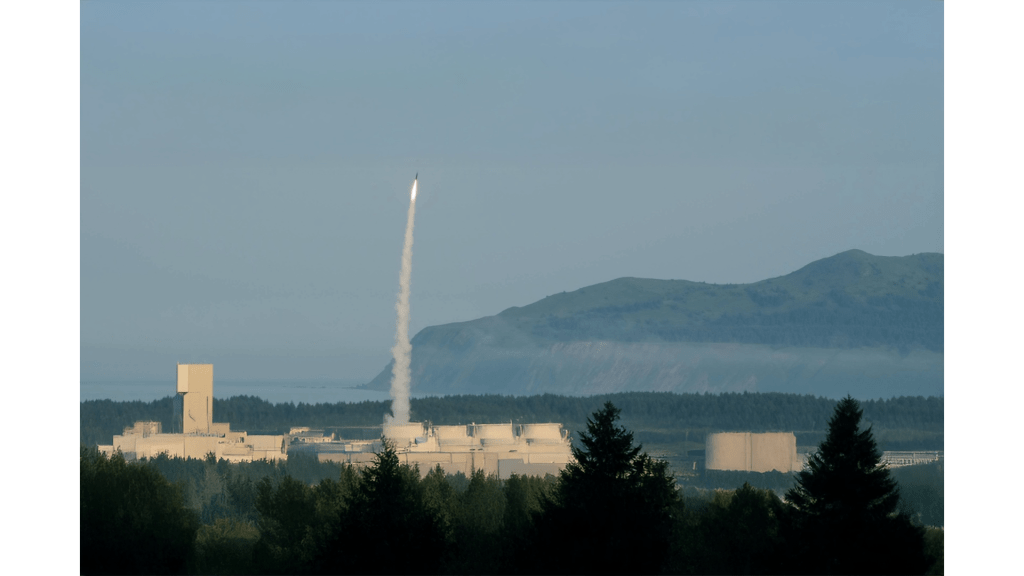
Making of the Arrow Missile
The Arrow missile traces its origins to the late Cold War, when Israel began seeking an effective counter to the growing threat of regional long-range strike systems.
The urgency grew after Iraqi attacks with Scud missiles during the 1991 Gulf War highlighted critical gaps in missile defense.
In response, Israel Aerospace Industries (IAI) partnered with the US Missile Defense Agency to create an exo-atmospheric interceptor capable of engaging ballistic missiles before they could reach Israeli territory.
Arrow-2, the first operational version, entered service in the early 2000s as the world’s first operational, national, stand-alone, anti-tactical ballistic missile defense system.
The program has since evolved into a layered, multi-tiered missile defense network, including systems such as Iron Dome and David’s Sling.
The Arrow Family: Layered Interceptors for Layered Threats
The Arrow system is a networked missile defense ensemble that detects, tracks, and intercepts long-range threats. These are the variants:
- Arrow-2: A two-stage, solid-fuel interceptor optimized for short- and medium-range ballistic missiles within the mid and upper atmosphere. It uses a dual-seeker system — active radar plus imaging infrared — to guide a fragmentation warhead and reach high altitudes (around 50 kilometers/31 miles) for engagement.
- Arrow-3: The exoatmospheric interceptor capable of engaging threats in space. Smaller, lighter, and faster than the Arrow-2, it destroys incoming warheads via direct collision.
- Arrow-4 (in development): A next-generation interceptor intended to counter maneuverable and hypersonic threats while maintaining compatibility with existing Arrow infrastructure.
How the Arrow System Works
The Arrow system operates as an integrated air and missile defense network composed of several main elements: sensors, command-and-control centers, and interceptor missiles.
It destroys incoming missiles through direct impact (hit-to-kill) or proximity detonation, depending on the variant and interception altitude.
The system is anchored by a powerful ground-based phased-array radar known as Green Pine, which can spot approaching warheads from as far as 500 kilometers (310 miles) away and provide an early warning before missiles even crest the horizon.
That data is processed through a battle-management and fire-control network, which then cues Arrow interceptor missiles for high-altitude engagements.
Arrow missiles launch vertically from sealed canisters mounted on mobile, six-cell erector-launcher units. The system supports rapid reaction and can engage multiple threats in parallel, coordinated by the battle-management center.
Each layer complements Israel’s other defense systems — Iron Dome for short-range rockets and David’s Sling for medium-range missiles — forming a tiered defensive network that adapts to different altitudes and threat profiles.
Key Limitations
- Range and coverage: Low-altitude or sudden threats can slip past radar.
- Cost: Exact production and procurement costs are classified, but arrow interceptors are estimated to cost $3 million to $4 million per unit.
- Network reliance: The system depends on radar and command/control links.
- Magazine depth: Launchers hold a limited number of missiles, creating potential gaps.
- Saturation risk: Swarms of missiles or decoys can overwhelm defenses.
- Trajectory limits: Optimized for high-altitude and exo-atmospheric threats; low-flying or unconventional missiles remain harder to counter.
Operational Role and Strategic Context
In operational use, the Arrow system forms the top layer of Israel’s multi-tiered air defense network. Its long reach allows early interception of ballistic missiles before they enter Israeli airspace, minimizing potential fallout or debris over populated regions.
The system has been placed on alert during regional tensions and has successfully engaged ballistic threats in live conditions — demonstrating the ability to intercept missiles at extreme range and altitude.
By engaging threats early, Arrow provides critical reaction time and redundancy for lower-tier systems like David’s Sling and Iron Dome to handle any remnants or secondary threats.