HII’s AI-Driven ROMULUS Powers UK’s New ARMOR Naval Concept

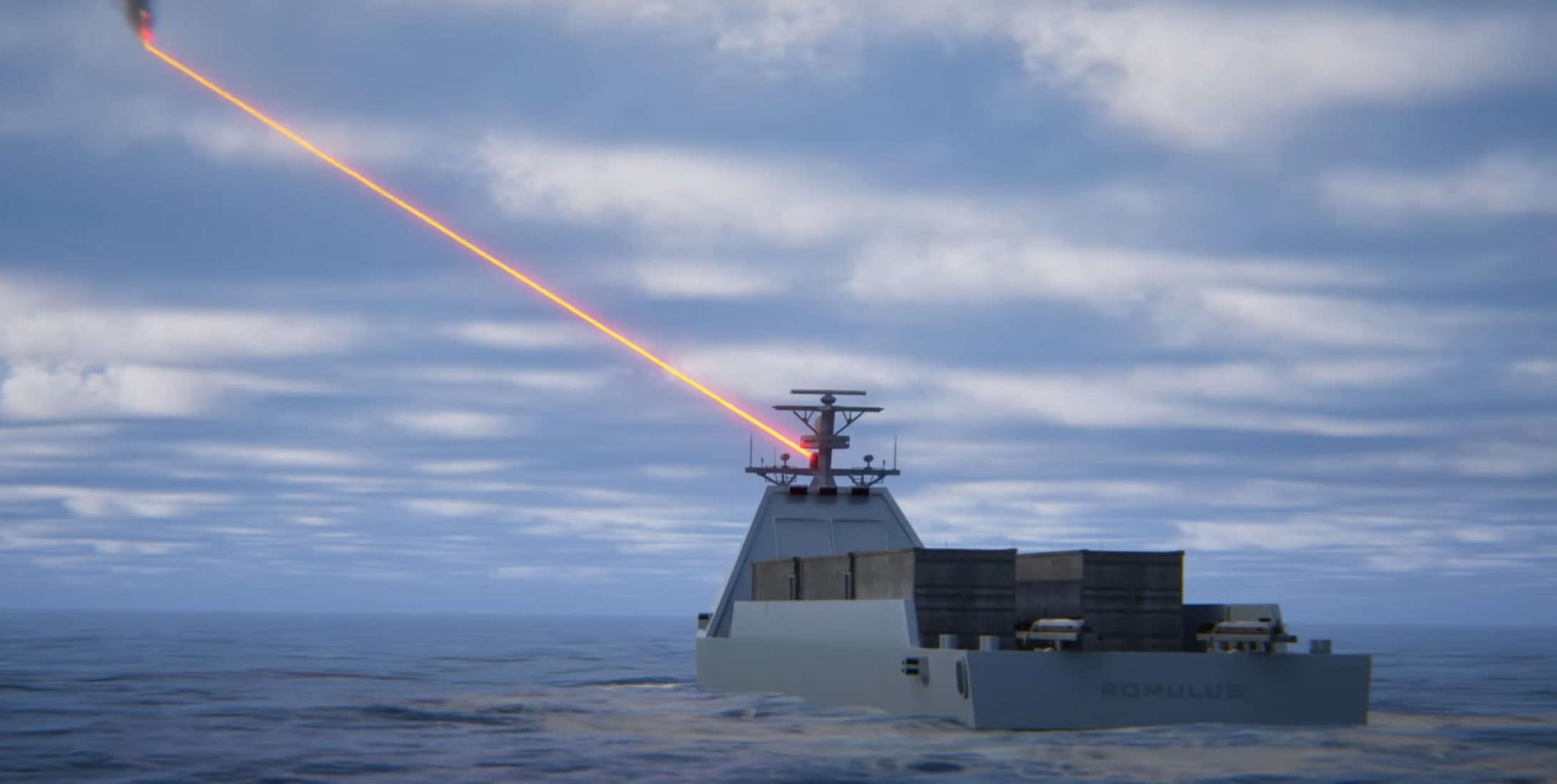
HII’s AI-enabled ROMULUS family of unmanned surface vessels (USVs) is taking a central role in Babcock International’s newly unveiled ARMOR Force concept.
Babcock’s ARMOR — short for Autonomous and Remote, Maritime Operational Response — frames autonomy not as an accessory but as a core element of the Royal Navy’s future naval operations.
Rather than relying on a single platform, the architecture is designed as a network of disaggregated vessels and mission modules linked through advanced digital command-and-control tools.
Through partnerships with HII and UK-based Arondite, Babcock plans to equip the navy’s Type 31 frigates with a Common Command Vessel configuration capable of controlling large uncrewed surface vessels, modular mission Persistent Operational Deployment Systems (PODS), and autonomous systems at scale.
The plan revolves around a mix of assets: large USVs derived from HII’s ROMULUS line, modular PODS for rapid mission changes, and an autonomous mission system expected to be deployable by the end of 2026.
ROMULUS vessels bring high-endurance autonomy and rapid production potential, while Babcock will design the handling systems that allow PODS to move seamlessly onto the USVs.
HII President and CEO Chris Kastner underscored ROMULUS’ role in that vision, calling it “a game-changing” capability that brings scale, autonomy, and real operational advantage, supported by a production line already established.
Expanding Autonomous Capabilities
The ARMOR concept arrives amid a wider acceleration of autonomy adoption across the Royal Navy. In recent years, the service has fielded a growing set of unmanned and remotely operated systems to expand its reach, reduce operational risk, and tighten coordination with NATO partners.
One of the most visible moves was the deployment of autonomous minehunting platforms operated from shore or from motherships, replacing legacy mine countermeasures vessels.
The NavyX accelerator has also pushed rapid experimentation, putting uncrewed surface vessels, quadcopters, and AI-enabled mission software into regular trials with frontline units.
The service additionally commissioned the XV Patrick Blackett, an experimental vessel dedicated to autonomy and data-fusion trials, and has incorporated uncrewed aerial vehicles aboard frigates and support ships to extend reconnaissance ranges without exposing aircrews.