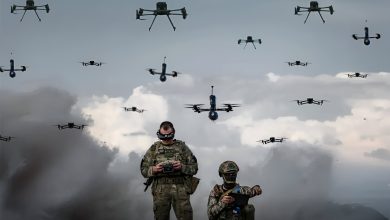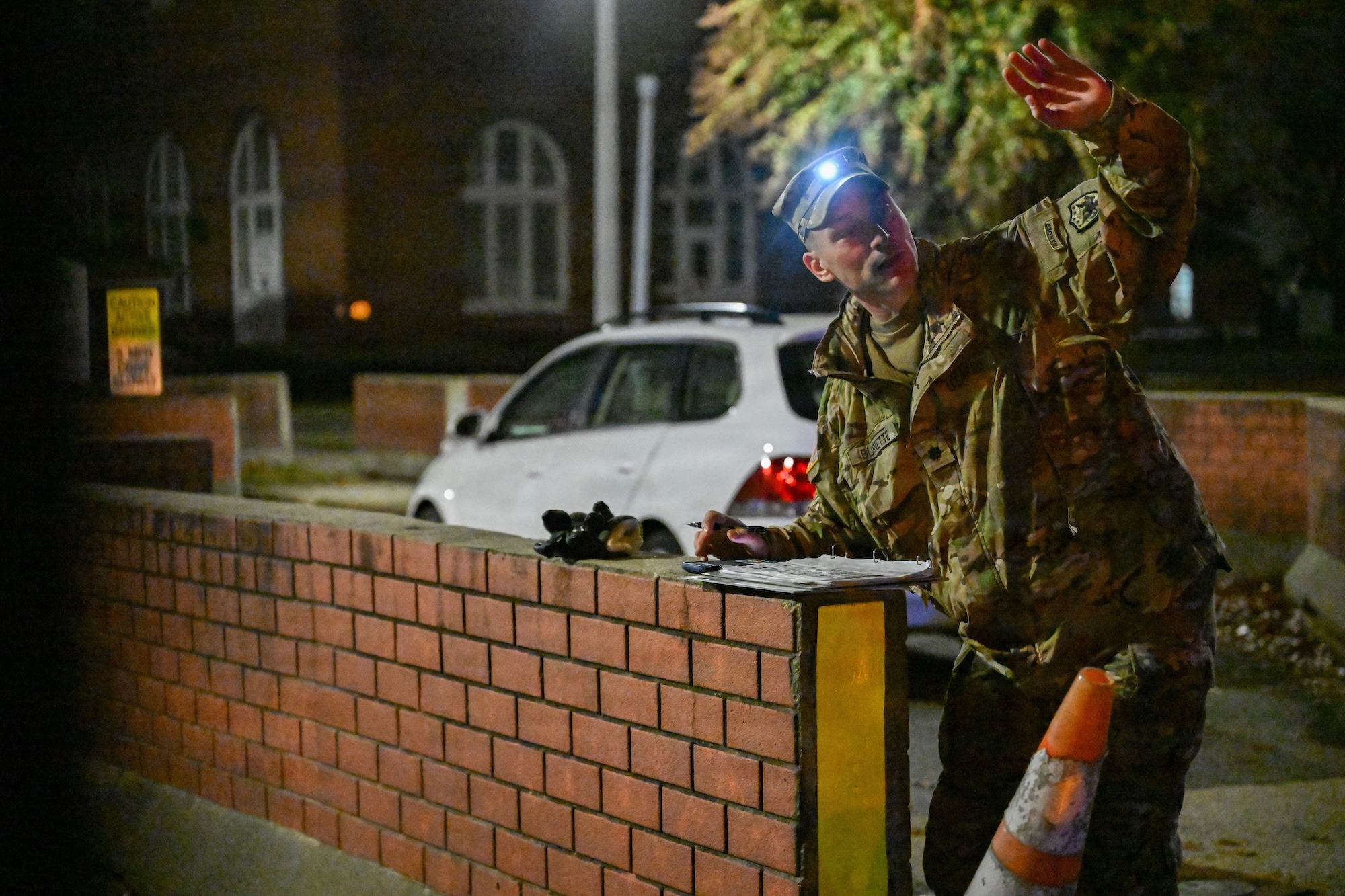
The US Army has carried out a large-scale drone simulation to strengthen the Pentagon’s ability to detect and counter unmanned aircraft in the capital region.
Findings from the drill will feed into a broader exercise planned between January and May next year, expected to involve additional military sites.
The goal is to pinpoint gaps in counter-drone defenses and apply the lessons to nearby installations.
Planners aim to improve air domain awareness, enabling quicker and more precise detection of drone activity in the DC area and across the US.
The initiative follows a June directive from Secretary of Defense Pete Hegseth urging renewed attention to drones and drone defense.
Leading the planning were Army Lt. Cols. Brian Reynolds, head of the Mission Assurance Division, and Jesse Burnette, Joint Staff Director of Operations, with the Joint Task Force–Military District of Washington, hosting the drill.
Supporting units included the Air Force, Navy, Marine Corps, Coast Guard, and local police.
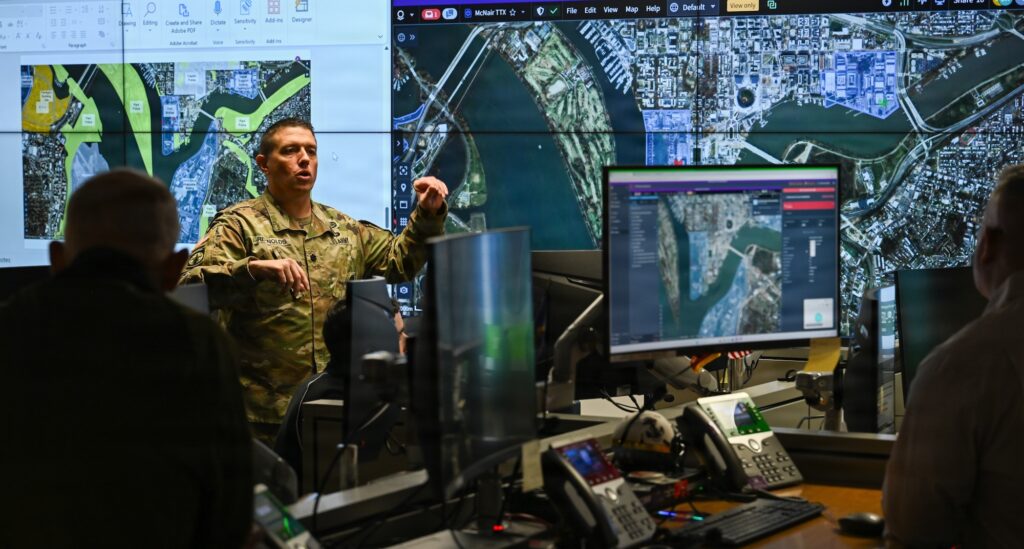
Building Counter-Drone Capabilities
During the exercise, pilots launched drones from several areas around Fort McNair and from the National War College, simulating different threat scenarios, including insider activity.
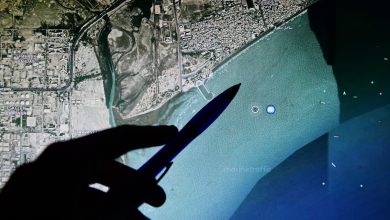
Another launch point was set at Hains Point, between the Potomac River and the Washington Channel, to mimic an external incursion.
At each site, operators tested the drones’ ability to hover, maneuver, and enter restricted areas in real-time during daylight.
At night, teams repeated the tests to assess how well existing detection systems and the handheld devices used by military police responded to potential threats.
“All these systems are tested in a perfect world scenario out in a desert or out in a very remote area, rarely are they tested in the situations and environments that they operate in. To our knowledge, this is kind of the first time that’s ever been done,” stated Reynolds.