Every war convinces militaries that its dominant technologies are the future. Then the next conflict arrives, and those lessons collapse on contact with new geography.
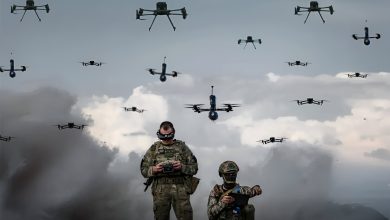
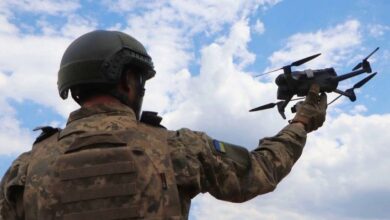
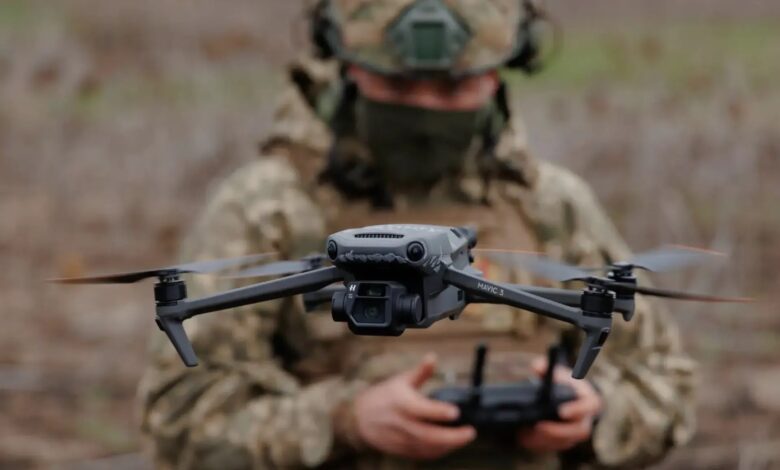
Today, analysts treat Ukraine’s battlefields as a crystal ball, insisting that low-cost drones have made tanks obsolete, that helicopters can’t survive modern air defenses, or that airborne forces no longer have a role.
But these conclusions assume the next war will look like the Donbas: fortified, industrial, dense, static.
It won’t.
Technology trends change quickly; terrain does not. And terrain, far more than any single innovation, determines which systems thrive or fail.
Ukraine’s Terrain Creates Today’s Drone-Dominated War
The fighting in eastern Ukraine is uniquely suited to first-person view (FPV) drones, loitering munitions, dense ISR, and static electronic warfare.
Both Ukraine and Russia operate in compressed distances with abundant concealment, layered trench networks, and hardened industrial zones. This makes short-range drones devastating and movement punishing.
The result is warfare that resembles the attritional campaigns of World War l more than any modern maneuver war.
But what happens if peace efforts fail and the conflict shifts west of the Dnieper? Western Ukraine is more open, less industrial, and far less fortified. Hedgerows and tree lines exist, but they do not offer the deep cover that FPV teams rely on.
In broader, rolling terrain, mobility — not entrenchment — becomes decisive. We’ve already seen hints of this during shifts along the front: when lines move rapidly, drone units on both sides struggle to keep pace, adapt, and maintain control links.
The lesson is simple: today’s dominant systems work because the terrain allows them to. Change the terrain, and the hierarchy of technologies changes with it.
Armies Fail When They Train for the Last War
History offers a clear precedent.
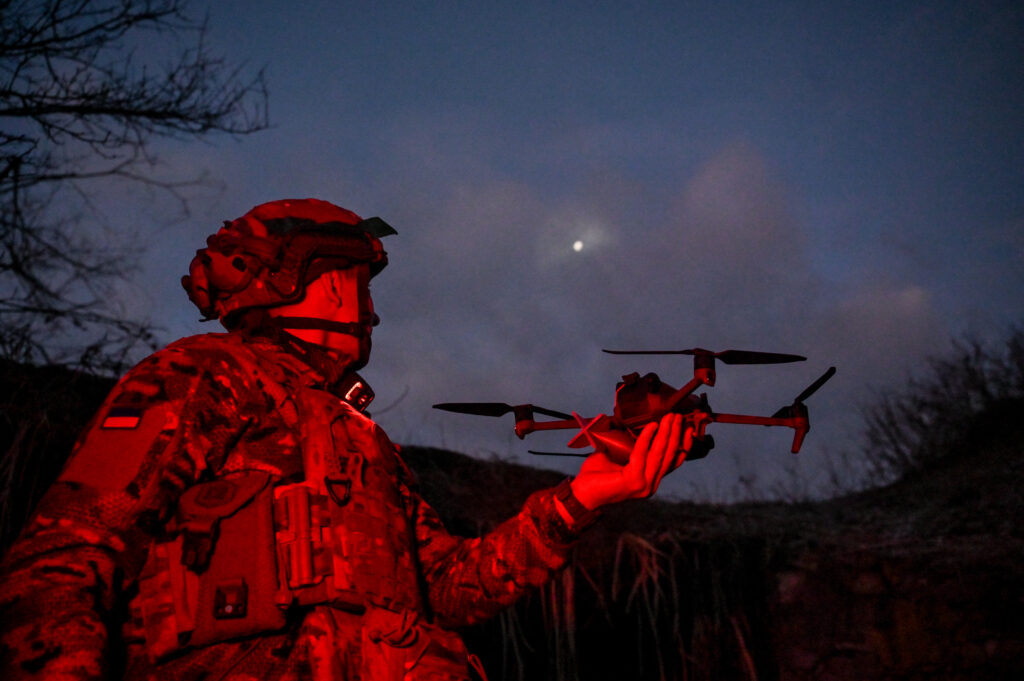
In 1940, US Army Chief of Staff George C. Marshall warned his officers, “We are not trying to train the Army for the last war. We are trying to train it for the next war.”
The United States then undertook one of the most ambitious peacetime training efforts in its history: vast maneuvers across Arkansas, Louisiana, and the Carolinas.
These didn’t just test doctrine; they explored how forests, rivers, and open farmland shaped logistics, armor employment, and combined-arms maneuver.
At the same time, the US military prepared for radically different environments: desert warfare in California, jungle warfare in the Canal Zone and Pacific, and amphibious operations across the Pacific Islands.
The M4 Sherman tank, often criticized for its armor and gun, was designed not to win duels with German Tiger tanks but to cross European bridges, fit on standard cargo ships, and maneuver across diverse terrain.
Terrain shaped doctrine and equipment, not the other way around. Western defense planning today needs a similar shift in perspective.
Consider the major environments where the next conflict could occur:
Desert Warfare: Sinai, Arabia, and the Sahel
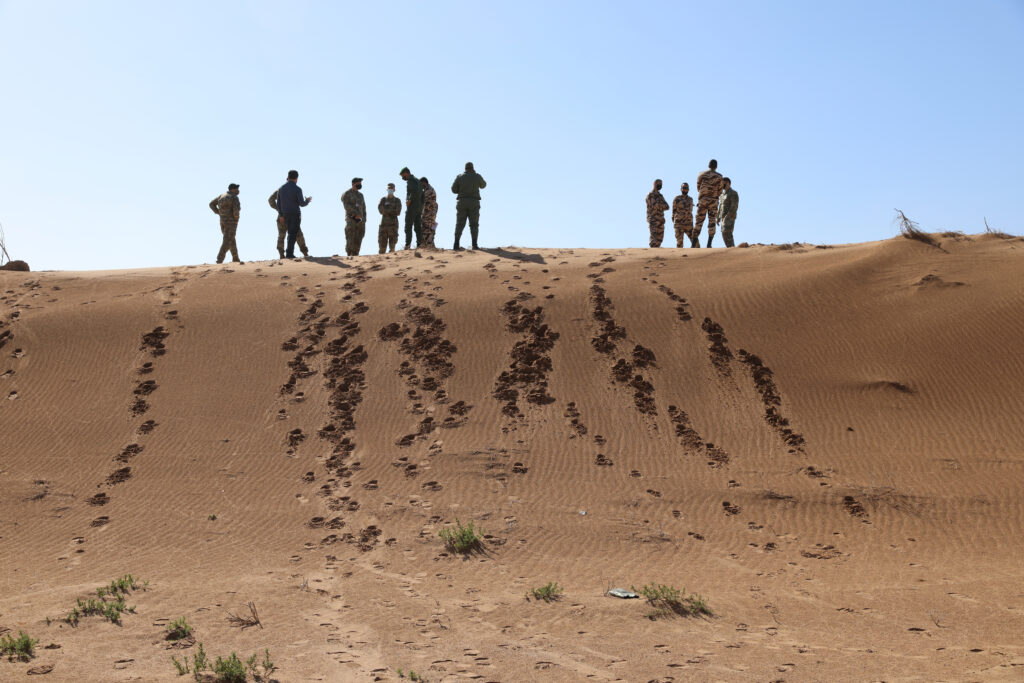
Future desert warfare, whether in the Sinai, the Arabian Peninsula, or North Africa, will resemble Desert Storm or the Arab-Israeli wars far more than the fighting in Ukraine. Open landscapes favor maneuver warfare, not slow-moving assaults against fortified positions.
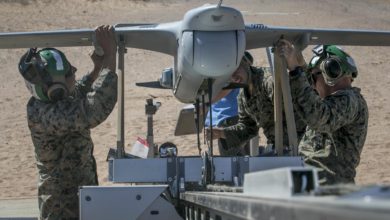
Static drone launch sites are exposed and easily bypassed. FPV drones, lethal in forests and trenches, struggle to find or track dispersed armored formations.
The innovative Russian use of motorcycle-borne infantry in Ukraine is good for quick dashes across fields, but useless in wide open spaces.
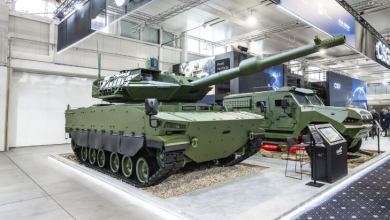
Tanks, artillery, and manned aviation would regain relevance, provided they stay mobile. As German Field Marshall Erwin Rommel proved at Bir Hakeim in 1942, speed kills, and static systems and fortifications die.
Arctic Warfare: A Battlefield Without Terrain
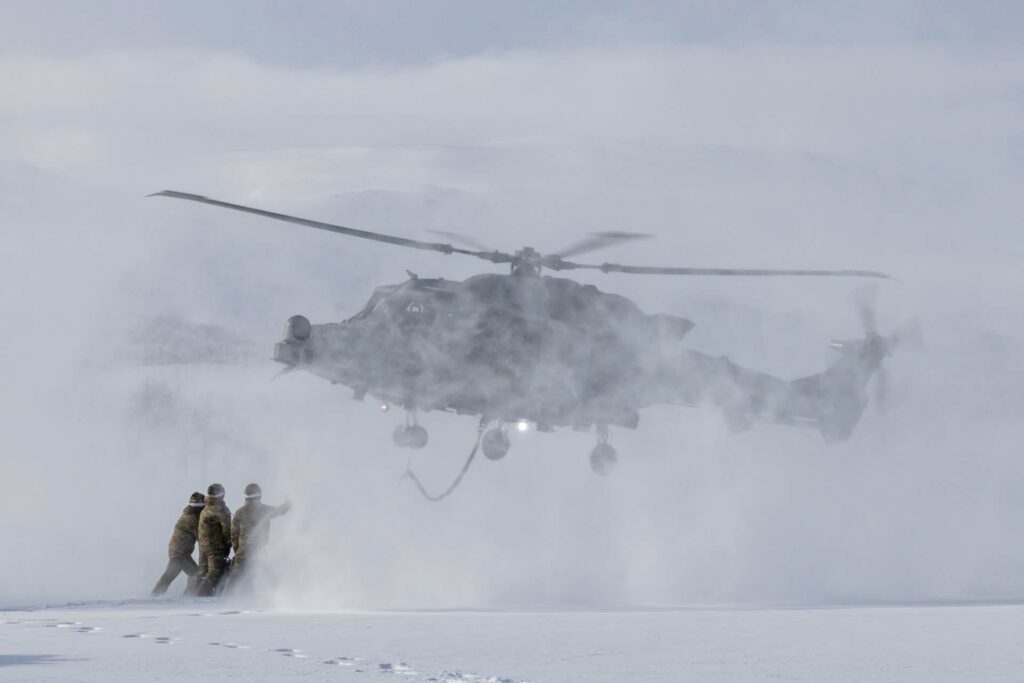
In the Arctic, the battle would be shaped not by obstacles, but by absence: snow, ice, wind, and vast distances.
ISR is abundant, but sustaining forces is brutally difficult. Cold degrades batteries, optics, and drone performance; magnetic interference disrupts navigation. Here, logistics, not drones, will determine success.
Aside from the Russians, a few NATO allies, including the US, Canada, and Norway, train for Arctic conflict, but few nations are prepared to sustain large-scale operations in this unforgiving theater.
Jungle Warfare: Southeast Asia and the Pacific
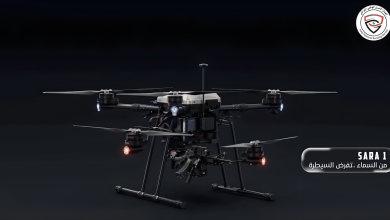
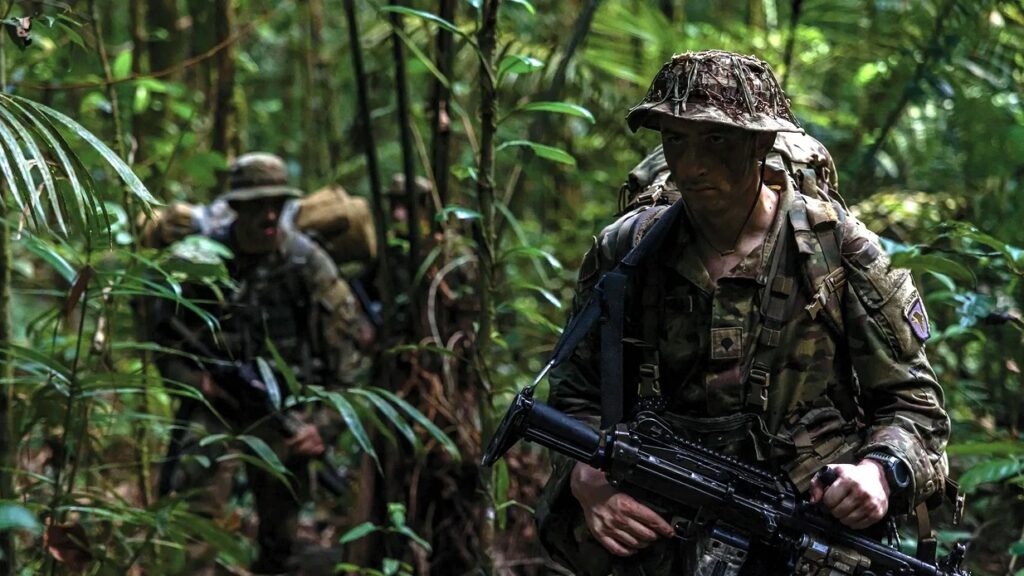
Jungle terrain negates the advantages drones enjoy in Ukraine. Line-of-sight is short. GPS is unreliable. Electronic warfare is inconsistent. Drones may find use in resupply or limited overwatch roles, but FPVs lose range and signal beneath canopy.
Close-in infantry combat, ambushes, and small-unit tactics dominate. Precision munitions matter far less when the enemy is hard to fix. Logistics and resupply become the decisive factor.
Any overreliance on drones in this environment would be quickly punished by the terrain, and soldiers’ experience, training, and cunning.
Mountain Warfare: Iran, Kashmir, the Caucasus
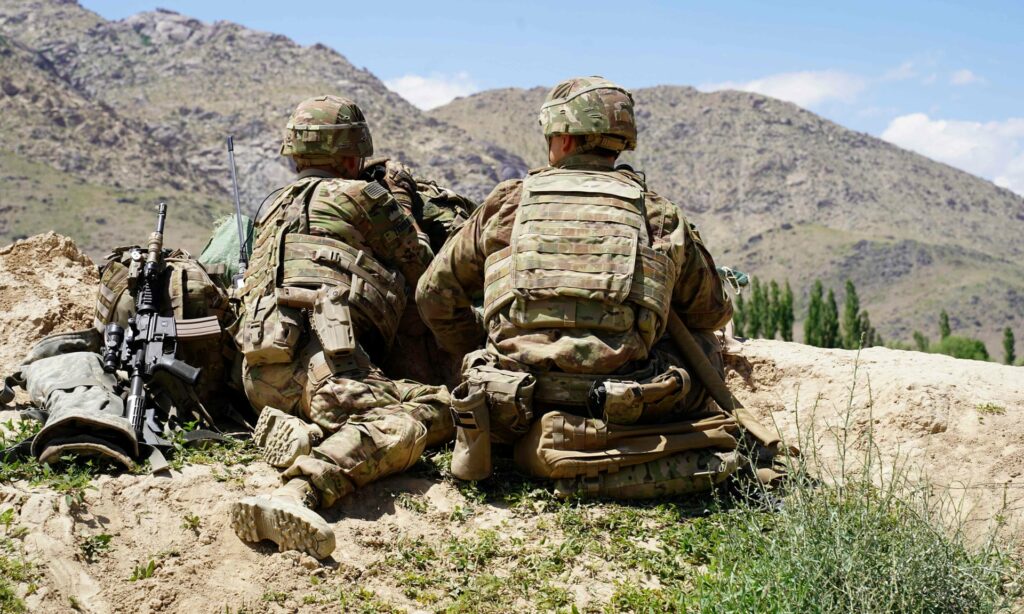
Mountain terrain imposes the harshest constraints on drone warfare.
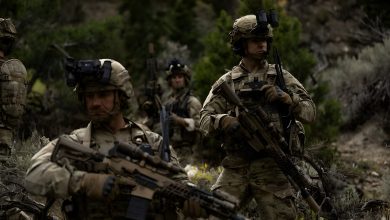
Thin air reduces lift and endurance. Narrow valleys restrict flight paths. Communications degrade. Drones become localized assets, not decisive systems.
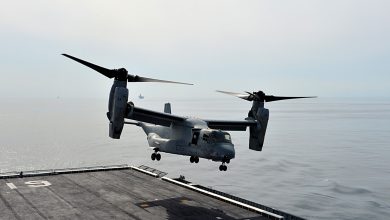
Infantry becomes the primary arm, supported by helicopters only when survivable.
Air superiority will not be a given as it was in Afghanistan, and future conflict in this environment would not resemble Ukraine, but rather Italy’s failed attempts to break through Austro-Hungarian defenses on the Isonzo Front in World War l.
Across all these environments, the same truth emerges: the technologies dominating Ukraine today are not universal.
Russia Is Learning the Right Lessons. Are We?
Predicting the future of war is dangerous when we ignore geography. Ironically, Russia may be learning the right lessons.
Russian academies and research institutes are already integrating Ukraine’s experience into long-term planning. Crucially, they are not assuming that future wars will look like the current one.
Western defense establishments, meanwhile, risk designing a force perfectly tuned for the wrong battlefield.

John Beckner is the CEO of a UK aerospace company involved in maritime intelligence and ISR systems and data.
The views and opinions expressed here are those of the author and do not necessarily reflect the editorial position of The Defense Post.
The Defense Post aims to publish a wide range of high-quality opinion and analysis from a diverse array of people – do you want to send us yours? Click here to submit an op-ed.