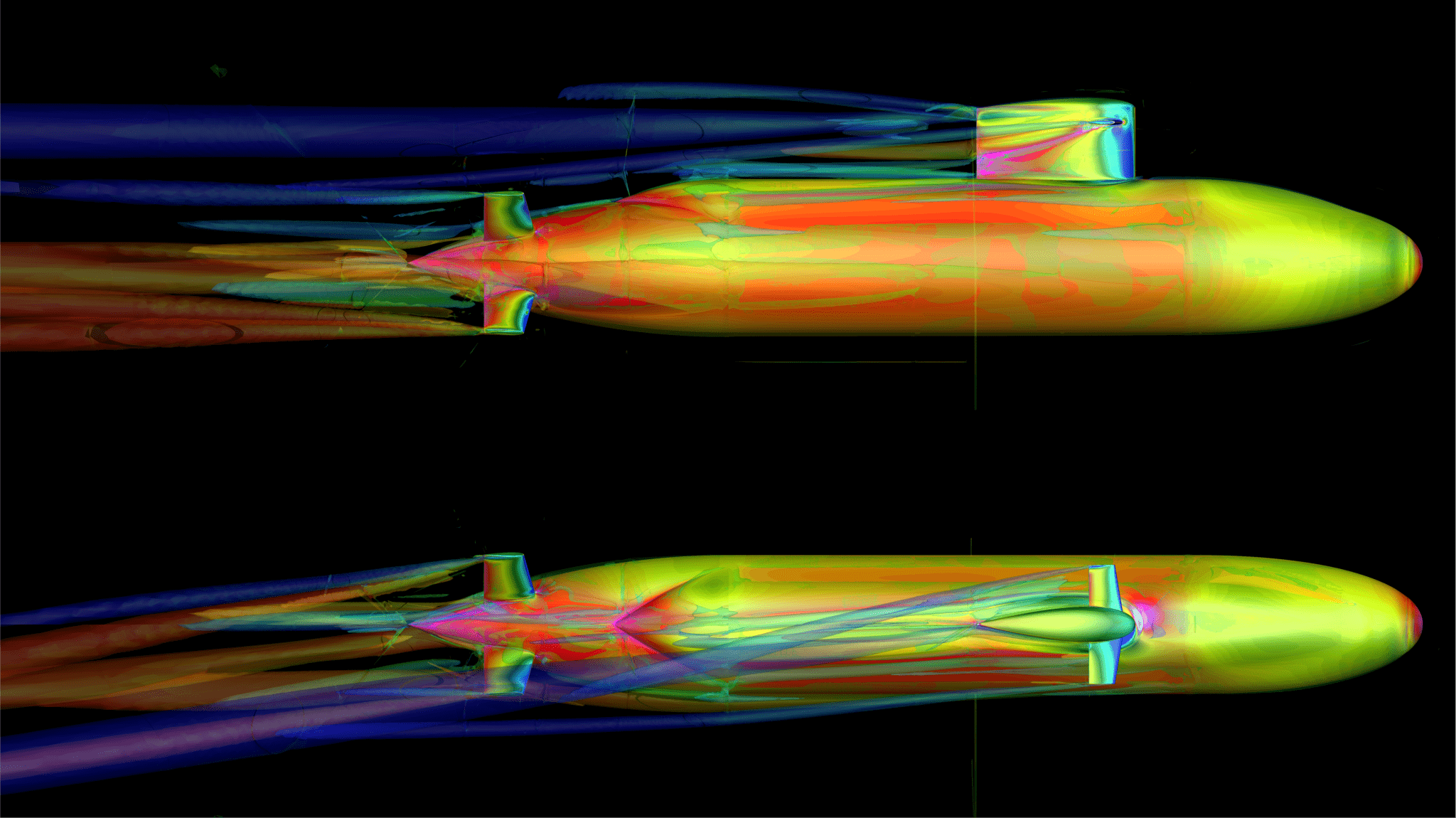
The European Defence Agency (EDA) is on a mission to make the next generation of autonomous underwater vehicles (AUVs) quieter, harder to detect, and less disruptive to marine life.
The initiative, called the Submarine Hull/Rudder/Propeller Hydrodynamics Interaction and Hydroacoustics (SPHYDA) program, is backed by 4.8 million euros ($5.2 million) and runs through late 2029.
At its core, the project will develop advanced numerical models and experimental methods to map how hulls, rudders, and propellers interact to generate acoustic signatures.
Read the full story on NextGen Defense: Europe Builds Tools to ‘Stealthify’ Future Underwater Drones