The US Department of Defense has announced a new strategic focus for its research and development efforts, concentrating resources on six Critical Technology Areas deemed most important for current and future military operations.
The areas include artificial intelligence applications and biomanufacturing, which uses engineered microorganisms to produce critical materials domestically for the US military.
Moreover, it focuses on contested logistics technologies that support the movement and resupply of military forces in environments where adversaries may disrupt supply lines, leveraging predictive logistics and autonomous delivery systems.
The plan also incorporates quantum and battlefield information dominance, aimed at ensuring resilient communications, advanced sensing, and navigation in degraded or contested conditions.
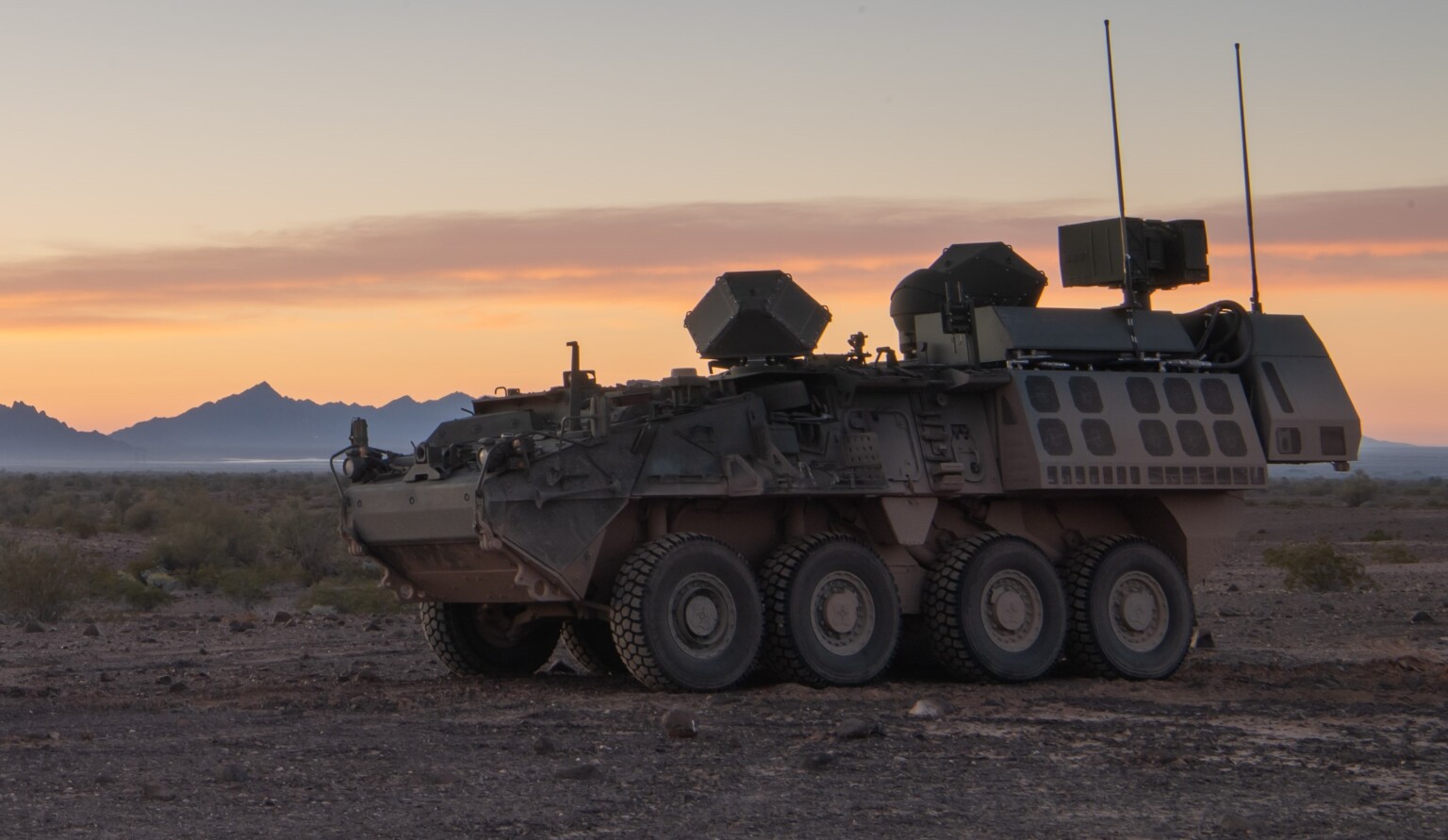
The department is also prioritizing directed-energy systems to expand the deployment of high-energy lasers and high-power microwave weapons with fast, cost-effective response options.
In addition, the measure includes scaled hypersonics, focusing on boosting production, reducing costs, and expanding the availability of hypersonic strike weapons across the military.
Emil Michael, the Under Secretary of Defense for Research and Engineering, described the six areas as central to delivering actionable results to military forces.
Secretary of Defense Pete Hegseth stated that these technology areas are intended to ensure US forces maintain operational advantage and are equipped with the most advanced tools available.
Advancing Innovation
Washington has moved to update military equipment by aligning innovation priorities with operational needs, including through programs led by the Defense Innovation Unit (DIU).
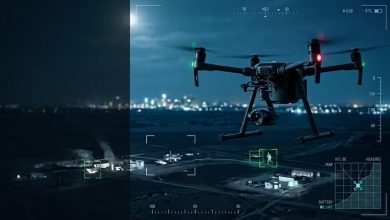
In July, DIU selected 10 finalists in its Counter–small Unmanned Aircraft System Low-Cost Sensing challenge, launched in May.
The initiative is coordinated with US Northern Command, Army, Navy, Marine Corps, and Indo-Pacific Command.
The selected systems employ a variety of sensors and aim to meet critical detection requirements while potentially cutting total ownership costs by 50 to 80 percent compared to existing solutions.
Earlier this year, the US unveiled 18 domestically built drone prototypes designed for rapid deployment, developed in collaboration with industry.
The systems, largely built from commercial off-the-shelf components, moved from concept to prototype in just 18 months.